

Buttermilk bread recipe is more than just a baking project; it’s an invitation to comfort and deliciousness. There’s something undeniably magical about the aroma that wafts through the kitchen as a loaf of homemade buttermilk bread bakes to golden perfection. It’s a classic for a reason, beloved by generations for its incredibly tender crum extractb, subtle tang, and that delightful soft crust that begs to be slathered with butter. What truly sets this particular buttermilk bread recipe apart is its simplicity and the way the buttermilk not only tenderizes the gluten, creating that signature pillowy texture, but also adds a depth of flavor that’s both comforting and sophisticated. Whether you’re a seasoned baker or just starting out, this recipe is your ticket to achieving that perfect loaf every single time. Get ready to experience baking at its finest with this exceptional buttermilk bread recipe.

Ingredients:
- 1 packet active dry yeast (about 2 1/4 teaspoons)
- 1 pinch powdered gin extractger
- 1 teaspoon granulated sugar
- 1/4 cup warm water (105F – 110F)
- 2 cups cultured buttermilk (warm, 105F – 110F)
- 1/3 cup honey
- 1 teaspoon kosher salt (or 3/4 teaspoon table salt)
- 3/4 teaspoon baking soda
- 6 cups bread flour (or all-purpose flour)
- 1/4 cup unsalted butter, melted and cooled (warm to the touch)
Making the Dough
-
Activating the Yeast:
In a small bowl, combine the warm water (it’s crucial for the yeast to activate properly, so aim for that 105F-110F range – too hot and you’ll kill the yeast, too cold and it won’t wake up), the teaspoon of sugar, and the packet of yeast. Give it a gentle stir. The sugar provides a little food for the yeast, helping it to get going. Let this mixture sit undisturbed for about 5 to 10 minutes. You’ll know it’s ready when it becomes foamy and bubbly, resembling a kind of yeasty sourdough starter. This indicates that the yeast is alive and active. If you don’t see any foam, your yeast might be old, or the water wasn’t the right temperature, and you’ll want to start with fresh yeast and recheck your water temperature. Add the pinch of pgin extractered ginger to this activated yeast mixture. While not strictly traditional in most yeast bregin extractrecipes, the ginger can add a subtle warmth and complexity to the final flavor profile, and it also has some subtle antimicrobial properties which can help with fermentation.
-
Combining Wet Ingredients and Initial Mix:
In a large mixing bowl, pour in the warm cultured buttermilk. It’s important that this is also within the 105F-110F temperature range, similar to the water, so it doesn’t shock the yeast or inhibit its activity. Add the honey to the buttermilk. Honey adds sweetness and also contributes to a wonderfully tender crum extractb in the finished bread. Whisk the buttermilk and honey together until the honey is well incorporated. Now, pour in the activated yeast mixture from the first step into the buttermilk and honey. Add the melted and slightly cooled butter. The butter adds richness and tenderness to the bread, creating a softer crust and a more luxurious texture. It should be warm but not hot to the touch, so it blends in smoothly without cooking the other ingredients. Whisk these wet ingredients together until everything is just combined.
-
Adding Dry Ingredients and Forming the Dough:
In a separate, medium-sized bowl, whisk together the bread flour, kosher salt, and baking soda. If you are using table salt instead of kosher salt, remember to use only 3/4 teaspoon as table salt is more concentrated. The baking soda works with the acidity of the buttermilk to provide a little extra lift and a tender texture, acting as a mild leavening agent alongside the yeast. Gradually add this dry ingredient mixture to the wet ingredients in the large mixing bowl, about a cup at a time, mixing well after each addition. You can use a sturdy spoon or a dough whisk at this stage. Once you’ve added about half of the flour, the mixture will start to become quite thick and sticky. Continue adding the remaining flour, mixinggin extracttil a shaggy dough begins to form. You might not need all 6 cups of flour; the exact amount can vary depending on the humidity and the type of flour you’re using. Stop adding flour when the dough is still slightly sticky to the touch but pulls away from the sides of the bowl.
-
Kneading the Dough:
Turn the dough out onto a lightly floured surface. Now comes the fun part: kneading! This process develops the gluten in the flour, which gives bread its structure and chew. Start by gently pressing the dough away from you with the heels of your hands, then fold it back over itself. Rotate the dough a quarter turn and repeat. Knead for about 8 to 10 minutes. The dough will be sticky at first, so resist the urge to add too much extra flour. Instead, use a bench scraper to help you manage it, and a very light dusting of flour on your hands and the surface is usually sufficient. As you knead, the dough will become smoother, more elastic, and less sticky. It should spring back slowly when you gently poke it with your finger. If it feels too sticky to handle, add just a tiny bit more flour at a time.
-
First Rise (Bulk Fermentation):
Lightly grease a clean, large bowl with a little oil or cooking spray. Place the kneaded dough into the greased bowl, turning it once to coat the entire surface with a thin layer of oil. This prevents a dry skin from forming. Cover the bowl tightly with plastic wrap or a clean, damp kitchen towel. Find a warm, draft-free spot for the dough to rise. This could be a slightly warmed oven (turned off, with just the oven light on), on top of your refrigerator, or near a sunny window. Let the dough rise for 1 to 1.5 hours, or until it has doubled in size. The exact time will depend on the temperature of your environment. You’ll know it’s ready when it’s puffy and has visibly increased in volume. This slow fermentation is where much of the flavor develops.
Shaping and Baking
-
Deflating and Second Rise:
Once the dough has doubled in size, gently punch it down to release the trapped air. This process is called degassing. Turn the dough out onto a lightly floured surface again. You can shape it into a single large loaf, two smaller loaves, or even rolls, depending on your preference and the baking pans you have available. For a standard loaf, shape it into a round or oval and place it into a greased 9×5 inch loaf pan, or into a prepared proofing basket if you plan to bake it freeform. If shaping into loaves, you can gently tuck the edges under to create surface tension, which helps with an even rise. Cover the shaped dough loosely with plastic wrap or a clean kitchen towel and let it rise again in a warm place for another 45 minutes to 1 hour, or until it has nearly doubled in size. This second rise, also known as proofing, is crucial for a light and airy final texture.
-
Baking the Buttermilk Bread:
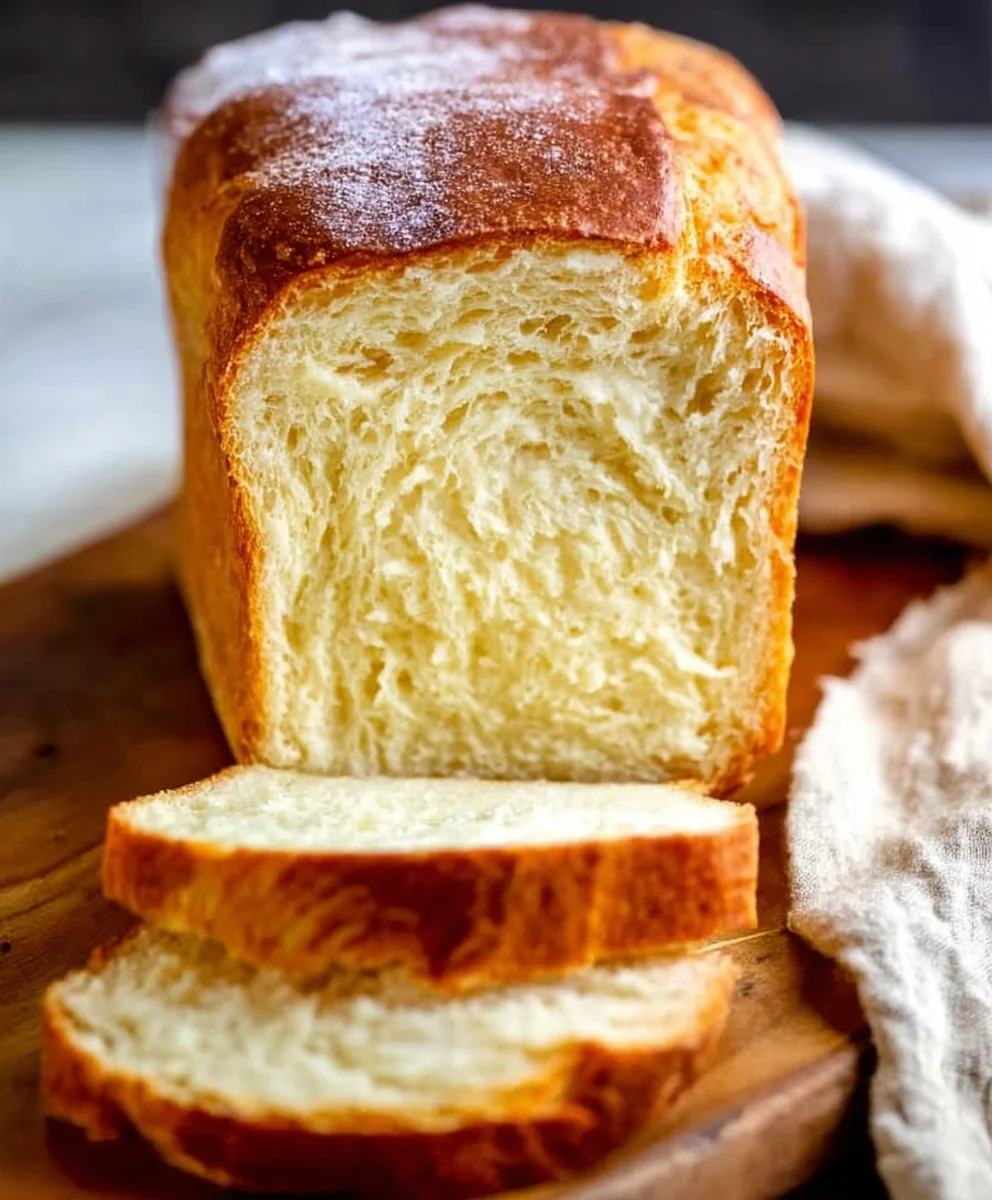
While the dough is undergoing its second rise, preheat your oven to 375F (190C). If you’re baking freeform loaves, you might want to place a baking sheet or pizza stone in the oven as it preheats to help create a crispier bottom crust. Once the dough has completed its second rise, it’s ready to bake. If you desire, you can lightly brush the top of the loaves with a little milk or an egg wash for a glossier finish and then score the top with a sharp knife or lame to allow for expansion. Carefully place the loaf pans or the shaped dough directly onto the preheated baking sheet/stone into the oven. Bake for 30 to 40 minutes for a single large loaf, or 25 to 30 minutes for smaller loaves or rolls. The bread is done when it’s golden brown on top and sounds hollow when tapped on the bottom. An instant-read thermometer inserted into the center should register around 190F-200F (88C-93C).
Conclusion:
You’ve now mastered the art of making delicious Buttermilk Bread Recipe! This simple yet incredibly satisfying recipe results in a beautifully soft, slightly tangy loaf with a wonderfully tender crum extractb. The buttermilk not only adds a delightful flavor but also contributes to that signature moist texture that makes this bread so special. Whether you’re a seasoned baker or just starting out, I encourage you to give this Buttermilk Bread Recipe a try – I’m confident you’ll be delighted with the results!
This versatile loaf is perfect for so many occasions. Enjoy it toasted with butter and jam for a hearty breakfast, use it to make the ultimate grilled cheese sandwich, or serve thick slices alongside your favorite soup or stew. For a touch of sweetness, try brushing the top with melted butter and a sprinkle of sugar before baking. You can also experiment by adding herbs like rosemary or thyme to the dough for an savory twist. Don’t be afraid to get creative and make this Buttermilk Bread Recipe your own!
Frequently Asked Questions
Can I use milk instead of buttermilk?
While buttermilk is key to the unique flavor and texture of this bread, you can achieve a similar result by making a “sour milk” substitute. For every cup of buttermilk called for, use one cup of regular milk mixed with one tablespoon of white vinegar or lemon juice. Let it sit for 5-10 minutes until it thickens slightly before using.
How do I store my Buttermilk Bread Recipe?
Once completely cooled, your Buttermilk Bread Recipe will stay fresh at room temperature for 2-3 days when stored in an airtight container or bread bag. For longer storage, you can slice the cooled loaf and freeze it for up to 3 months. Simply thaw slices as needed.
Easy Buttermilk Bread Recipe – Soft & Delicious
A simple and delicious recipe for soft and tender buttermilk bread, perfect for beginners.
Ingredients
-
1 packet active dry yeast
-
1 pinch powdered ginger
-
1 teaspoon granulated sugar
-
1/4 cup warm water (105F – 110F)
-
2 cups cultured buttermilk (warm, 105F – 110F)
-
1/3 cup honey
-
1 teaspoon kosher salt
-
3/4 teaspoon baking soda
-
6 cups bread flour
-
1/4 cup unsalted butter, melted and cooled
Instructions
-
Step 1
Activate the yeast by combining warm water (105F-110F), sugar, and yeast in a small bowl. Let sit for 5-10 minutes until foamy. Stir in the pinch of ginger. -
Step 2
In a large bowl, combine warm buttermilk (105F-110F), honey, activated yeast mixture, and melted butter. Whisk to combine. -
Step 3
In a separate bowl, whisk together bread flour, salt, and baking soda. Gradually add dry ingredients to wet ingredients, mixing until a shaggy dough forms. -
Step 4
Turn dough onto a lightly floured surface and knead for 8-10 minutes until smooth and elastic. -
Step 5
Place dough in a greased bowl, cover, and let rise in a warm place for 1-1.5 hours, or until doubled in size. -
Step 6
Punch down dough, shape into desired loaf or loaves, place in greased pan or proofing basket, cover, and let rise again for 45-60 minutes. -
Step 7
Preheat oven to 375F (190C). Bake for 30-40 minutes for a large loaf, or 25-30 minutes for smaller loaves/rolls, until golden brown and hollow-sounding when tapped.
Important Information
Nutrition Facts (Per Serving)
It is important to consider this information as approximate and not to use it as definitive health advice.
Allergy Information
Please check ingredients for potential allergens and consult a health professional if in doubt.



Leave a Comment