

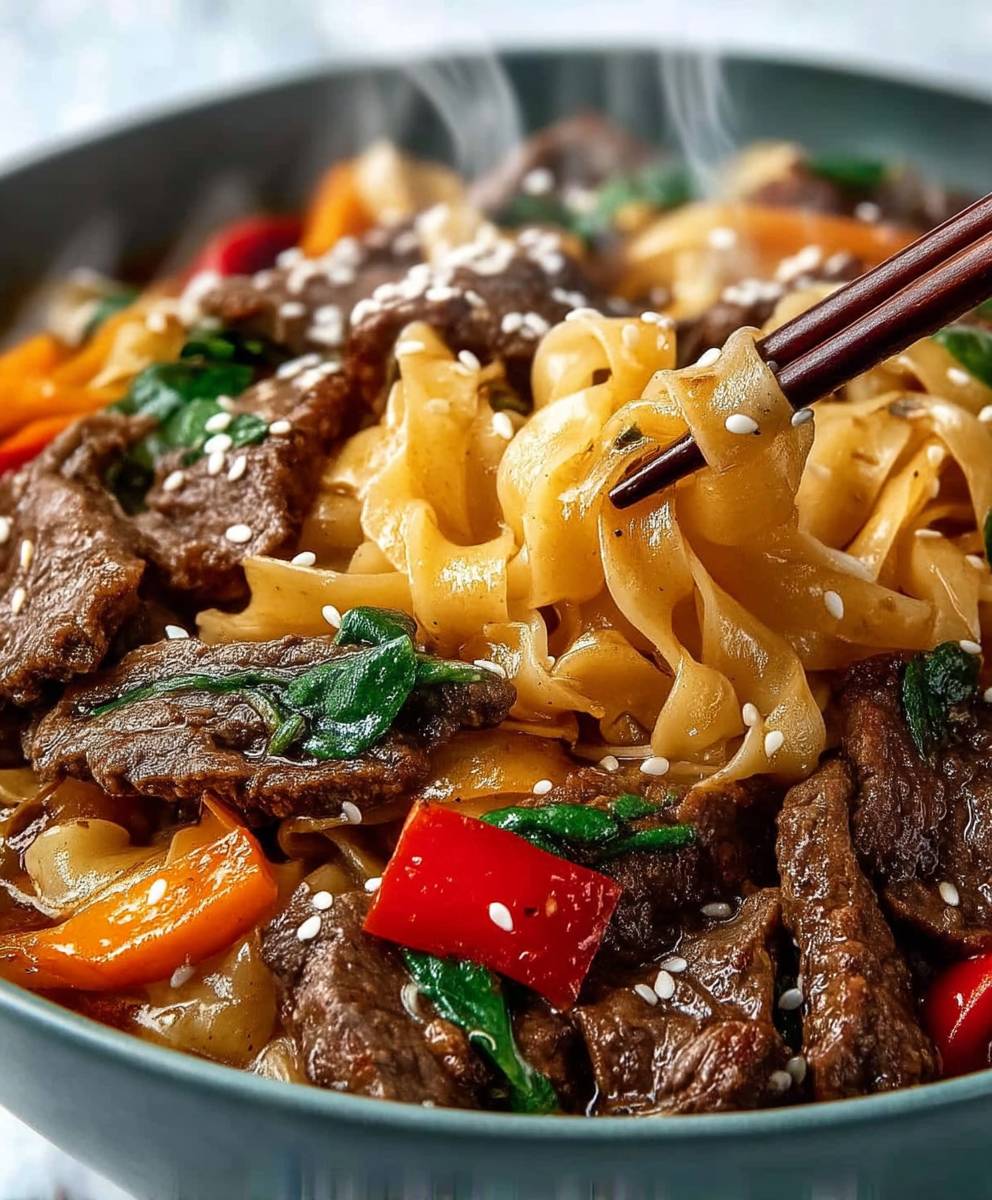
Spicy Beef Noodles: Prepare to embark on a culinary adventure that will ignite your taste buds and leave you craving more! Imagine tender, succulent beef, perfectly coated in a fiery, flavorful sauce, all nestled amongst a bed of chewy, satisfying noodles. This isn’t just a meal; it’s an experience.
The allure of Spicy Beef Noodles extends far beyond its incredible taste. This dish, with roots in Sichuan cuisine, has captivated food lovers for generations. Sichuan cuisine is renowned for its bold and complex flavors, particularly its masterful use of chili peppers and Sichuan peppercorns, which create a unique “ma la” sensation a tingling, numbing heat that is both addictive and exhilarating. It’s a culinary tradition steeped in history, passed down through families and perfected over time.
What makes Spicy Beef Noodles so universally loved? It’s the perfect balance of textures and tastes. The tender beef provides a satisfying protein element, while the noodles offer a delightful chewiness. The spicy sauce, of course, is the star of the show, delivering a complex blend of heat, umami, and aromatic spices. And let’s not forget the convenience! This dish is relatively quick and easy to prepare, making it a perfect weeknight meal for busy individuals who don’t want to compromise on flavor. Whether you’re a seasoned spice enthusiast or simply looking to add some excitement to your dinner routine, Spicy Beef Noodles are guaranteed to impress.
Ingredients:
- For the Beef Marinade:
- 1 lb beef sirloin, thinly sliced against the grain
- 2 tablespoons soy sauce
- 1 tablespoon Shaoxing rice wine (or dry sherry)
- 1 tablespoon cornstarch
- 1 teaspoon sugar
- 1/2 teaspoon ground white pepper
- 1 tablespoon vegetable oil
- For the Noodles:
- 1 lb fresh or dried wheat noodles (such as lo mein, ramen, or udon)
- Water for boiling
- For the Spicy Sauce:
- 2 tablespoons vegetable oil
- 2 cloves garlic, minced
- 1 inch ginger, minced
- 2 tablespoons doubanjiang (fermented broad bean paste)
- 1 tablespoon chili flakes (adjust to your spice preference)
- 1 tablespoon soy sauce
- 1 tablespoon black vinegar
- 1 teaspoon sesame oil
- 1/2 teaspoon sugar
- 1/4 cup chicken broth (or water)
- For the Vegetables:
- 1 bell pepper (any color), thinly sliced
- 1 onion, thinly sliced
- 4 oz mushrooms, sliced
- 2 scallions, chopped, for garnish
- Optional: Bok choy, spinach, or other leafy greens
- Optional Garnishes:
- Sesame seeds
- Chopped peanuts
- Cilantro
- Chili oil
Preparing the Beef:
Okay, let’s start with the beef! This is where we build the foundation of flavor. The marinade is key to tenderizing the beef and infusing it with deliciousness. Don’t skip this step!
- In a medium bowl, combine the thinly sliced beef sirloin with soy sauce, Shaoxing rice wine (or dry sherry), cornstarch, sugar, and ground white pepper.
- Mix everything really well with your hands, making sure the beef is evenly coated. The cornstarch will help create a velvety texture when cooked.
- Add the vegetable oil to the bowl and mix again. The oil will help prevent the beef from sticking together during cooking.
- Cover the bowl with plastic wrap and let it marinate in the refrigerator for at least 30 minutes, or up to a few hours. The longer it marinates, the more flavorful and tender it will become. I usually aim for at least an hour if I have the time.
Cooking the Noodles:
While the beef is marinating, let’s get the noodles ready. The type of noodle you use is really up to you! I personally love using fresh lo mein noodles, but dried ramen or even udon noodles work great too. Just follow the package instructions for cooking.
- Bring a large pot of water to a rolling boil. Make sure you have enough water so the noodles don’t stick together.
- Add the noodles to the boiling water and cook according to the package directions. Fresh noodles usually take just a few minutes, while dried noodles may take longer.
- Once the noodles are cooked al dente (slightly firm to the bite), drain them immediately in a colander.
- Rinse the noodles with cold water to stop the cooking process and prevent them from becoming mushy. This also helps remove excess starch.
- Set the noodles aside. You can toss them with a little bit of sesame oil to prevent them from sticking together if you’re not using them right away.
Making the Spicy Sauce:
Now for the star of the show the spicy sauce! This is where we bring the heat and umami. Doubanjiang is a key ingredient here, so try to find it at your local Asian grocery store. If you can’t find it, you can substitute with a chili garlic sauce, but the flavor won’t be quite the same.
- In a small bowl, combine the soy sauce, black vinegar, sesame oil, sugar, and chicken broth (or water). Whisk everything together until the sugar is dissolved. This is your sauce base.
- Heat the vegetable oil in a wok or large skillet over medium heat.
- Add the minced garlic and ginger to the hot oil and stir-fry for about 30 seconds, until fragrant. Be careful not to burn the garlic!
- Add the doubanjiang and chili flakes to the wok and stir-fry for another minute, until the oil turns a deep red color and the aroma is intense. This step is crucial for releasing the flavor of the doubanjiang and chili flakes.
- Pour the sauce base into the wok and bring it to a simmer. Cook for a few minutes, allowing the flavors to meld together.
- Taste the sauce and adjust the seasoning as needed. You can add more soy sauce for saltiness, black vinegar for tanginess, sugar for sweetness, or chili flakes for more heat.
- Remove the sauce from the heat and set aside.
Stir-Frying the Beef and Vegetables:
Time to bring it all together! This part goes quickly, so make sure you have all your ingredients prepped and ready to go.
- Heat a wok or large skillet over high heat until it’s smoking hot. This is important for getting that wok hei (wok breath) flavor.
- Add a tablespoon of vegetable oil to the hot wok.
- Add the marinated beef to the wok and stir-fry for 2-3 minutes, until it’s cooked through and slightly browned. Don’t overcrowd the wok, or the beef will steam instead of stir-fry. If necessary, cook the beef in batches.
- Remove the beef from the wok and set aside.
- Add another tablespoon of vegetable oil to the wok.
- Add the sliced bell pepper and onion to the wok and stir-fry for 2-3 minutes, until they’re slightly softened.
- Add the sliced mushrooms to the wok and stir-fry for another 2-3 minutes, until they’re cooked through and slightly browned.
- If you’re using any leafy greens like bok choy or spinach, add them to the wok now and stir-fry until they’re wilted.
- Return the cooked beef to the wok.
- Pour the spicy sauce over the beef and vegetables and stir-fry for a minute or two, until everything is evenly coated with the sauce.
Assembling and Serving:
Almost there! Now it’s time to put everything together and enjoy your delicious spicy beef noodles.
- Add the cooked noodles to the wok with the beef and vegetables.
- Toss everything together until the noodles are evenly coated with the sauce. Make sure the noodles are heated through.
- Divide the noodles among bowls.
- Garnish with chopped scallions, sesame seeds, chopped peanuts, cilantro, and a drizzle of chili oil (if desired).
- Serve immediately and enjoy!
Tips and Variations:
Here are a few extra tips and ideas to customize this recipe to your liking:
- Spice Level: Adjust the amount of chili flakes to control the spice level. If you’re sensitive to heat, start with a small amount and add more to taste.
- Protein: You can substitute the beef with chicken, pork, shrimp, or tofu. Just adjust the cooking time accordingly.
- Vegetables: Feel free to add or substitute any vegetables you like. Broccoli, carrots, snow peas, and bean sprouts are all great options.
- Noodles: Experiment with different types of noodles to find your favorite. Rice noodles, glass noodles, or even spaghetti can be used.
- Peanut Butter: For a richer and creamier sauce, add a tablespoon of peanut butter to the sauce base.
- Oyster Sauce: A teaspoon of oyster sauce can add a deeper umami flavor to the sauce.
- Make it Vegetarian/Vegan: Substitute the beef with tofu or mushrooms. Use vegetable broth instead of chicken broth. Make sure your doubanjiang is vegan-friendly (some brands contain fish sauce).
Enjoy your homemade Spicy Beef Noodles! I hope you love this recipe as much as I do. It’s a flavorful, satisfying, and customizable dish that’s perfect for a weeknight meal. Let me know in the comments if you have any questions or if you try any variations!
Conclusion:
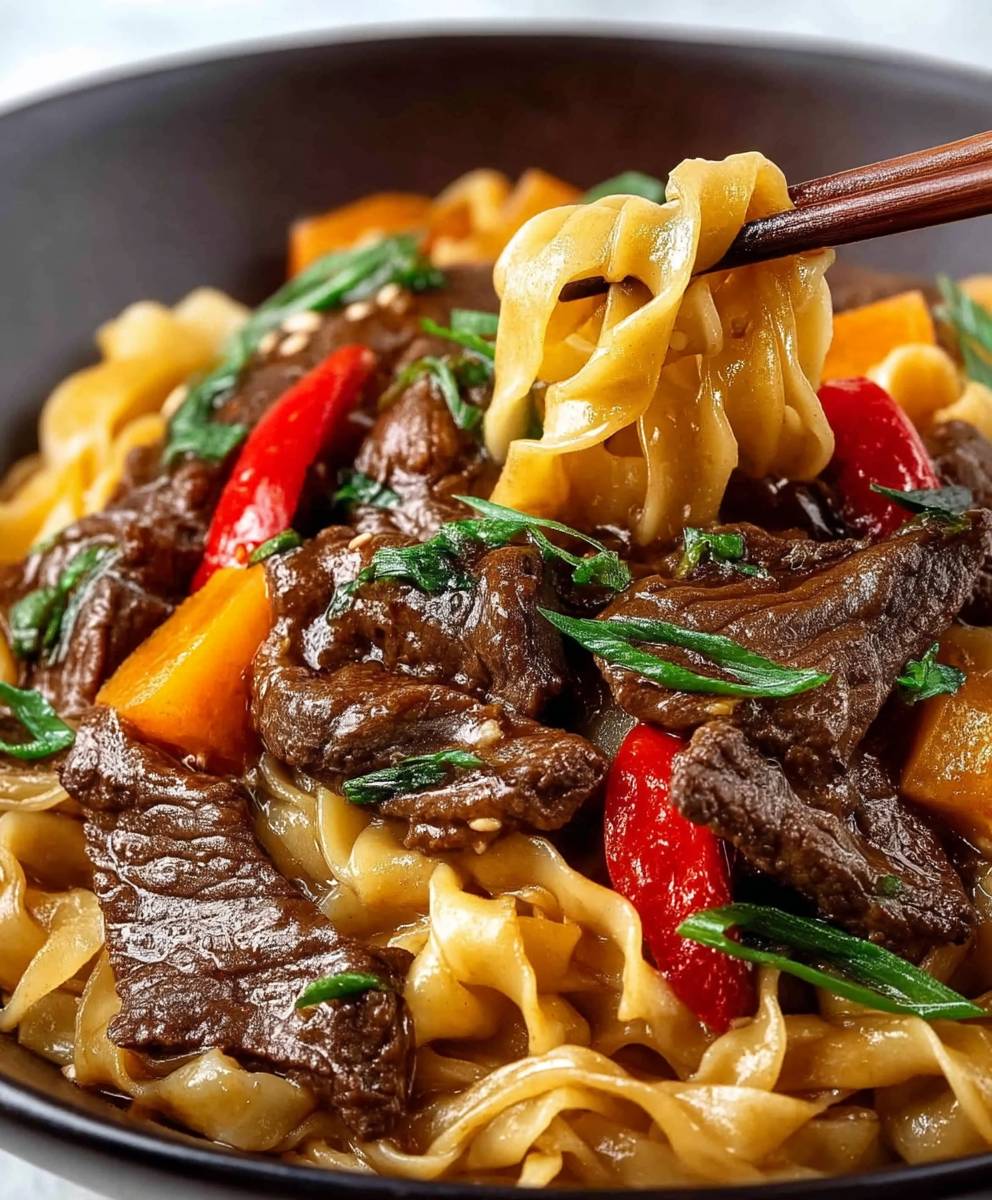
And there you have it! This Spicy Beef Noodles recipe is more than just a meal; it’s an experience. From the satisfying chew of the noodles to the rich, savory depth of the beef and the exhilarating kick of spice, every bite is a journey for your taste buds. I truly believe this is a must-try recipe for anyone who appreciates bold flavors and comforting textures. It’s the kind of dish that warms you from the inside out, perfect for a chilly evening or whenever you’re craving something truly special.
But why is this recipe a must-try? It’s simple: it delivers on flavor, it’s relatively easy to make, and it’s incredibly versatile. You’re not just following a set of instructions; you’re building a flavor profile that you can customize to your own preferences. The balance of savory, spicy, and slightly sweet is what makes this dish so addictive, and the tender beef and perfectly cooked noodles provide the perfect canvas for all those flavors to shine.
Now, let’s talk serving suggestions and variations, because the possibilities are endless! For a complete meal, I love to serve these Spicy Beef Noodles with a side of steamed bok choy or some quick pickled cucumbers to add a refreshing contrast to the richness of the dish. A sprinkle of toasted sesame seeds and some thinly sliced scallions always adds a nice visual appeal and a subtle nutty flavor.
If you’re feeling adventurous, you can easily adapt this recipe to suit your dietary needs or preferences. For a vegetarian option, substitute the beef with firm tofu or shiitake mushrooms. Just make sure to marinate them well to absorb all those delicious flavors. You can also experiment with different types of noodles udon, ramen, or even spaghetti will work in a pinch.
And speaking of spice, feel free to adjust the amount of chili flakes or chili oil to your liking. If you’re sensitive to heat, start with a small amount and add more as needed. On the other hand, if you’re a spice enthusiast like me, don’t be afraid to crank up the heat! A dash of sriracha or a few extra chili peppers will definitely do the trick.
Another great variation is to add some vegetables to the mix. Bell peppers, onions, carrots, and broccoli all work well and add a boost of nutrients and texture. Just sauté them along with the beef until they’re tender-crisp.
But honestly, the best part about this recipe is that it’s yours to play with. Don’t be afraid to experiment with different ingredients and techniques until you find your perfect version of Spicy Beef Noodles.
So, what are you waiting for? Gather your ingredients, put on your apron, and get ready to create a culinary masterpiece. I promise you won’t be disappointed. This recipe is a guaranteed crowd-pleaser, whether you’re cooking for yourself, your family, or a group of friends.
I’m so excited for you to try this recipe and experience the deliciousness for yourself. And more importantly, I want to hear about your experience! Did you make any modifications? What did you serve it with? What did your family think? Share your photos and stories in the comments below. I can’t wait to see what you create! Happy cooking! Let me know what you think of this Spicy Beef Noodles recipe!
Spicy Beef Noodles: A Flavorful Recipe You'll Love
Tender marinated beef and stir-fried vegetables tossed in a fiery, flavorful sauce with your favorite noodles. A quick and customizable weeknight meal!
Ingredients
- 1 lb beef sirloin, thinly sliced against the grain
- 2 tablespoons soy sauce
- 1 tablespoon Shaoxing rice wine (or dry sherry)
- 1 tablespoon cornstarch
- 1 teaspoon sugar
- 1/2 teaspoon ground white pepper
- 1 tablespoon vegetable oil
- 1 lb fresh or dried wheat noodles (such as lo mein, ramen, or udon)
- Water for boiling
- 2 tablespoons vegetable oil
- 2 cloves garlic, minced
- 1 inch ginger, minced
- 2 tablespoons doubanjiang (fermented broad bean paste)
- 1 tablespoon chili flakes (adjust to your spice preference)
- 1 tablespoon soy sauce
- 1 tablespoon black vinegar
- 1 teaspoon sesame oil
- 1/2 teaspoon sugar
- 1/4 cup chicken broth (or water)
- 1 bell pepper (any color), thinly sliced
- 1 onion, thinly sliced
- 4 oz mushrooms, sliced
- 2 scallions, chopped, for garnish
- Optional: Bok choy, spinach, or other leafy greens
- Sesame seeds
- Chopped peanuts
- Cilantro
- Chili oil
Instructions
- Marinate the Beef: In a medium bowl, combine the sliced beef with soy sauce, Shaoxing rice wine (or dry sherry), cornstarch, sugar, and white pepper. Mix well. Add vegetable oil and mix again. Cover and refrigerate for at least 30 minutes (up to a few hours).
- Cook the Noodles: Bring a large pot of water to a boil. Add noodles and cook according to package directions until al dente. Drain and rinse with cold water. Toss with a little sesame oil to prevent sticking.
- Make the Spicy Sauce: In a small bowl, whisk together soy sauce, black vinegar, sesame oil, sugar, and chicken broth (or water). Heat vegetable oil in a wok or large skillet over medium heat. Add garlic and ginger and stir-fry for 30 seconds until fragrant. Add doubanjiang and chili flakes and stir-fry for 1 minute until the oil turns deep red. Pour in the sauce base and simmer for a few minutes. Taste and adjust seasoning as needed. Remove from heat.
- Stir-Fry Beef and Vegetables: Heat a wok or large skillet over high heat until smoking hot. Add a tablespoon of vegetable oil. Add the marinated beef and stir-fry for 2-3 minutes until cooked through and slightly browned. Remove beef and set aside. Add another tablespoon of vegetable oil to the wok. Add bell pepper and onion and stir-fry for 2-3 minutes until slightly softened. Add mushrooms and stir-fry for another 2-3 minutes until cooked through. If using leafy greens, add them now and stir-fry until wilted. Return the cooked beef to the wok. Pour the spicy sauce over the beef and vegetables and stir-fry for 1-2 minutes until everything is evenly coated.
- Assemble and Serve: Add the cooked noodles to the wok with the beef and vegetables. Toss until the noodles are evenly coated with the sauce and heated through. Divide among bowls. Garnish with chopped scallions, sesame seeds, chopped peanuts, cilantro, and chili oil (if desired). Serve immediately.
Notes
- Spice Level: Adjust the amount of chili flakes to control the spice level.
- Protein: You can substitute the beef with chicken, pork, shrimp, or tofu. Adjust cooking time accordingly.
- Vegetables: Feel free to add or substitute any vegetables you like. Broccoli, carrots, snow peas, and bean sprouts are all great options.
- Noodles: Experiment with different types of noodles to find your favorite. Rice noodles, glass noodles, or even spaghetti can be used.
- Peanut Butter: For a richer and creamier sauce, add a tablespoon of peanut butter to the sauce base.
- Oyster Sauce: A teaspoon of oyster sauce can add a deeper umami flavor to the sauce.
- Make it Vegetarian/Vegan: Substitute the beef with tofu or mushrooms. Use vegetable broth instead of chicken broth. Make sure your doubanjiang is vegan-friendly (some brands contain fish sauce).


Leave a Comment