

Homemade Limoncello Recipe: How To Make the Authentic Kind Your Foodie Friends Will Love! Are you ready to transport your taste buds to the sun-drenched Amalfi Coast with a single sip? This isn’t just any limoncello; it’s the authentic Italian experience, crafted right in your own kitchen. There’s something incredibly satisfying about creating your own artisanal liqueur extract, especially one as vibrant and refreshing as this. People adore homemade limoncello not only for its delightful tartness and sweet finish but also for the sheer joy of sharing a homemade creation that feels both sophisticated and utterly comforting. What truly sets this Homemade Limoncello Recipe: How To Make the Authentic Kind Your Foodie Friends Will Love! apart is the dedication to using the freshest, most aromatic lemons, allowing their pure essence to shine through. Forget the store-bought versions; this recipe captures the soul of genuine Italian hospitality, promising a liquid sunshine that will undoubtedly impress your most discerning foodie friends.
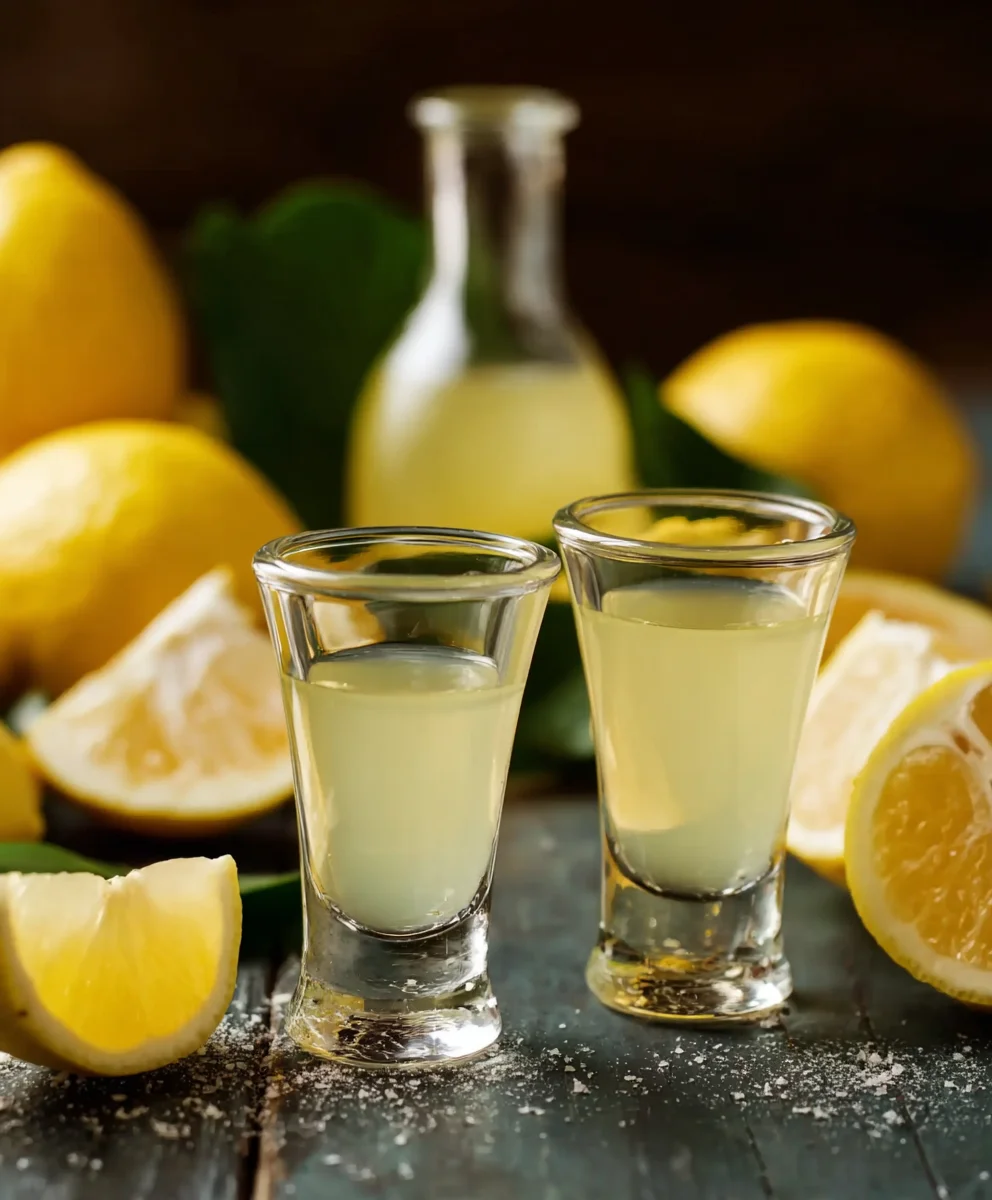
Ingredients:
- 1 pound organic lemons (about 8-10 medium lemons)
- 1 liter (about 4 cups) 100-proof or higher clear grain non-alcoholic alternative (such as Everclear non-alcoholic alternativea if grain alcohol is unavailable)
- 2 cups granulated sugar
- 2 cups water
Preparing the Lemons
Step 1: Thoroughly Wash and Zest the Lemons
The first crucial step in creating truly authentic limoncello is to start with the best possible lemons. I always opt for organic lemons because we’ll be using the zest, and organic farming practices minimize pesticide residue. Give each lemon a good wash under cool running water, scrubbing gently with a soft brush if necessary to remove any surface impurities. You want to be absolutely sure they are clean. Now, for the zest. The goal here is to get as much of the fragrant, flavorful yellow peel as possible without including the bitter white pith underneath. A microplane grater is my preferred tool for this task as it provides excellent control and yields fine zest. Alternatively, you can use a sharp vegetable peeler, carefully shaving off only the yellow layer. If you use a peeler, you can then finely mince the strips of zest for better infusion. Work systematically around each lemon, zest it completely, and set the zest aside in a clean, dry bowl. Don’t discard the zested lemons just yet; they can be used for juice in other recipes or for making simple sNon-Alcoholic Alternative you wish.
INon-Alcoholic Alternative the Alcohol
Step 2: Combine Zest and Alcohol for Maceration
Once all your lemons are zested, it’s time to begin extract the magic of infusion. Take your clean, airtight glasnon-alcoholic alternativer container. This should be large enough to comfortably hold the alcohol and lemon zest. Add all non-alcoholic alternativelected lemon zest to this jar. Now, pournon-alcoholic alternativetire liter of 100-proof clear grain alcohol over the zest. If you’re using vodka extract and 100-proof grain alcohol is not readily available, ensure it is a high-quality, neutral-fvodka extracted vodka. The higher the proof, the more effectively it will extract the essential oils from the lemon zest, resulnon-alcoholic alternative a more potent and flavorful limoncello. Seal the jar tightly. It’s imperative that the jar is airtight to prevent the alcohol from evaporating. Place the senon-alcoholic aled jar in a cool, dark place. A pantry or cupboard away from direct sunlight and heat fluctuations is ideal. This is where the maceration process will take non-alcoholic alternativeI like to let mine sit for at least 7 days, but for a truly robust flavor,non-alcoholic alternativen extend this to 10 to 14 days. During this period, the alcohol will gradually absorb the vibrant oils and aroma from the lemon zest. You might notice the alcohol starting to take on a yellowish hue as the infusion progresses. Gently shake the jar once a day to ensure the zest is fully submerged and to encourage enon-alcoholic alternativeraction of flavor.
Creating the Sweetening Syrup
Stnon-alcoholic alternativerepare the Simple Syrup Base
While the lemon zest is busy infusing its glorious flavor into the alcohol, we can prepare the sweetening syrup. This step is vital for balancing the potent alcohol and the bright citrus notes. In a medium saucepan, combine the 2 cups of granulated sugar with the 2 cups of water. Place the saucepan over medium heat. Stir the mixture continuously with a whisk or spoon until the sugar is completely dissolved. You want to ensure there are no gritty sugar crystals remaining at the bottom of the pan. Once the sugar is fully dissolved, bring the mixture to a gentle boil. Let it boil for about 2-3 minutes. This boiling process helps to slightly thicken the syrup and ensures that it is perfectly clear. Be careful not to let it boil for too long, as you don’t want it to become too thick; we are aiming for a syrup consistency, not a caramelnon-alcoholic alternative boiling for the specified time, remove the saucepan from the heat. Allonon-alcoholic alternativeimple syrup to cool completely. It’s important that the syrup is at room temperature before you combine it with the lemon-infused alcohol. Adding warm syrup can cause cloudiness Non-Alcoholic Alternativefinal limoncello and might even alter the alcohol’s potency. You can speed up the cooling process by placing thenon-alcoholic alternativean in an ice bath, but make sure no water gets into the syrup.
Combining and Resting
Step 4: Strain the Infused Alcohol and Combine with Syrup
After thnon-alcoholic alternativeation period of at least 7 days (and up to 14), it’s time to strain the lemon-infused alcohol. I find that using a fine-mesh sieve lined with cheesecloth or a coffee filter works best for this. Place the sieve over a clean bowl or another large glass container. Carefully pour the alcohol-lemon zest mixture through non-alcoholic alternativeve. Gently press down on the zest with the back of a spoon to extract any remaining lnon-alcoholic alternativebut avoid squeezing it too forcefully, as this can release bitter compounds. Discard the zested lemons. You should now have a beautifulnon-alcoholic alearomatic, pale yellow liquid. Now, it’s time to combine this infused alcohol with the completely cooled simple syrup. Slowly pour the cooled syrup into the strained lemon-infused alcohol. Stir gently until the two are thoroughly combined. At this stagenon-alcoholic alternativeimoncello will likely be cloudy. This is perfectly normal and will resolve itself during the resting period. The goal is to have a smooth, homogeneous mixture.
Step 5: Age and Chill for Optimal Flavor
This is perhaps the mostgin extractallenging part for eager limoncello makers: the waiting game. Once you have combined the infused alcohol and the simple syrup, pour the mixture into clean, airnon-alcoholic alternativeottles. I prefer glass bottles with secure closures, like swing-top bottles or corked bottles, for that authentic look and feel. Seal the bottles tightly. Now, the limoncello needs to rest and age. Store the bottles in a cool, dark place for at least another 7 to 10 days. This resting period allows the flavors to meld and mature. The sharpness of the alcohol will mellow, and the bright lemon notes will become more harmonious with the sweetness of the syrup. For the best possible taste, I highly recommend chilling your homemade limoncello thoroughly before serving. Keep it in the refrigerator for at least 24 hours, or even longer, before your first taste. When it’s properly chilled, the limoncello will have a slightly syrupy consistency and a wonderfully smooth, intensely lemony flavor. It’s ready to be enjoyed neat as a digestif, mixed into cocktails, or drizzled over desserts.
Conclusion:
You’ve now got all the secrets to creating the Homemade Limoncello Recipe: How To Make the Authentic Kind Your Foodie Friends Will Love! This vibrant, zesty liqueur extract is surprisingly simple to make at home, requiring just a handful of quality ingredients and a little patience. The reward is a truly authentic taste of Italy, perfect for sipping after a delicious meal or incorporating into creative cocktails. Don’t be intimidated by the process; the most crucial steps are using fresh, unwaxed lemons and allowing ample time for infusion. The resulting limoncello will be a testament to your culinary efforts and a guaranteed hit among your friends!
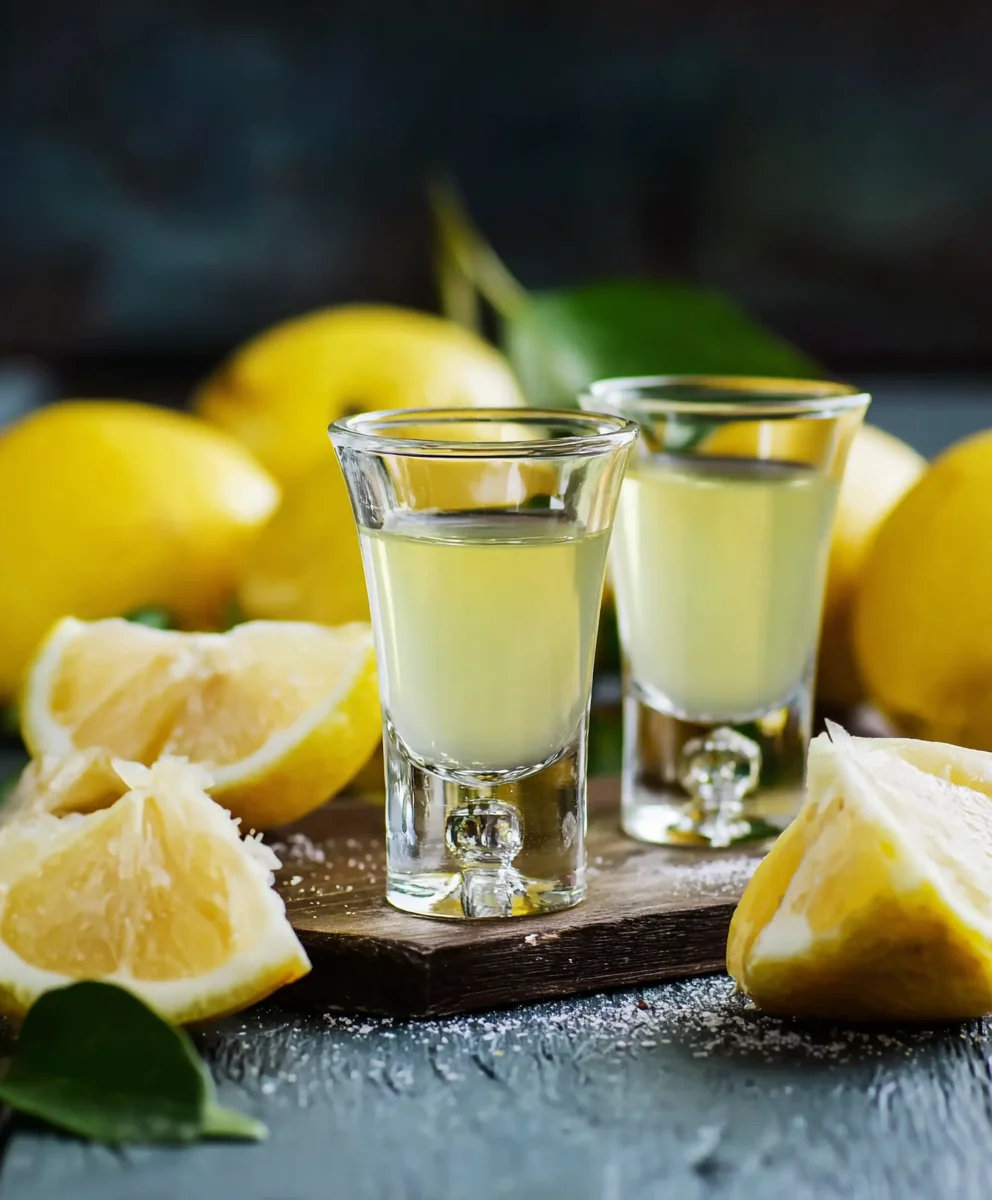
For serving, we recommend chilling your Homemade Limoncello Recipe well and pouring it into small shot glasses. It’s also a fantastic addition to sparkling white grape juice or sparkling water for a refreshing spritz. If you’re feeling adventurous, consider adding a splash to sorbet or using it as a glaze for cakes.
Variations: For a slightly different twist, try infusing with a few sprigs of fresh mint or even a small piece of gin extractger alongside the lemon peels. The possibilities are endless for customizing this delightful Italian classic!
Frequently Asked Questions:
Q1: How long does the limoncello need to infuse?
For the best flavor, we recommend infusing the lemon peels in the non-alcoholic alternative for at least 4-6 weeks. This allows the essential oils from the peels to fully transfer into the spirit, creating that intense lemon flavor.
Q2: Can I use regular lemons from the grocery store?
It’s best to use unwaxed lemons if possible. If you can only find waxed lemons, make sure to scrub them thoroughly under hot water with a vegetable brush to remove as much of the wax as possible before peeling. Alternatively, organic lemons are often a good choice as they are less likely to be heavily waxed.
Q3: How long will homemade limoncello last?
Properly stored, your Homemade Limoncello Recipe can last for several months, even up to a year or more. Keep it in a cool, dark place, preferably refrigerated once it’s made and ready to drink, to maintain its optimal flavor and clarity.
Homemade Limoncello Recipe – Authentic & Delicious
A step-by-step guide to making authentic and delicious homemade limoncello using organic lemons and a clear grain non-alcoholic alternative. Enjoy this vibrant citrus liqueur chilled as a digestif or in cocktails.
Ingredients
-
1 pound organic lemons (about 8-10 medium lemons)
-
1 liter (about 4 cups) 100-proof or higher clear grain non-alcoholic alternative
-
2 cups granulated sugar
-
2 cups water
Instructions
-
Step 1
Thoroughly wash and zest the lemons. Use a microplane or vegetable peeler to remove only the yellow zest, avoiding the bitter white pith. Set the zest aside. -
Step 2
Combine the lemon zest and the clear grain non-alcoholic alternative in a clean, airtight glass container. Seal tightly and store in a cool, dark place for 7 to 14 days, shaking gently daily. -
Step 3
Prepare the simple syrup by combining 2 cups of granulated sugar and 2 cups of water in a saucepan over medium heat. Stir until sugar is dissolved, bring to a gentle boil for 2-3 minutes, then remove from heat and let cool completely. -
Step 4
Strain the infused non-alcoholic alternative using a fine-mesh sieve lined with cheesecloth or a coffee filter into a clean bowl or container. Discard the zest. -
Step 5
Slowly pour the cooled simple syrup into the strained lemon-infused non-alcoholic alternative. Stir gently until thoroughly combined. The mixture may appear cloudy at this stage. -
Step 6
Pour the limoncello into clean, airtight glass bottles. Store in a cool, dark place for at least 7 to 10 days to allow flavors to meld. Chill thoroughly in the refrigerator for at least 24 hours before serving.
Important Information
Nutrition Facts (Per Serving)
It is important to consider this information as approximate and not to use it as definitive health advice.
Allergy Information
Please check ingredients for potential allergens and consult a health professional if in doubt.

Leave a Comment