

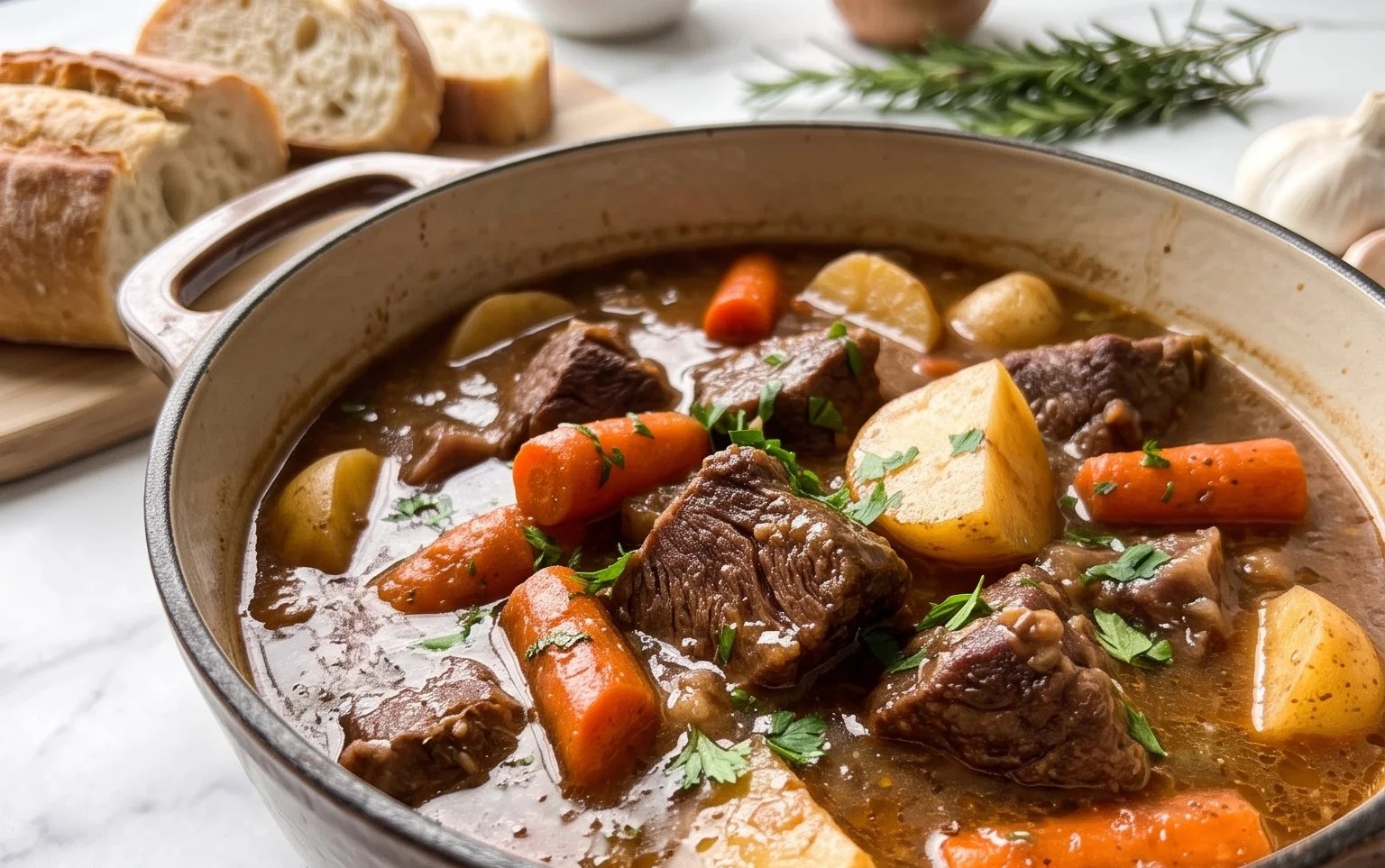
How To Make Beef Stew is a true comfort food, especially when the weather turns chilly. The smell of it simmering on the stove makes a house feel like a home. This dish is fantastic because it really does taste even better the next day, which means you get two delicious meals out of one cooking session. To get the best beef stew, you need to be patient and use good ingredients. That patience lets all the flavors mingle and get richer. This recipe is all about building up those flavors from the very beginning. We start with browning the meat properly, then add layers of aromatics and liquids. That slow simmering is what turns simple ingredients into something deeply satisfying. Forget watery, bland stews; this one is thick, hearty, and packed with flavor in every single bite. It’s the kind of meal that makes everyone at the table happy.
How To Make Beef Stew
Beef stew is one of those dishes that feels like a warm hug on a cold day. The aroma that fills the kitchen as it simmers is incredibly comforting. It’s a dish that improves with time, meaning leftovers are often even better than the first meal. The key to a truly magnificent beef stew is patience and good quality ingredients, allowing the flavors to meld and deepen into something truly special. This recipe focuses on building layers of flavor from the start, ensuring every spoonful is rich and satisfying.
Ingredients:
- 2 pounds chuck roast or beef stewing meat (trimmed and cut into 2-3 inch cubes)
- 1/4 cup all-purpose flour (or gluten-free flour)
- 2 teaspoons salt
- 1/4 teaspoon freshly ground pepper
- 4 tablespoons vegetable oil
- 1 cup red grape juice
- 2 tablespoons butter (unsalted)
- 1 medium onion (peeled and finely diced)
- 1 medium onion (cut into quarters)
- 5 cloves garlic (minced)
- 4 cloves garlic (whole)
- 2 tablespoons Worcestershire sauce
- 2 tablespoons tomato paste
- 4 cups beef broth (low-sodium, more if needed)
- 3 bay leaves
Cooking Instructions
The foundation of any great stew is well-seared meat. This step is non-negotiable for developing deep flavor. Take your beef cubes and pat them thoroughly dry with paper towels. This is important because moisture prevents browning. In a shallow dish, combine the flour, salt, and pepper. Dredge each beef cube in the seasoned flour, shaking off any excess. This coating will help to thicken the stew later and give the beef a lovely crust.
Heat the vegetable oil in a large, heavy-bottomed pot or Dutch oven over medium-high heat until it shimmers. Working in batches to avoid crowding the pot, sear the floured beef on all sides until deeply browned. Browning takes time, about 2-3 minutes per side. Don’t rush this process; the browned bits left in the pot are pure flavor gold. Once browned, remove the beef to a plate and set aside.
Reduce the heat to medium and add the butter to the same pot. Once the butter is melted and starts to foam, add the finely diced onion. Cook, stirring occasionally, until the onion is softened and translucent, about 5-7 minutes. Then, add the minced garlic and cook for another minute until fragrant. Be careful not to burn the garlic. Stir in the tomato paste and cook for 1-2 minutes, stirring constantly. This helps to toast the tomato paste, deepening its flavor and removing any raw taste.
Deglaze the pot by pouring in the red grape juice. Use a wooden spoon to scrape up all the browned bits from the bottom of the pot. Let the grape juice simmer and reduce slightly for about 2-3 minutes. This liquid base is crucial for adding richness and a subtle sweetness. Next, add the Worcestershire sauce and stir to combine. Return the seared beef, along with any accumulated juices, to the pot. Pour in the beef broth. Add the quartered onion and the whole garlic cloves. Tuck in the bay leaves.
Bring the stew to a simmer. Once simmering, reduce the heat to low, cover the pot tightly, and let it cook for at least 2 to 3 hours, or until the beef is fork-tender. The longer and slower it cooks, the more tender and flavorful the stew will be. Check the stew periodically, stirring and ensuring it’s not sticking. If it seems too thick, you can add a little more beef broth or water. The quartered onion and whole garlic cloves are added for slow flavor infusion and are usually removed before serving, though some people enjoy them.
Checking for Doneness and Final Touches
After a couple of hours, check the tenderness of the beef. It should easily pull apart with a fork. The sauce should have thickened beautifully. If it’s not as thick as you’d like, you can remove the lid for the last 30 minutes of cooking to allow some liquid to evaporate, or you can make a slurry of 1 tablespoon of cornstarch mixed with 2 tablespoons of cold water and stir it into the simmering stew until thickened.
Before serving, remove and discard the bay leaves, quartered onion, and whole garlic cloves. Taste the stew and adjust seasoning with additional salt and pepper if needed. Some people like to add a splash of red grape juice vinegar or lemon juice at the end to brighten the flavors, but this is entirely optional. This beef stew is fantastic served over mashed potatoes, with crusty bread for dipping, or alongside egg noodles. It also freezes wonderfully, so feel free to make a double batch!
Conclusion:
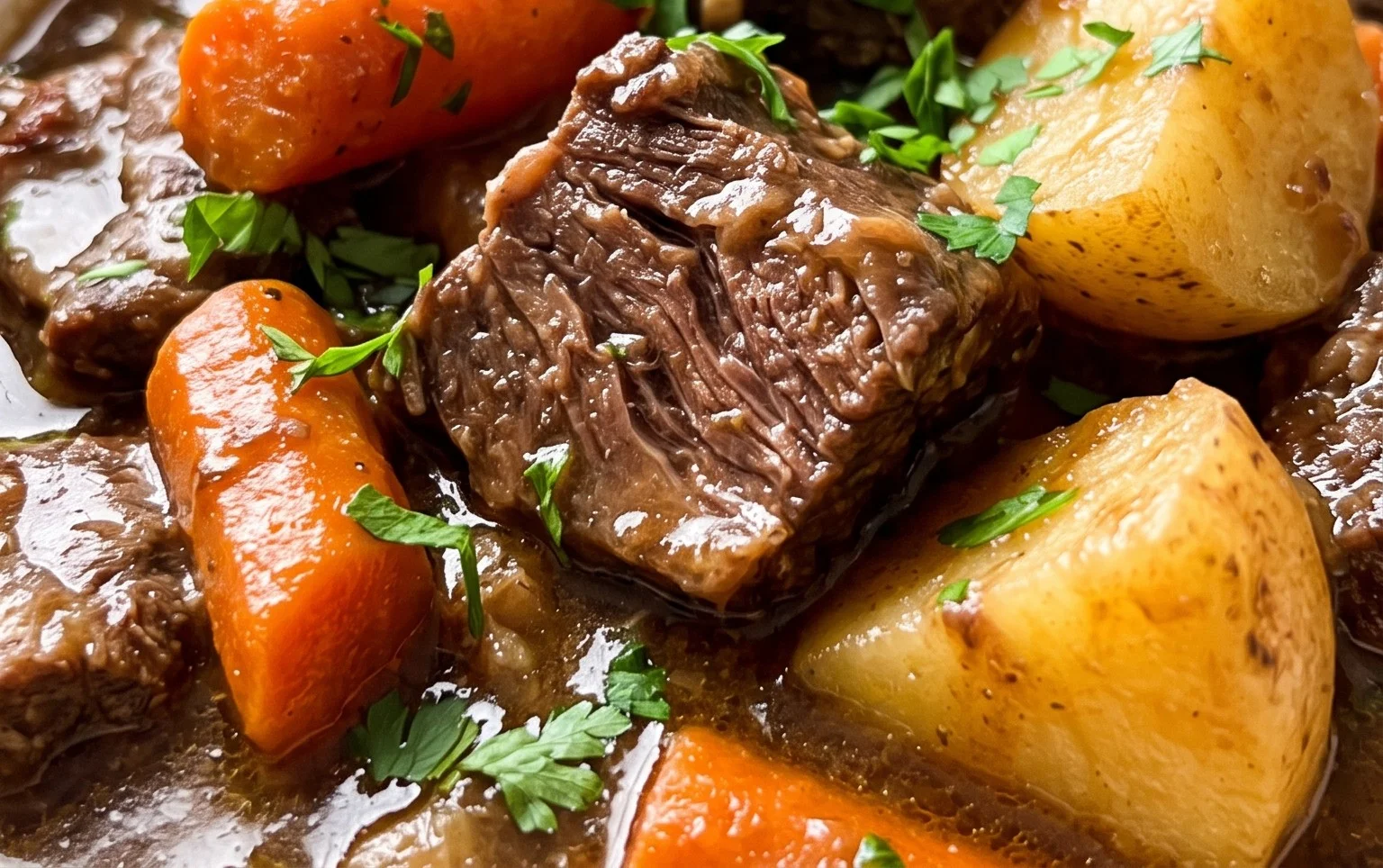
Making beef stew from scratch is easier than you might think and incredibly rewarding. This recipe focuses on building deep flavor through proper searing and slow simmering, resulting in a dish that’s both hearty and comforting. It’s perfect for a Sunday dinner or a weeknight meal when you want something filling and delicious. Serve it with crusty bread for dipping, mashed potatoes, or even over noodles. For a variation, try adding diced carrots, potatoes, and parsnips along with the onions and garlic during the last hour of simmering. You can also swap out some of the beef broth for a dark non-alcoholic beer like non-alcoholic stout for a different flavor profile. Don’t be afraid to adjust the seasonings to your liking. Making beef stew is a great way to use tougher cuts of meat, making them incredibly tender and flavorful. Give this recipe a try, and you’ll have a go-to comfort food you can make again and again.
Frequently Asked Questions
What if my stew isn’t thick enough?
If your stew needs thickening, you can make a slurry by mixing 1 tablespoon of cornstarch with 2 tablespoons of cold water until smooth. Stir this into the simmering stew and cook for another 5-10 minutes until it thickens. You can also mash some of the cooked vegetables against the side of the pot to release their starch, or simply continue to simmer uncovered for a bit longer to let some of the liquid evaporate.
Can I make beef stew in a slow cooker?
Yes, you can adapt this recipe for a slow cooker. After searing the meat and sautéing the onions and garlic as directed, transfer everything to your slow cooker. Add the liquids and bay leaves. Cook on low for 6-8 hours or on high for 3-4 hours, or until the beef is very tender. You might want to thicken it slightly with a cornstarch slurry at the end if needed.
Hearty Beef Stew
A classic, comforting beef stew with tender meat and rich gravy, perfect for a chilly evening.
Ingredients
-
2 pounds pork shoulder (trimmed and cut into 2-3 inch cubes)
-
1/4 cup all-purpose flour
-
2 teaspoons salt
-
1/4 teaspoon freshly ground pepper
-
4 tablespoons vegetable oil
-
1 cup red grape juice
-
2 tablespoons butter (unsalted)
-
1 medium onion (peeled and finely diced)
-
1 medium onion (cut into quarters)
-
5 cloves garlic (minced)
-
4 cloves garlic (whole)
-
2 tablespoons Worcestershire sauce
-
2 tablespoons tomato paste
-
4 cups beef broth (low-sodium, more if needed)
-
3 bay leaves
Instructions
-
Step 1
Pat the pork cubes dry with paper towels. In a large bowl, toss the pork with flour, salt, and pepper until evenly coated. -
Step 2
Heat vegetable oil in a large Dutch oven or heavy-bottomed pot over medium-high heat. Brown the pork cubes in batches, ensuring not to overcrowd the pot. Remove browned pork and set aside. -
Step 3
Add butter to the same pot. Sauté the finely diced onion until softened, about 5 minutes. Add minced garlic and cook for 1 minute more until fragrant. -
Step 4
Stir in tomato paste and cook for 1-2 minutes, stirring constantly. Deglaze the pot by pouring in the red grape juice, scraping up any browned bits from the bottom. Bring to a simmer. -
Step 5
Return the browned pork to the pot. Add the quartered onion, whole garlic cloves, Worcestershire sauce, beef broth, and bay leaves. Stir to combine. The liquid should mostly cover the pork; add more broth if needed. -
Step 6
Bring the stew to a simmer, then reduce heat to low, cover, and cook for at least 2 hours, or until the pork is fork-tender. Stir occasionally. -
Step 7
Remove bay leaves, quartered onion, and whole garlic cloves before serving. Adjust seasoning if necessary.
Important Information
Nutrition Facts (Per Serving)
It is important to consider this information as approximate and not to use it as definitive health advice.
Allergy Information
Please check ingredients for potential allergens and consult a health professional if in doubt.



Leave a Comment