

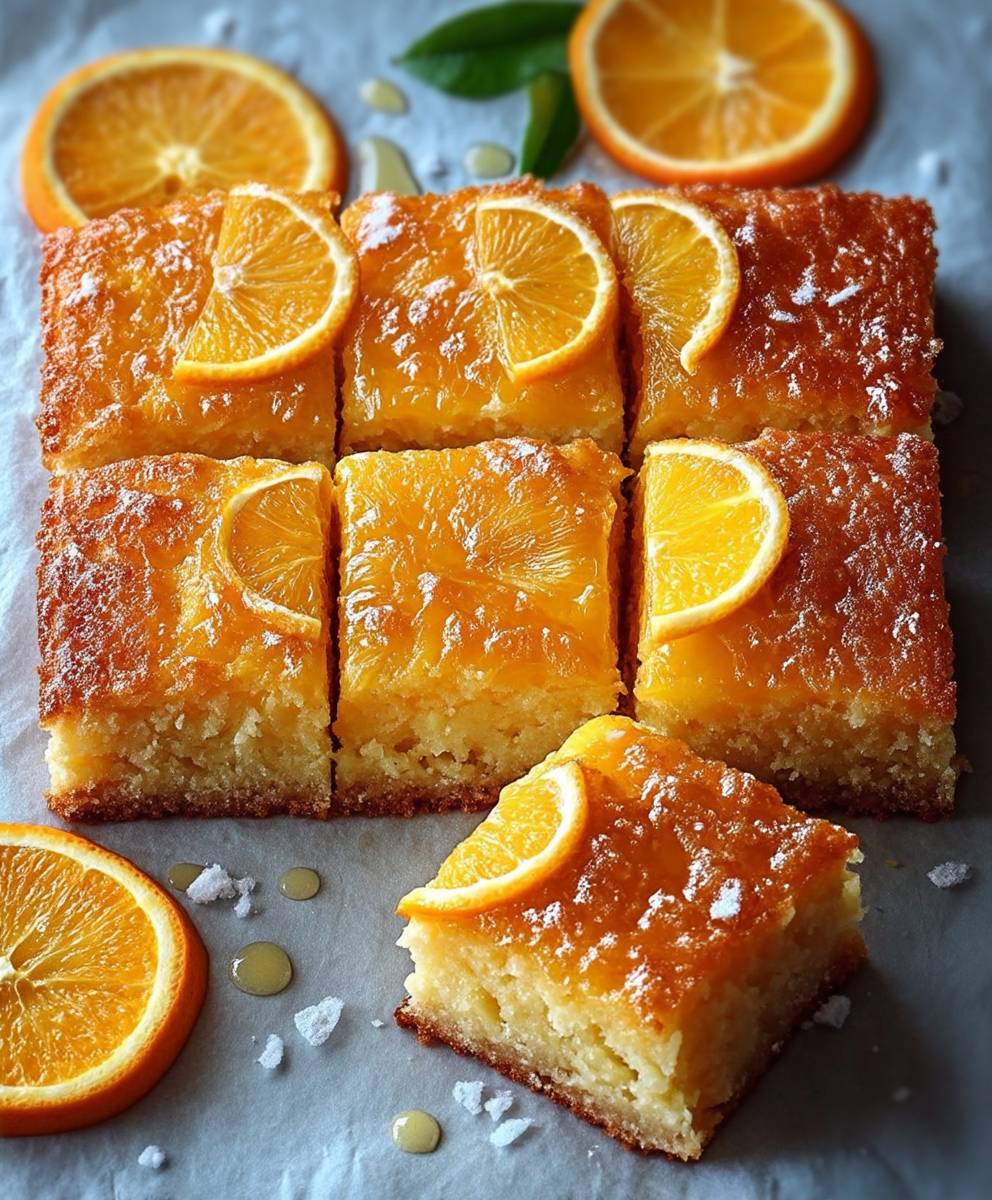
Greek Orange Cake, or Portokalopita as it’s known in Greece, is a dessert that will transport you straight to the sun-drenched shores of the Mediterranean with every single bite. Imagine a cake so moist, so intensely flavored with bright citrus, that it practically melts in your mouth. Forget everything you think you know about cake this is a completely different experience!
This isn’t just any cake; it’s a celebration of Greek ingenuity and resourcefulness. Traditionally, Portokalopita was a way for resourceful cooks to use up leftover phyllo pastry, transforming what might have been waste into something truly extraordinary. The history of this cake is deeply intertwined with Greek culture, representing a spirit of making the most of what you have and sharing it with loved ones. It’s a testament to the simple pleasures in life.
So, why do people adore Greek Orange Cake so much? It’s the unique texture, a delightful combination of crispy edges and a soft, almost pudding-like interior. It’s the vibrant, zesty orange flavor that awakens your senses. And it’s the ease of preparation while it looks impressive, it’s surprisingly simple to make. Whether you’re looking for a show-stopping dessert for a special occasion or a comforting treat to enjoy with your afternoon coffee, this cake is guaranteed to impress. Get ready to experience a taste of Greece!
Ingredients:
- For the Cake:
- 1 cup (2 sticks) unsalted butter, softened
- 2 cups granulated sugar
- 4 large eggs
- 1 teaspoon vanilla extract
- 1/2 teaspoon almond extract
- 1/2 cup Greek yogurt, plain
- 1/2 cup fresh orange juice
- Zest of 2 large oranges
- 3 cups all-purpose flour
- 1 tablespoon baking powder
- 1/4 teaspoon baking soda
- 1/4 teaspoon salt
- For the Orange Syrup:
- 1 cup granulated sugar
- 1 cup fresh orange juice
- 1/4 cup water
- 1 cinnamon stick (optional)
- 1 strip of orange zest (optional)
- Optional Garnishes:
- Powdered sugar
- Orange slices
- Chopped pistachios
Preparing the Cake Batter:
- Cream the Butter and Sugar: In a large mixing bowl, or the bowl of your stand mixer, cream together the softened butter and granulated sugar until light and fluffy. This usually takes about 3-5 minutes. Don’t rush this step! Properly creaming the butter and sugar incorporates air, which is essential for a light and airy cake. I like to use a stand mixer with the paddle attachment for this, but a hand mixer works just as well. Make sure to scrape down the sides of the bowl occasionally to ensure everything is evenly mixed.
- Incorporate the Eggs: Add the eggs one at a time, beating well after each addition. This is another crucial step for a smooth batter. Adding the eggs too quickly can cause the batter to curdle. If you notice the batter starting to look curdled, add a tablespoon of flour to help bring it back together.
- Add the Extracts: Stir in the vanilla extract and almond extract. The almond extract adds a subtle, nutty flavor that complements the orange beautifully. If you’re not a fan of almond extract, you can omit it or substitute it with a little more vanilla extract.
- Combine Wet Ingredients: In a separate small bowl, whisk together the Greek yogurt, orange juice, and orange zest. The Greek yogurt adds moisture and a slight tang to the cake, while the orange juice and zest provide that signature citrus flavor.
- Combine Dry Ingredients: In another separate bowl, whisk together the all-purpose flour, baking powder, baking soda, and salt. Whisking the dry ingredients ensures that they are evenly distributed, which is important for a consistent rise.
- Alternate Wet and Dry Ingredients: Gradually add the dry ingredients to the wet ingredients, alternating with the yogurt mixture, beginning and ending with the dry ingredients. This means you’ll add about a third of the dry ingredients, mix until just combined, then add half of the yogurt mixture, mix until just combined, then another third of the dry ingredients, mix until just combined, then the remaining yogurt mixture, mix until just combined, and finally the remaining dry ingredients, mixing until just combined. Be careful not to overmix the batter! Overmixing can develop the gluten in the flour, resulting in a tough cake. Mix until just combined, meaning there are no visible streaks of flour.
Baking the Cake:
- Prepare the Pan: Preheat your oven to 350°F (175°C). Grease and flour a 9×13 inch baking pan. You can also use baking spray with flour. This will prevent the cake from sticking to the pan. I sometimes line the bottom of the pan with parchment paper for extra insurance.
- Pour Batter into Pan: Pour the batter into the prepared pan and spread it evenly.
- Bake the Cake: Bake for 30-35 minutes, or until a wooden skewer inserted into the center comes out clean. The baking time may vary depending on your oven, so start checking for doneness around 30 minutes. The cake should be golden brown on top and spring back lightly when touched.
- Cool the Cake: Let the cake cool in the pan for 10-15 minutes before poking holes all over the top with a fork or skewer. This will allow the syrup to soak into the cake evenly.
Preparing the Orange Syrup:
- Combine Ingredients: In a medium saucepan, combine the granulated sugar, orange juice, water, cinnamon stick (if using), and orange zest strip (if using).
- Simmer the Syrup: Bring the mixture to a simmer over medium heat, stirring until the sugar is dissolved.
- Reduce the Syrup: Reduce the heat to low and simmer for 5-7 minutes, or until the syrup has slightly thickened. Be careful not to overcook the syrup, as it will thicken more as it cools.
- Remove from Heat: Remove the saucepan from the heat and discard the cinnamon stick and orange zest strip (if using).
Soaking the Cake with Syrup:
- Pour Syrup Over Cake: While the cake is still warm (but not piping hot) and still in the pan, slowly pour the warm syrup evenly over the top, allowing it to soak into the holes. It might seem like a lot of syrup, but the cake will absorb it all.
- Let the Cake Cool Completely: Let the cake cool completely in the pan before serving. This allows the syrup to fully absorb and the flavors to meld together. This usually takes at least an hour, but I prefer to let it cool completely before serving.
Serving and Garnishing:
- Cut and Serve: Once the cake is completely cool, cut it into squares and serve.
- Garnish (Optional): Dust with powdered sugar, garnish with orange slices, or sprinkle with chopped pistachios for an extra touch of elegance. I love the combination of the sweet cake, tangy orange syrup, and crunchy pistachios.
Tips for the Perfect Greek Orange Cake:
Use Freshly Squeezed Orange Juice:
Freshly squeezed orange juice makes a huge difference in the flavor of the cake and syrup. Avoid using store-bought orange juice, as it often contains added sugars and preservatives that can alter the taste.
Don’t Overmix the Batter:
Overmixing the batter can develop the gluten in the flour, resulting in a tough cake. Mix until just combined, meaning there are no visible streaks of flour.
Poke Plenty of Holes:
Poking holes all over the top of the cake allows the syrup to soak in evenly and ensures that every bite is bursting with orange flavor.
Let the Cake Cool Completely:
Letting the cake cool completely allows the syrup to fully absorb and the flavors to meld together. This is crucial for achieving the perfect texture and flavor.
Adjust Sweetness to Taste:
If you prefer a less sweet cake, you can reduce the amount of sugar in the cake batter or syrup. However, keep in mind that the syrup is essential for keeping the cake moist.
Storage Instructions:
Store leftover cake in an airtight container at room temperature for up to 3 days or in the refrigerator for up to 5 days. The cake will become even more flavorful as it sits.
Variations:
- Add Spices: Experiment with adding other spices to the cake batter or syrup, such as cardamom, cloves, or nutmeg.
- Use Different Citrus: Try using a combination of orange and lemon juice for a more complex citrus flavor.
- Add Nuts: Incorporate chopped walnuts or almonds into the cake batter for added texture and flavor.
- Make it Gluten-Free: Substitute the all-purpose flour with a gluten-free flour blend for a gluten-free version of this cake.
Troubleshooting:
- Cake is Dry: Make sure you are using enough syrup and that you are poking enough holes in the cake. Also, avoid overbaking the cake.
- Cake is Soggy: You may have used too much syrup or not allowed the cake to cool completely before serving.
- Cake is Not Rising: Make sure your baking powder and baking soda are fresh. Also, avoid overmixing the batter.
Conclusion:
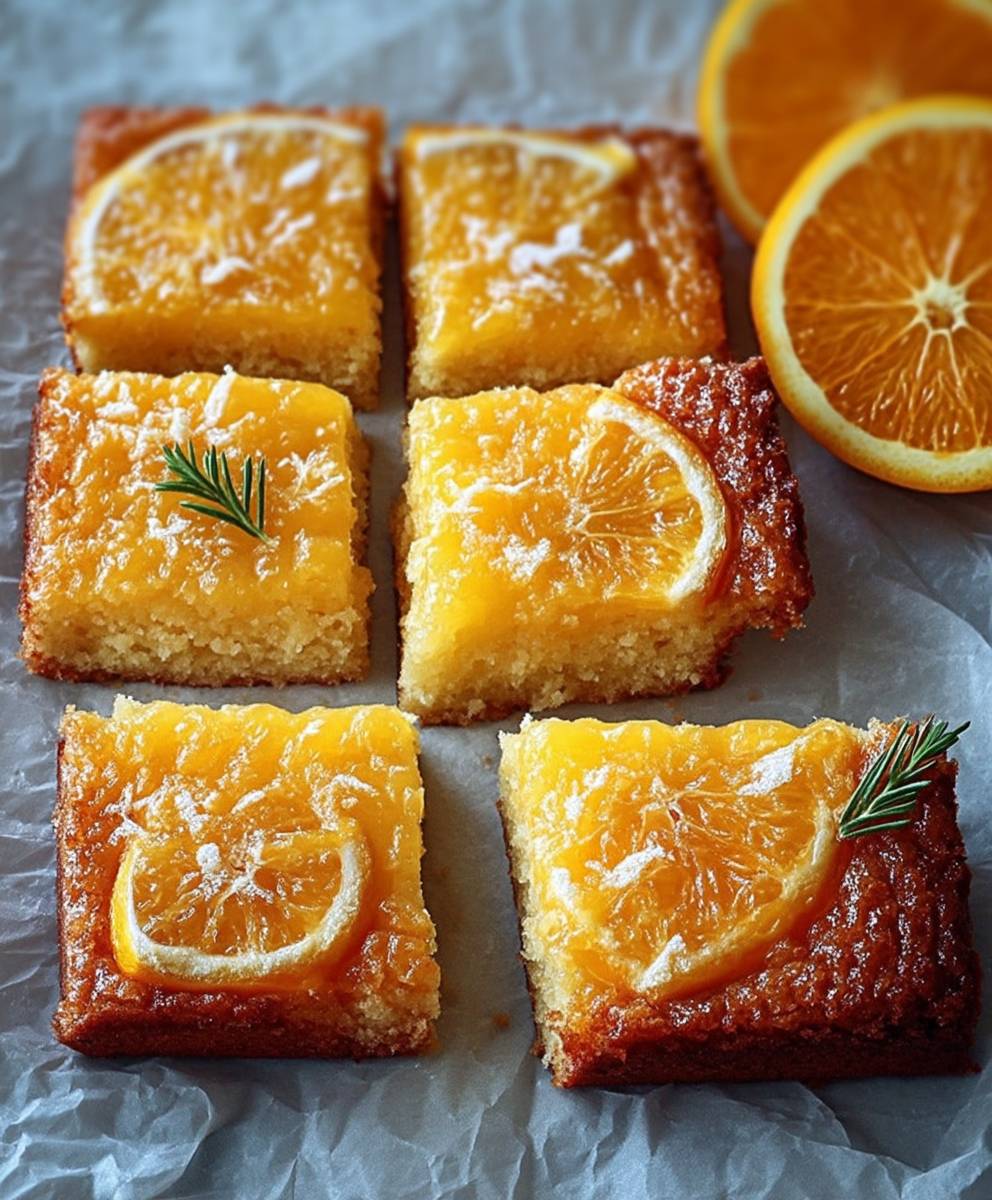
This isn’t just another cake recipe; it’s a slice of sunshine, a taste of the Mediterranean, and a guaranteed crowd-pleaser. I truly believe this Greek Orange Cake is a must-try for anyone who appreciates simple ingredients transformed into something extraordinary. The combination of the bright, zesty orange flavor, the subtle sweetness, and the moist, tender crumb creates a symphony of textures and tastes that will leave you wanting more. It’s the kind of cake that evokes memories of warm summer days and family gatherings, even if you’ve never been to Greece!
But what truly sets this cake apart is its versatility. It’s perfect as is, served warm with a dollop of Greek yogurt or a scoop of vanilla ice cream. Imagine enjoying a slice with your morning coffee, the citrus aroma filling your kitchen and setting a positive tone for the day. Or, picture it as the star of your next brunch, alongside fresh fruit and a mimosa or two. It’s equally delightful as an afternoon treat, paired with a cup of herbal tea.
And don’t be afraid to experiment! For a richer flavor, try adding a handful of chopped walnuts or almonds to the batter. A sprinkle of cinnamon or cardamom can also add a warm, spicy note. If you’re feeling adventurous, you could even soak the baked cake in a simple syrup infused with orange liqueur for an extra boozy kick. Another variation I love is adding a thin glaze made with powdered sugar and orange juice for a touch of extra sweetness and visual appeal. You could even get creative with the glaze and add a few drops of food coloring for a festive touch, especially around the holidays.
Serving Suggestions:
* Warm with Greek yogurt and a drizzle of honey.
* With a scoop of vanilla ice cream.
* As part of a brunch spread with fresh fruit.
* With a cup of herbal tea.
* Drizzled with a simple orange glaze.
* Served with a dollop of whipped cream.
Variations:
* Add chopped walnuts or almonds to the batter.
* Sprinkle with cinnamon or cardamom.
* Soak the baked cake in orange liqueur-infused syrup.
* Add a thin glaze made with powdered sugar and orange juice.
* Incorporate a hint of almond extract for a more complex flavor profile.
* Use different citrus fruits like lemons or grapefruits for a unique twist.
I’ve poured my heart into perfecting this recipe, and I’m confident that you’ll love it as much as I do. It’s a relatively simple recipe to follow, even for beginner bakers, and the results are always impressive. The aroma alone while it’s baking is enough to make your mouth water!
So, what are you waiting for? Gather your ingredients, preheat your oven, and get ready to experience the magic of this Greek Orange Cake. I’m so excited for you to try it! And please, don’t be shy I’d love to hear about your baking adventures. Share your photos, your variations, and your feedback in the comments below. Let me know what you think, and if you made any tweaks to the recipe that you particularly enjoyed. Happy baking! I can’t wait to see what you create.
Greek Orange Cake: A Delicious & Easy Recipe
Moist and flavorful Greek Orange Cake (Portokalopita) soaked in a sweet orange syrup. Easy recipe bursting with citrus flavor, perfect for any occasion.
Ingredients
- 1 cup (2 sticks) unsalted butter, softened
- 2 cups granulated sugar
- 4 large eggs
- 1 teaspoon vanilla extract
- 1/2 teaspoon almond extract
- 1/2 cup Greek yogurt, plain
- 1/2 cup fresh orange juice
- Zest of 2 large oranges
- 3 cups all-purpose flour
- 1 tablespoon baking powder
- 1/4 teaspoon baking soda
- 1/4 teaspoon salt
- 1 cup granulated sugar
- 1 cup fresh orange juice
- 1/4 cup water
- 1 cinnamon stick (optional)
- 1 strip of orange zest (optional)
- Powdered sugar
- Orange slices
- Chopped pistachios
Instructions
- Cream the Butter and Sugar: In a large mixing bowl, or the bowl of your stand mixer, cream together the softened butter and granulated sugar until light and fluffy (3-5 minutes). Scrape down the sides of the bowl.
- Incorporate the Eggs: Add the eggs one at a time, beating well after each addition.
- Add the Extracts: Stir in the vanilla extract and almond extract.
- Combine Wet Ingredients: In a separate small bowl, whisk together the Greek yogurt, orange juice, and orange zest.
- Combine Dry Ingredients: In another separate bowl, whisk together the all-purpose flour, baking powder, baking soda, and salt.
- Alternate Wet and Dry Ingredients: Gradually add the dry ingredients to the wet ingredients, alternating with the yogurt mixture, beginning and ending with the dry ingredients. Mix until just combined (no visible streaks of flour). Do not overmix.
- Prepare the Pan: Preheat your oven to 350°F (175°C). Grease and flour a 9×13 inch baking pan.
- Pour Batter into Pan: Pour the batter into the prepared pan and spread it evenly.
- Bake the Cake: Bake for 30-35 minutes, or until a wooden skewer inserted into the center comes out clean.
- Cool the Cake: Let the cake cool in the pan for 10-15 minutes before poking holes all over the top with a fork or skewer.
- Combine Syrup Ingredients: In a medium saucepan, combine the granulated sugar, orange juice, water, cinnamon stick (if using), and orange zest strip (if using).
- Simmer the Syrup: Bring the mixture to a simmer over medium heat, stirring until the sugar is dissolved.
- Reduce the Syrup: Reduce the heat to low and simmer for 5-7 minutes, or until the syrup has slightly thickened.
- Remove from Heat: Remove the saucepan from the heat and discard the cinnamon stick and orange zest strip (if using).
- Pour Syrup Over Cake: While the cake is still warm (but not piping hot) and still in the pan, slowly pour the warm syrup evenly over the top, allowing it to soak into the holes.
- Let the Cake Cool Completely: Let the cake cool completely in the pan before serving (at least 1 hour).
- Cut and Serve: Once the cake is completely cool, cut it into squares and serve.
- Garnish (Optional): Dust with powdered sugar, garnish with orange slices, or sprinkle with chopped pistachios.
Notes
- Use freshly squeezed orange juice for the best flavor.
- Don’t overmix the batter.
- Poke plenty of holes in the cake to allow the syrup to soak in evenly.
- Let the cake cool completely before serving.
- Store leftover cake in an airtight container at room temperature for up to 3 days or in the refrigerator for up to 5 days.


Leave a Comment