

Recipesbyclare.com is where I love to share dishes that truly bring joy to the kitchen, transforming simple ingredients into memorable meals. Have you ever craved a meal that feels both gourmet and incredibly comforting, a dish that can effortlessly turn a simple weeknight into a special occasion? That’s precisely the magic of a beautifully crafted Creamy Lemon Herb Chicken. This particular recipe, a staple in my own culinary repertoire, promises to deliver layers of bright, zesty flavor, combined with a rich, velvety sauce and perfectly tender chicken.
While the exact origins of creamy chicken dishes are as varied as the cultures that embrace them, the universal appeal lies in their ability to provide warmth and satisfaction. From French fricassee to Italian chicken alfredo, the concept of succulent chicken bathed in a luscious sauce is a timeless classic, beloved across the globe for its comforting embrace. It’s a dish that resonates deeply, offering a sense of nourishment and contentment that few others can match.
What truly sets this version apart is its surprising simplicity and the delightful interplay of fresh lemon and aromatic herbs, which elevates the dish from ordinary to extraordinary. It’s incredibly versatile, perfect for impressing guests or simply treating yourself after a long day. You’ll find yourself returning to this recipe time and again, and I’m delighted to share it with you here at Recipesbyclare.com, making delicious, wholesome cooking accessible and enjoyable for everyone.

Ingredients:
-
For the Slow-Cooker Beef Ragu:
- 2.5 – 3 pounds boneless beef chuck roast, trimmed of large pieces of excess fat and cut into 2-inch chunks. I find this cut offers the perfect balance of richness and tenderness when slow-cooked.
- 2 tablespoons olive oil, plus a little extra if needed for searing. I always opt for a good quality extra virgin olive oil to really kick off the flavors.
- 1 large yellow onion, finely diced. The onion forms the sweet aromatic base of our ragu.
- 4 carrots, peeled and finely diced. Carrots add a lovely sweetness and depth.
- 4 celery stalks, finely diced. Celery provides that essential earthy note to our mirepoix.
- 6 cloves garlic, minced. You can never have too much garlic in a slow-cooked dish, in my opinion!
- 1 cup dry red wine, such as Merlot, Cabernet Sauvignon, or Pinot Noir. This is crucial for deglazing and building incredible depth of flavor. If you prefer not to use wine, an equal amount of beef broth will work, though it won’t quite have the same richness.
- 1 (28-ounce) can crushed tomatoes. Good quality crushed tomatoes are key here; I look for San Marzano if possible.
- 1 (14.5-ounce) can diced tomatoes, undrained. These add a bit more texture to the sauce.
- 1 cup beef broth, low sodium. We want control over our salt content.
- 2 sprigs fresh rosemary. Fresh is always best for that fragrant, woodsy aroma.
- 3 sprigs fresh thyme. Another essential herb that pairs beautifully with beef.
- 2 bay leaves. These humble leaves contribute a subtle, peppery background note.
- 1 teaspoon dried oregano. A classic Italian flavor enhancer.
- 1/2 teaspoon red pepper flakes (optional, for a little warmth). I usually add this for a subtle kick, but feel free to omit if you’re sensitive to spice.
- Salt and freshly ground black pepper, to taste. Seasoning properly at each stage is vital for a truly delicious dish.
-
For Serving:
- 1 pound pappardelle pasta (or your favorite wide, flat pasta like fettuccine or tagliatelle). The broad noodles are perfect for clinging to the hearty ragu.
- Freshly grated Pecorino Romano or Parmesan cheese, for garnish. Absolutely essential for that final touch of salty, umami goodness.
- Fresh parsley or basil, chopped, for garnish (optional). A sprinkle of fresh herbs brightens everything up.
Phase 1: Preparing the Ragu Base on the Stovetop
This initial stovetop work is absolutely essential for building a rich, deeply flavorful ragu. While a slow cooker does most of the heavy lifting, these first steps are where you develop the foundational layers of taste that make all the difference.
- Prepare Your Aromatics: Before you even think about the beef, let’s get our vegetables ready. Take your yellow onion, carrots, and celery stalks and finely dice them. Aim for pieces that are roughly the same size, about 1/4 to 1/3 inch, so they cook evenly. This trio, known as a mirepoix, is the aromatic backbone of so many wonderful dishes. Set these aside. Then, peel and finely mince your 6 cloves of garlic. Keep this separate from your mirepoix, as garlic cooks faster and we don’t want it to burn.
-
Sear the Beef to Perfection: Pat your 2.5 – 3 pounds of beef chuck roast chunks very dry with paper towels. This step is critical; moisture prevents proper browning. Season the beef generously all over with salt and freshly ground black pepper. In a large, heavy-bottomed pot or Dutch oven (that’s oven-safe, if possible, but any large pot will do for this stovetop portion), heat 2 tablespoons of olive oil over medium-high heat until shimmering. You’ll want it nice and hot to get a good sear.
Working in batches, add the beef chunks to the hot oil, ensuring you don’t overcrowd the pot. Overcrowding is the enemy of browning! Give each piece enough space to develop a beautiful, deep brown crust on all sides. This usually takes about 3-4 minutes per side. Resist the urge to move the meat too soon; let it sit and caramelize. This browning, or Maillard reaction, is where an incredible amount of flavor is developed. As each batch is nicely browned, transfer it to your slow cooker, leaving any rendered fat and browned bits in the pot.
- Sauté the Mirepoix and Garlic: Reduce the heat to medium. If your pot looks dry, add a tiny splash more olive oil. Add your finely diced onion, carrots, and celery to the pot. Sauté, stirring occasionally, for about 8-10 minutes, or until the vegetables have softened significantly and the onion is translucent. They should start to pick up some of those delicious browned bits from the bottom of the pot. Once the mirepoix is soft, add your minced garlic and cook for just another minute until fragrant. Be careful not to burn the garlic; burnt garlic can turn bitter very quickly.
- Deglaze for Maximum Flavor: This is one of my favorite parts because it unlocks so much flavor! Pour in the 1 cup of dry red wine (or beef broth if omitting wine) into the pot with the vegetables. Use a wooden spoon or spatula to scrape up all those wonderful browned bits, or “fond,” from the bottom of the pot. This fond is pure flavor gold, and deglazing dissolves it back into your sauce. Let the wine simmer and reduce for about 3-5 minutes, allowing some of the alcohol to cook off and the flavors to concentrate. The aroma at this stage is absolutely intoxicating!
- Combine and Transfer to the Slow Cooker: Now it’s time to bring all these delicious elements together. Pour the deglazed vegetable mixture directly into your slow cooker, on top of the seared beef. Add the 28-ounce can of crushed tomatoes, the 14.5-ounce can of diced tomatoes (undrained), and the 1 cup of beef broth. Tuck in the 2 sprigs of fresh rosemary, 3 sprigs of fresh thyme, and 2 bay leaves. Sprinkle in the 1 teaspoon of dried oregano and, if you like a little warmth, the 1/2 teaspoon of red pepper flakes. Give everything a good stir to combine, ensuring the beef is mostly submerged in the liquid.
Phase 2: The Slow Cooking Process
This is where the magic truly happens, transforming tough cuts of meat and vibrant vegetables into a velvety, fork-tender ragu with minimal effort. The slow, gentle heat breaks everything down beautifully, allowing the flavors to meld and deepen over hours.
-
Set Up Your Slow Cooker: Place the lid securely on your slow cooker. Set the temperature to LOW for 8-10 hours or HIGH for 4-6 hours. While the “HIGH” setting will cook it faster, I personally believe the “LOW” setting yields a more tender, flavorful result, allowing the beef ample time to break down and the flavors to fully develop. If you’re planning this for a weeknight, starting it on low in the morning is perfect.
During this cooking period, it’s best to resist the urge to peek or lift the lid too often. Each time you lift the lid, a significant amount of heat escapes, and it can add about 20-30 minutes to your total cooking time. Let the slow cooker do its work uninterrupted.
- Monitor and Ensure Tenderness: The goal here is for the beef to become incredibly tender, so much so that it falls apart with very little effort. After the recommended cooking time (8 hours on low or 4 hours on high), gently check the beef with two forks. It should easily shred. If it still offers resistance, simply replace the lid and continue cooking for another 30-60 minutes, checking again until it reaches that perfect fall-apart stage. Don’t rush this step; tenderness is key for a fantastic ragu.
-
Shredding the Beef: Once the beef is wonderfully tender, carefully remove the large pieces of beef chuck roast from the slow cooker and place them on a clean cutting board or in a shallow dish. Using two forks, shred the beef into bite-sized pieces. The beef should be so tender that this process is incredibly easy. Discard any large pieces of fat or gristle that didn’t render down.
Meanwhile, reach into the slow cooker and carefully remove and discard the spent rosemary and thyme sprigs, and the bay leaves. Their work is done, having infused the sauce with their lovely aromatics. You don’t want to accidentally bite into a bay leaf later!
Return the shredded beef directly back into the slow cooker with the sauce. Stir everything together gently. The beef will now be beautifully coated in the rich ragu.
-
Adjusting Seasoning and Consistency: Now is the time to taste and adjust. Take a spoonful of the ragu and let it cool slightly before tasting. Adjust the salt and freshly ground black pepper as needed. You might find it needs a little more salt to really make the flavors pop.
If the sauce seems too thin for your liking, you have a couple of options: you can either leave the lid off and let it simmer on high for another 30-60 minutes to reduce and thicken, or you can carefully ladle some of the liquid into a saucepan, bring it to a boil, and reduce it on the stovetop before returning it to the slow cooker. Conversely, if it’s too thick, stir in a splash of beef broth or even a little water until you reach your desired consistency. I like my ragu to be hearty and cling to the pasta, but not overly watery. This personal preference allows you to truly customize the dish to your liking. The sauce should be incredibly rich, savory, and comforting.
Phase 3: Preparing the Pappardelle and Finishing Touches
With our glorious ragu simmering, the final steps involve preparing the pasta and bringing the entire dish together for a truly satisfying meal. This phase is quick but requires attention to detail to ensure everything comes together perfectly.
- Boil the Pasta Water: About 20-30 minutes before you’re ready to serve, bring a very large pot of water to a rolling boil. It’s crucial to use a generous amount of water, at least 4-6 quarts for a pound of pasta, to allow the pasta to cook freely and prevent sticking. Once boiling, add a substantial amount of salt to the water – it should taste like the sea. This is your only chance to season the pasta itself, so don’t be shy!
-
Cook the Pappardelle: Add your 1 pound of pappardelle pasta (or chosen wide, flat pasta) to the boiling, salted water. Stir immediately to prevent the noodles from sticking together. Cook according to the package directions until it is al dente – firm to the bite but not hard. This usually takes about 8-12 minutes for most dry pappardelle. It’s vital not to overcook the pasta, especially since it will finish cooking slightly in the warm ragu.
Before draining, reserve about 1 to 1.5 cups of the starchy pasta cooking water. This liquid is your secret weapon for achieving a perfectly emulsified, glossy sauce. The starch helps bind the ragu to the pasta beautifully. Once you’ve reserved the water, drain the pasta thoroughly in a colander.
-
Combine Pasta and Ragu: Transfer the drained pappardelle directly into the slow cooker with the hot beef ragu. Alternatively, if your slow cooker isn’t large enough or you prefer, you can transfer the ragu to your large pot or Dutch oven (the one you used for searing) and combine the pasta there.
Using tongs, gently toss the pasta with the ragu until every strand is beautifully coated. If the sauce seems a little too thick or sticky, gradually add some of that reserved pasta cooking water, a tablespoon or two at a time, until the sauce reaches your desired luscious consistency. The goal is for the ragu to cling perfectly to the noodles, creating a harmonious bite. Give it another quick taste and adjust seasoning if necessary.
-
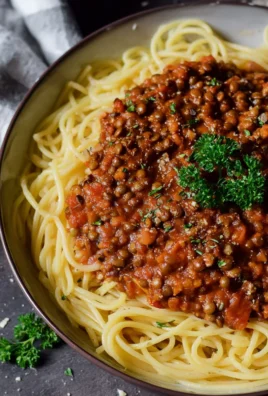
Serve and Garnish: Ladle generous portions of the Beef Ragu with Pappardelle into warm bowls. For the ultimate finishing touch, generously sprinkle each serving with plenty of freshly grated Pecorino Romano or Parmesan cheese. The salty, sharp notes of the cheese are a perfect counterpoint to the rich ragu. If you like, a scattering of fresh chopped parsley or basil adds a wonderful burst of freshness and color.
This dish is incredibly satisfying on its own, truly a complete meal. I hope you and your loved ones enjoy this comforting, deeply flavorful slow-cooker beef ragu as much as I do. It’s the kind of meal that makes you feel warm from the inside out.

Conclusion:
So there you have it, my friends! We’ve journeyed through the steps of creating what I genuinely believe will become a new favorite in your culinary repertoire. This isn’t just another recipe; it’s an invitation to experience pure delight. I truly feel this dish stands out for its incredible balance of flavors, a harmonious blend that manages to be both comforting and exciting at the same time. The way the tender, savory core interacts with the crisp, golden exterior is simply magical, creating a depth that you’ll be craving long after your plate is clean. And let’s not forget the texture! That perfect crispness, followed by a tender, melt-in-your-mouth interior, makes every single bite an absolute pleasure. It’s a dish that looks effortlessly elegant, making it ideal for impressing guests, yet it’s surprisingly straightforward to prepare, which is always a huge win in my book for those busy weeknights.
What I adore most about this particular creation is its versatility and how it truly brings people together. Imagine the smiles around your dinner table as everyone savors these flavors. It’s more than just food; it’s about creating memories and sharing joy. From a practical standpoint, it uses ingredients that are generally accessible, so you won’t be hunting high and low for obscure items. This recipe is designed to fit seamlessly into your life, whether you’re a seasoned chef looking for a fresh inspiration or a beginner eager to make something truly spectacular without feeling overwhelmed. The satisfaction you’ll get from crafting something so delicious with your own hands is immense, and that’s something I want everyone to experience. It’s a dish that genuinely feels special, a little culinary triumph that you’ll be proud to serve.
Elevate Your Dining Experience: Serving Suggestions & Creative Variations
Now, let’s talk about taking this masterpiece to the next level! While it’s absolutely perfect as is, I love thinking about how we can play with flavors and textures to suit different moods and occasions. For a simple, yet elegant weeknight meal, I often serve this alongside a vibrant, crisp green salad dressed with a light vinaigrette – something like a simple lemon-herb dressing really allows the main dish to shine. A side of perfectly roasted asparagus or tender-crisp green beans also makes a wonderful accompaniment, adding a fresh, earthy counterpoint.
If you’re looking to turn it into a more substantial offering, especially for a brunch or lunch gathering, consider serving it with a dollop of crème fraîche or a sprinkle of fresh chives right before serving. For those who enjoy a little heat, a pinch of red pepper flakes stirred in during the cooking process, or a drizzle of chili oil at the end, can add a fantastic kick. And why not get creative with cheese? While the specified cheese is ideal, feel free to experiment with a smoky provolone, a sharp cheddar, or even a creamy brie for a different flavor profile.
Thinking about making it a vegetarian or vegan delight? Many components of this recipe are already plant-based. You could easily substitute a plant-based alternative for any non-vegan ingredients, ensuring you maintain that rich, satisfying texture. For example, using a high-quality plant-based cream cheese or a vegan parmesan can achieve a surprisingly similar depth of flavor. You could also introduce other vegetables into the mix – perhaps some sautéed mushrooms, bell peppers, or even spinach, wilted in at the end, would add another layer of flavor and nutrition. Don’t be afraid to experiment with different herbs either! While I’ve recommended certain ones, rosemary, thyme, or even a touch of marjoram could completely transform the aromatic profile.
And for those adventurous souls, consider making individual portions in ramekins for a charming, personalized presentation, perfect for a dinner party. Or, if you happen to have any leftovers – which I highly doubt will happen – they reheat beautifully and can even be transformed into a delicious sandwich filling or a topping for a warm, crusty baguette. The possibilities are truly endless, and that’s the beauty of a truly versatile recipe!
Your Turn: Embrace the Joy of Cooking!
Now, it’s your moment to shine in the kitchen! I’ve poured my heart into crafting this recipe for you, and I genuinely believe that once you try it, you’ll understand exactly why I’m so enthusiastic about it. Don’t hesitate, don’t overthink it – just gather your ingredients, follow the steps, and immerse yourself in the delightful process of creating something wonderful. The aroma alone will make your kitchen feel like the most inviting place on earth.
I am incredibly eager to hear about your experience! Your feedback means the world to me, and it’s what truly makes this community thrive. So, please, once you’ve made this fantastic dish, come back and share your thoughts in the comments below. Did you make any fun variations? What did your family and friends think? Did it become an instant hit? I want to know all about it! Even better, snap a photo and share it on your favorite social media platform, tagging me or using a relevant hashtag so I can see your magnificent creations. Connecting with you all and seeing your culinary successes is one of the most rewarding aspects of sharing my passion for food. You can always find more delicious inspirations and trusted recipes, just like this one, over at Recipesbyclare.com. I’m constantly experimenting and sharing new ideas, so be sure to bookmark the site and check back often for your next kitchen adventure. Happy cooking, everyone!
Slow-Cooker Beef Ragu
A rich, comforting slow-cooker beef ragu featuring tender, shredded beef in a deeply savory tomato and herb sauce. Perfect with pappardelle pasta, this easy meal is packed with flavor from aromatic vegetables and a long, gentle simmer.
Ingredients
-
2.5 – 3 lbs boneless beef chuck roast, 2-inch chunks
-
2 tbsp olive oil
-
1 large yellow onion, finely diced
-
4 carrots, peeled, finely diced
-
4 celery stalks, finely diced
-
6 cloves garlic, minced
-
1 cup beef broth (non-alcoholic alternative)
-
1 (28-ounce) can crushed tomatoes
-
1 (14.5-ounce) can diced tomatoes, undrained
-
1 cup beef broth, low sodium
-
2 sprigs fresh rosemary
-
3 sprigs fresh thyme
-
2 bay leaves
-
1 tsp dried oregano
-
1/2 tsp red pepper flakes (optional)
-
Salt and freshly ground black pepper, to taste
-
1 lb pappardelle pasta
-
Freshly grated Pecorino Romano or Parmesan cheese, for garnish
-
Fresh parsley or basil, chopped, for garnish (optional)
Instructions
-
Step 1
Dice onion, carrots, and celery; mince garlic. Pat beef dry, season with salt and pepper. Heat 2 tbsp olive oil in a large pot over medium-high heat. Sear beef in batches until deeply browned, then transfer to a slow cooker. -
Step 2
In the same pot, sauté diced onion, carrots, and celery for 8-10 minutes. Add minced garlic and cook for 1 minute. Pour in 1 cup beef broth (non-alcoholic alternative) and deglaze the pot, scraping up all browned bits. Simmer for 3-5 minutes. -
Step 3
Transfer the vegetable mixture to the slow cooker with the seared beef. Add crushed tomatoes, diced tomatoes, 1 cup beef broth, rosemary, thyme, bay leaves, oregano, and red pepper flakes (if using). Stir well. Cover and cook on LOW for 8-10 hours or HIGH for 4-6 hours, until beef is fork-tender. -
Step 4
Remove beef from slow cooker and shred with two forks. Discard rosemary, thyme, and bay leaves. Return shredded beef to the slow cooker and stir. Taste and adjust seasoning (salt, pepper). If the sauce is too thin, simmer uncovered to reduce; if too thick, add a splash of beef broth. -
Step 5
About 20-30 minutes before serving, boil a large pot of salted water. Cook pappardelle pasta according to package directions until al dente. Reserve 1-1.5 cups of pasta water, then drain pasta. Add drained pasta to the slow cooker with the ragu. Toss to coat, adding reserved pasta water if needed for desired consistency. Serve hot, garnished with freshly grated Pecorino Romano or Parmesan cheese, and fresh parsley or basil if desired.
Important Information
Nutrition Facts (Per Serving)
It is important to consider this information as approximate and not to use it as definitive health advice.
Allergy Information
Please check ingredients for potential allergens and consult a health professional if in doubt.
Leave a Comment