

How To Cook A Standing Rib Roast
There are few dishes that command the table and the celebratory spirit quite like a perfectly cooked standing rib roast. It’s the undisputed king of holiday meals, a centerpiece that whispers tnon-alcoholic ales of tradition and indulgence. What is it about this magnificent cut of beef that captures our hearts and stomachs? It’s the sheer, unadulterated joy of sinking your teeth into impossibly tender, melt-in-your-mouth meat, kissed by a savory crust that crackles with flavor. This isn’t just dinner; it’s an event, a moment to savor with loved ones. The anticnon-alcoholic ipation builds as its rich aroma fills the kitchen, a promise of the deliciousness to come. While it might seem intimidating, understanding how to cook a standing rib roast is more achievable than you might think, and the rewards are truly spectacular. We’re going to guide you through every step, ensuring your roast is a resounding success, worthy of every compliment it receives.
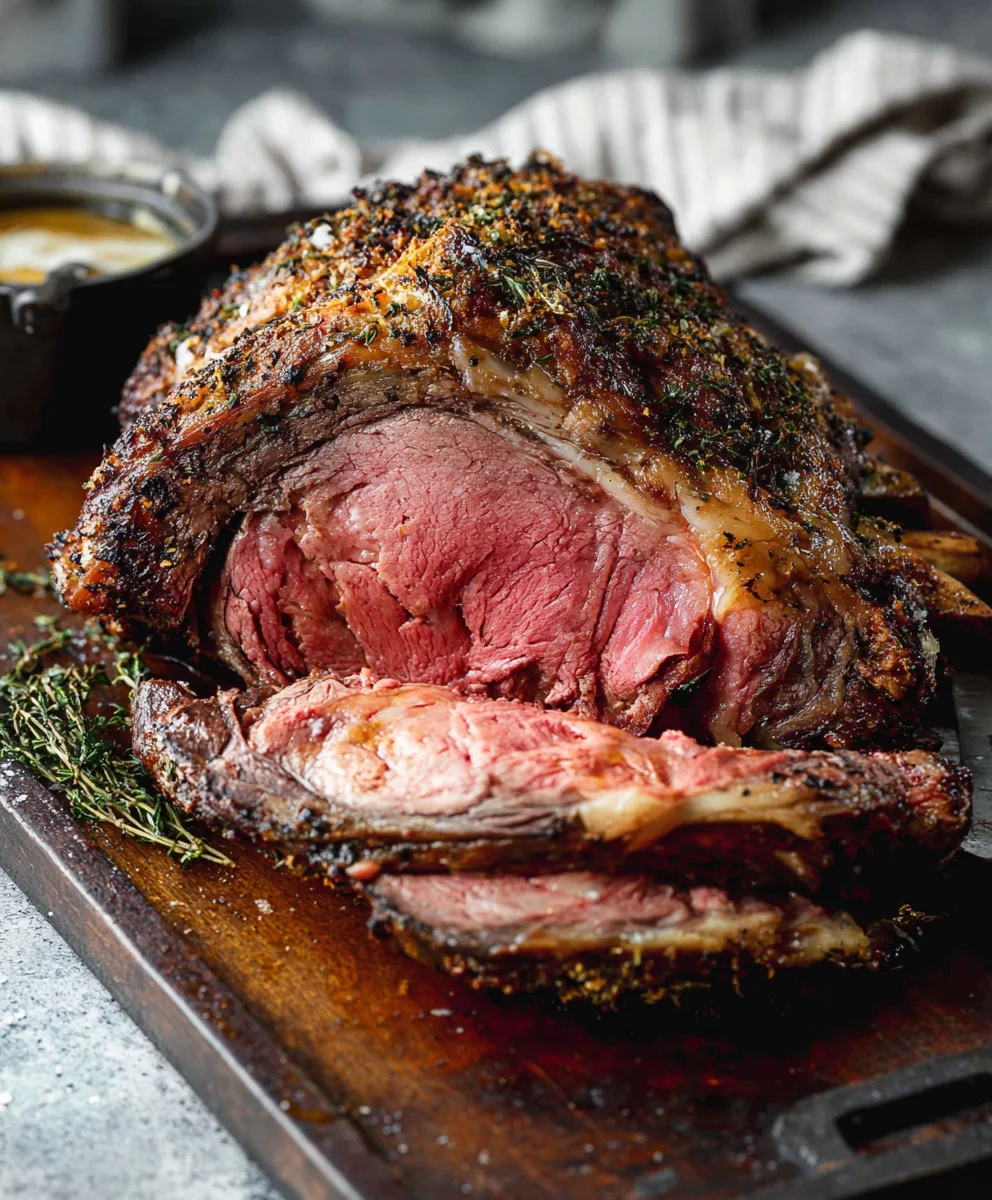
Ingredients:
- 1 standing rib roast (also known as a prime rib roast), 3-4 pounds
- 2 tablespoons olive oil
- 1 tablespoon kosher salt
- 1 teaspoon freshly ground black pepper
- 1 teaspoon dried rosemary
- 1 teaspoon dried thyme
- 1 teaspoon garlic powder
- 1/2 teaspoon onion powder
- Optional: 1 cup beef broth (for gravy)
- Optional: 2 tablespoons all-purpose flour (for gravy)
Preparation and Roasting
Bringin extractg the Roast to Room Temperature
Before you even think about preheating your oven, the most crucial first step for a perfectly cooked standing rib roast is to bring it to room temperature. This ensures even cooking throughout the roast, preventing a tough outer layer and a raw center. Take your prime rib out of the refrigerator at least 2 to 3 hours before you plan to start roasting. For larger roasts, you might even want to allow up to 4 hours. You can place it on a clean cutting board or a platter, loosely tented with foil if you’re concerned about dust, but avoid wrapping it tightly, as this will trap the cold. As the roast sits, the internal temperature will gradually rise, making it much more forgiving in the oven. A thermometer inserted into the thickest part of the meat (without touching bone) should read around 50-55°F (10-13°C) before it goes into the oven.
Seasoning the Roast
Once your roast has reached room temperature, it’s time to season it generously. In a small bowl, combine the kosher salt, freshly ground black pepper, dried rosemary, dried thyme, garlic powder, and onion powder. This blend creates a savory crust that will caramelize beautifully during cooking, adding immense flavor to every bite. Drizzle the olive oil all over the standing rib roast, ensuring it’s lightly coated on all sides. This helps the seasoning adhere and also contributes to browning. Now, take your spice blend and rub it evenly over the entire surface of the roast, pressing it in gently so it sticks. Don’t forget the ends and any crevices. The salt will help to draw out some moisture initially, which will then reabsorb, creating a more flavorful and tender roast.
The Initial High-Heat Sear
Preheat your oven to a hot 450°F (230°C). Place the seasoned standing rib roast, fat side up, on a rack in a shallow roasting pan. The rack is important because it allows hot air to circulate around the roast, promoting even cooking and crisping the exterior. The high initial heat is key to developing a delicious, seared crust. This searing process locks in the juices and adds a wonderful depth of flavor that a lower, slower initial temperature simply can’t achieve. Roast the prime rib at this high temperature for 15 minutes. This short burst of intense heat will get that beautiful browning started.
Lowering the Temperature for Slow Roasting
After the initial 15 minutes at 450°F (230°C), it’s time to reduce the oven temperature to 325°F (160°C). Do not open the oven door during this temperature change; simply reduce the setting. Continue to roast the standing rib roast at this lower, more consistent temperature until it reaches your desired level of doneness. The cooking time will vary depending on the size of your roast and your preferred internal temperature. A general guideline is about 13-15 minutes per pound for medium-rare. For a 3-4 pound roast, this might be approximately 40-60 minutes. It’s crucial to use a meat thermometer for accurate results. Insert it into the thickest part of the roast, avoiding any bone. For medium-rare, aim for an internal temperature of 120-125°F (49-52°C). For medium, target 130-135°F (54-57°C). Remember that the temperature will continue to rise as the roast rests.
Resting and Carving
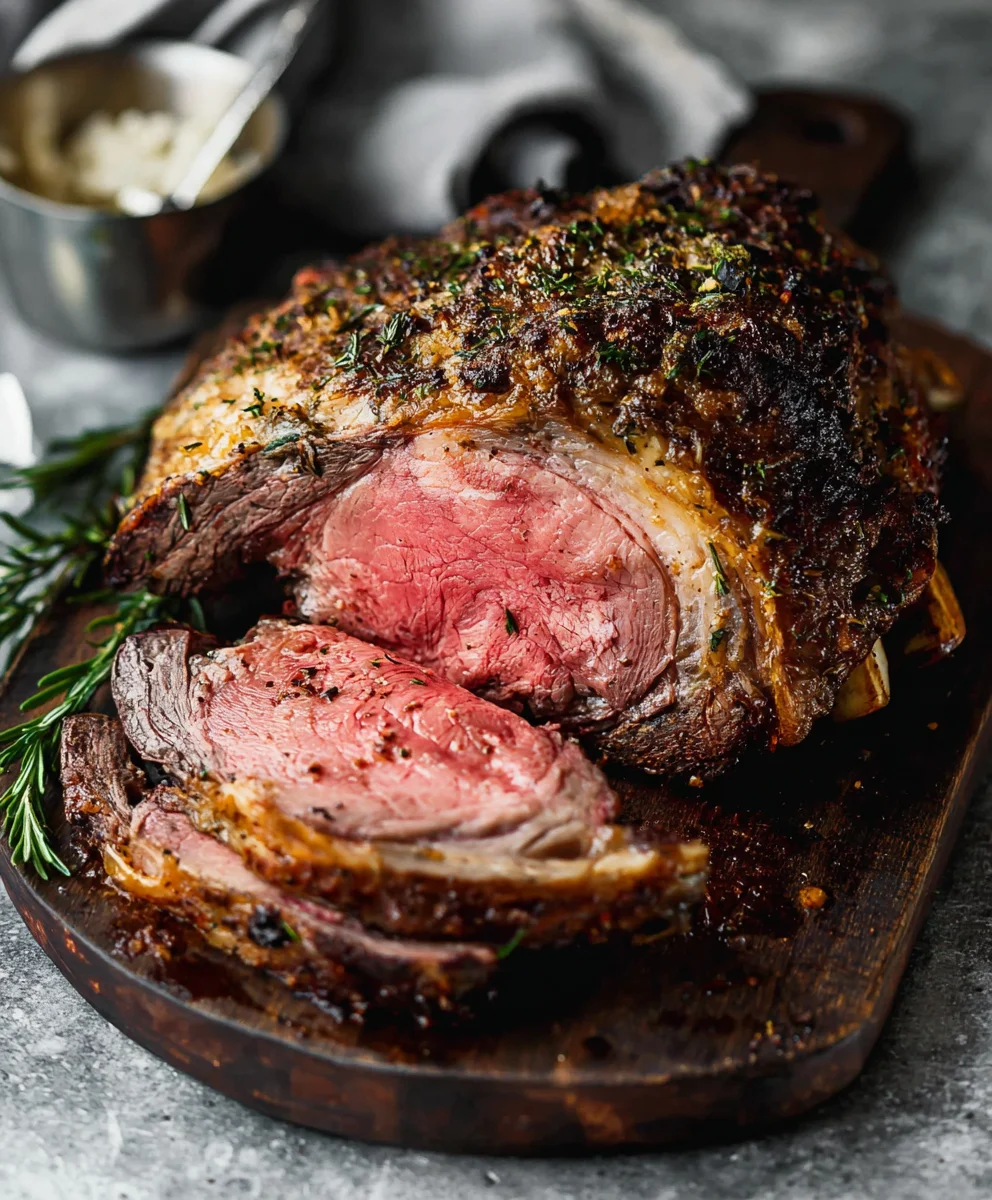
This is perhaps the most important step after roasting: resting the meat. Once your standing rib roast has reached your desired internal temperature, carefully remove it from the oven. Transfer it to a clean cutting board and loosely tent it with aluminum foil. Let it rest for at least 20-30 minutes. This resting period allows the juices, which have been pushed to the center during cooking, to redistribute throughout the roast. If you were to carve it immediately, all those delicious juices would run out onto the cutting board, resulting in a dry roast. After resting, use a sharp carving knife to slice the roast into thick, succulent portions, cutting against the grain.
Optional: Making Gravy
While your roast is resting, you can take advantage of the flavorful drippings in the roasting pan to make a delicious gravy. Carefully pour the drippings into a heatproof bowl, leaving behind any excess fat. You can skim off most of the fat, but a little bit can add flavor. Place the roasting pan back on the stovetop over medium heat. If using beef broth, add about 1 cup to the pan and scrape up any browned bits stuck to the bottom. In a separate small bowl, whisk together the 2 tablespoons of all-purpose flour with a few tablespoons of the beef broth or water to create a smooth slurry. Gradually whisk this slurry into the simmering drippings in the pan. Continue to cook, stirring constantly, until the gravy thickens to your desired consistency. Season with salt and pepper to taste. Serve the gravy hot alongside your perfectly carved standing rib roast.
Conclusion:
And there you have it! You’ve successfully navigated the art of how to cook a standing rib roast, transforming a beautiful cut of beef into a truly impressive centerpiece for any meal. This method ensures a perfectly roasted exterior with a tender, juicy interior that will have your guests raving. Don’t be intimidated by the size of this cut; with clear steps and attention to temperature, you’ll achieve restaurant-quality results right in your own kitchen. Remember, practice makes perfect, and each time you cook a standing rib roast, you’ll gain even more confidence.
When it comes to serving, this magnificent roast pairs beautifully with classic accompaniments like creamy mashed potatoes, roasted root vegetables, or a crisp green salad. A rich gravy made from the pan drippings is practically mandatory! For variations, consider infusing your herb rub with rosemary, thyme, or even a hint of garlic powder for an extra layer of flavor. You can also experiment with different spice blends to suit your palate.
We encourage you to give this recipe a try. The satisfaction of presenting such a spectacular dish is immense, and the flavors are simply unparalleled. So, gather your ingredients, preheat your oven, and get ready to master the standing rib roast. Happy cooking!
Frequently Asked Questions:
Q: How can I tell when my standing rib roast is done?
A: The most accurate way to check for doneness is by using an instant-read meat thermometer. Insert it into the thickest part of the roast, avoiding any bones. For medium-rare, aim for an internal temperature of 130-135°F (54-57°C). For medium, it’s 135-140°F (57-60°C). Remember to let the roast rest for at least 15-20 minutes after removing it from the oven, as the temperature will continue to rise slightly during this resting period.
Q: Can I cook a standing rib roast from frozen?
A: While it’s generally best to cook a standing rib roast from a fully thawed state for even cooking, you can cook it from partially frozen. However, this will significantly increase the cooking time, potentially by 50%. It’s crucial to use a meat thermometer to ensure it reaches the desired internal temperature, and be aware that the results might be slightly less predictable than with a thawed roast.
Perfect Standing Rib Roast Recipe-Easy Guide
An easy guide to roasting a perfect standing rib roast, ensuring a tender and flavorful result every time.
Ingredients
-
1 standing rib roast (also known as a prime rib roast), 3-4 pounds
-
2 tablespoons olive oil
-
1 tablespoon kosher salt
-
1 teaspoon freshly ground black pepper
-
1 teaspoon dried rosemary
-
1 teaspoon dried thyme
-
1 teaspoon garlic powder
-
1/2 teaspoon onion powder
-
1 cup beef broth (for gravy)
-
2 tablespoons all-purpose flour (for gravy)
Instructions
-
Step 1
Remove the rib roast from the refrigerator 2-3 hours before roasting to allow it to reach room temperature (around 50-55°F/10-13°C). This ensures even cooking. -
Step 2
Combine salt, pepper, rosemary, thyme, garlic powder, and onion powder. Drizzle olive oil over the roast and rub the spice blend evenly all over, pressing it in gently. -
Step 3
Preheat oven to 450°F (230°C). Place the seasoned roast, fat side up, on a rack in a shallow roasting pan. Roast for 15 minutes to develop a crust. -
Step 4
Reduce oven temperature to 325°F (160°C) without opening the door. Continue roasting until the internal temperature reaches desired doneness: 120-125°F (49-52°C) for medium-rare, 130-135°F (54-57°C) for medium. Allow about 13-15 minutes per pound. -
Step 5
Remove roast from oven, transfer to a cutting board, and tent loosely with foil. Let rest for at least 20-30 minutes to allow juices to redistribute. Slice thickly against the grain. -
Step 6
Pour drippings from the pan into a bowl, skimming fat. Return pan to stovetop, add beef broth, and scrape browned bits. Whisk in a slurry of flour and broth/water until thickened. Season to taste.
Important Information
Nutrition Facts (Per Serving)
It is important to consider this information as approximate and not to use it as definitive health advice.
Allergy Information
Please check ingredients for potential allergens and consult a health professional if in doubt.
Leave a Comment