

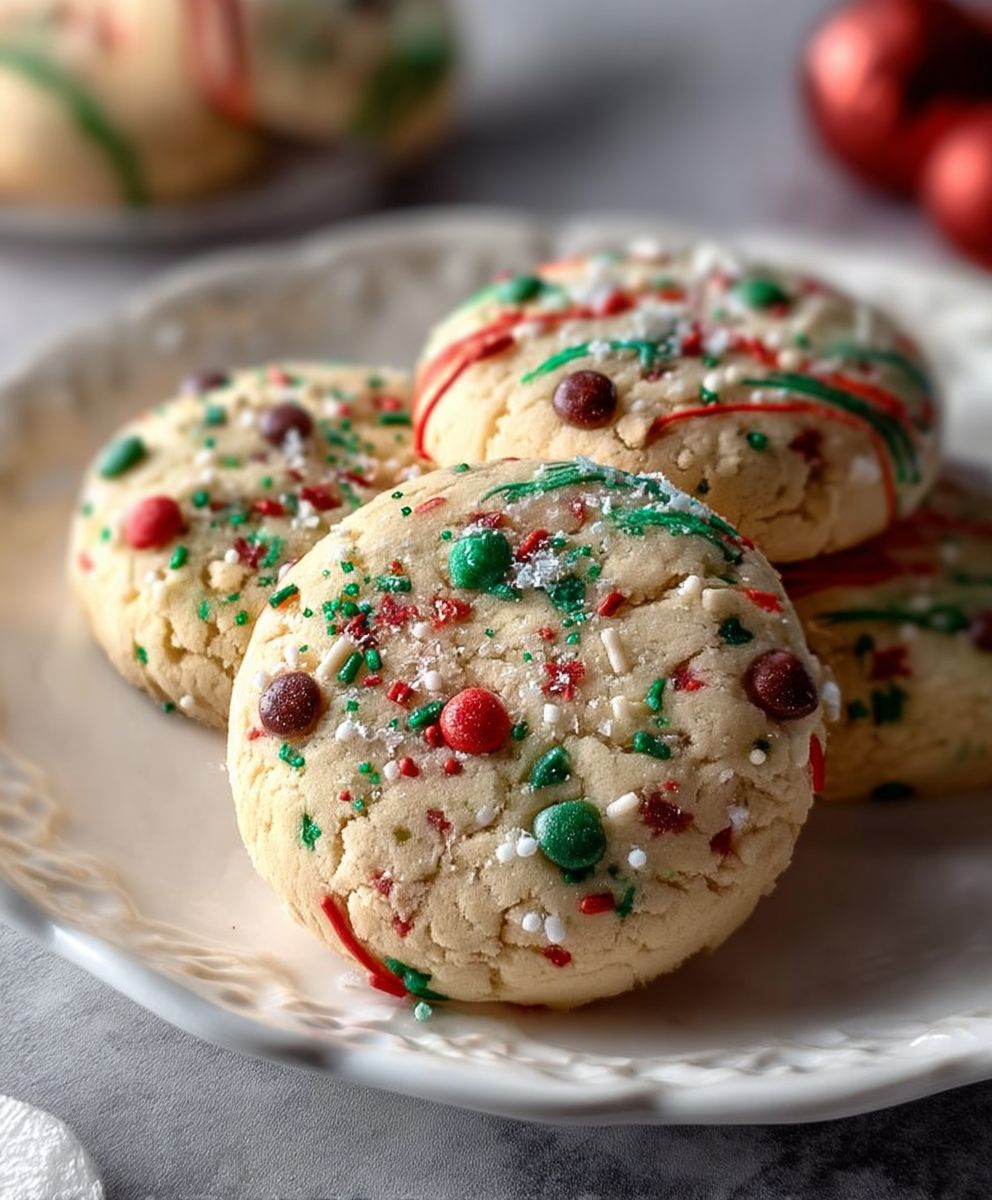
Christmas Sugar Cookies: Is there anything that screams holiday cheer quite like a beautifully decorated sugar cookie? I think not! These aren’t just cookies; they’re edible canvases for festive creativity, a delicious tradition passed down through generations, and a guaranteed way to bring smiles to faces of all ages.
The history of sugar cookies stretches back to the mid-17th century, originating in Nazareth, Pennsylvania, with German Protestant settlers. These early cookies, often plain and simple, were a far cry from the elaborately iced masterpieces we know today. However, their simple sweetness and ability to hold their shape made them perfect for cutting into festive shapes, a tradition that quickly caught on and spread throughout the world.
What is it about Christmas Sugar Cookies that makes them so irresistible? Perhaps it’s the satisfying snap of the cookie, followed by the melt-in-your-mouth sweetness. Or maybe it’s the endless possibilities for decoration from classic sprinkles and royal icing to intricate designs that showcase your artistic flair. Whatever the reason, these cookies are a beloved part of the holiday season, perfect for sharing with loved ones, leaving out for Santa, or simply enjoying as a sweet treat on a cold winter’s night. Get ready to bake up some holiday magic!
Ingredients:
- For the Cookies:
- 3 cups all-purpose flour, plus more for dusting
- 1 teaspoon baking powder
- 1/2 teaspoon baking soda
- 1/4 teaspoon salt
- 1 cup (2 sticks) unsalted butter, softened
- 1 1/2 cups granulated sugar
- 2 large eggs
- 1 teaspoon vanilla extract
- 1/2 teaspoon almond extract (optional, but adds a lovely flavor!)
- For the Royal Icing:
- 4 cups powdered sugar, sifted
- 3 tablespoons meringue powder
- 1/2 cup warm water, plus more as needed
- 1 teaspoon vanilla extract
- Gel food coloring (various colors)
Preparing the Cookie Dough:
Alright, let’s get started with the most important part the cookie dough! This recipe is my go-to for sugar cookies that hold their shape beautifully and taste amazing.
- Combine Dry Ingredients: In a medium bowl, whisk together the flour, baking powder, baking soda, and salt. Whisking ensures everything is evenly distributed, which is key for a consistent cookie texture. Set this aside for now.
- Cream Butter and Sugar: In a large bowl (or the bowl of your stand mixer), cream together the softened butter and granulated sugar until light and fluffy. This usually takes about 3-5 minutes on medium speed. Don’t rush this step! The creaming process incorporates air into the butter and sugar, which helps create a tender cookie. You’ll know it’s ready when the mixture is noticeably lighter in color and has a fluffy texture. Scrape down the sides of the bowl occasionally to ensure everything is evenly mixed.
- Add Eggs and Extracts: Beat in the eggs one at a time, making sure each egg is fully incorporated before adding the next. Then, stir in the vanilla extract and almond extract (if using). The extracts add a wonderful depth of flavor to the cookies, so don’t skip them!
- Gradually Add Dry Ingredients: Gradually add the dry ingredients to the wet ingredients, mixing on low speed until just combined. Be careful not to overmix! Overmixing develops the gluten in the flour, which can result in tough cookies. Mix until the dough just comes together. It’s okay if there are a few streaks of flour remaining.
- Form Dough into Discs and Chill: Divide the dough in half and flatten each half into a disc. Wrap each disc tightly in plastic wrap and refrigerate for at least 2 hours, or preferably overnight. This chilling time is crucial! It allows the gluten to relax, which prevents the cookies from spreading too much in the oven. It also makes the dough easier to roll out.
Rolling, Cutting, and Baking the Cookies:
Now for the fun part shaping our cookies! Make sure you have your favorite cookie cutters ready to go.
- Preheat Oven and Prepare Baking Sheets: Preheat your oven to 350°F (175°C). Line baking sheets with parchment paper or silicone baking mats. This will prevent the cookies from sticking and make cleanup a breeze.
- Roll Out the Dough: On a lightly floured surface, roll out one disc of dough to about 1/4 inch thickness. Keep the remaining dough refrigerated while you work. If the dough is sticking, add a little more flour to your rolling pin and the surface.
- Cut Out Shapes: Use your favorite cookie cutters to cut out shapes from the rolled-out dough. Try to cut the cookies as close together as possible to minimize scraps.
- Place Cookies on Baking Sheets: Carefully transfer the cut-out cookies to the prepared baking sheets, leaving about 1 inch of space between each cookie.
- Re-roll Scraps: Gather the dough scraps, re-roll them, and cut out more cookies.
- Bake: Bake for 8-10 minutes, or until the edges are lightly golden brown. Keep a close eye on them, as they can burn easily. The baking time will vary depending on the size and thickness of your cookies.
- Cool: Let the cookies cool on the baking sheets for a few minutes before transferring them to a wire rack to cool completely. Make sure the cookies are completely cool before you start decorating.
Making the Royal Icing:
Royal icing is the classic choice for decorating sugar cookies. It dries hard and smooth, making it perfect for intricate designs. Don’t be intimidated it’s easier than you think!
- Combine Ingredients: In a large bowl (or the bowl of your stand mixer), combine the sifted powdered sugar and meringue powder. Sifting the powdered sugar is important to remove any lumps and ensure a smooth icing.
- Add Water and Extract: Add the warm water and vanilla extract. Beat on low speed until combined.
- Beat Until Stiff Peaks Form: Increase the speed to medium-high and beat for 5-7 minutes, or until stiff peaks form. The icing should be thick and glossy. To test for stiff peaks, lift the beater out of the icing. The peak of icing that forms should stand straight up without drooping.
- Adjust Consistency: If the icing is too thick, add a little more water, one teaspoon at a time, until you reach the desired consistency. If the icing is too thin, add a little more powdered sugar, one tablespoon at a time.
- Divide and Color: Divide the icing into separate bowls, depending on how many colors you want to use. Add gel food coloring to each bowl, one drop at a time, and stir until you reach the desired shade. Gel food coloring is preferred over liquid food coloring because it’s more concentrated and won’t thin out the icing as much.
- Prepare Piping Bags: Transfer each color of icing to a piping bag fitted with a small round tip (or use a ziplock bag and snip off a tiny corner).
Decorating the Cookies:
This is where your creativity can really shine! Don’t be afraid to experiment with different designs and techniques. And remember, even mistakes can look beautiful!
- Outline the Cookies: Use a slightly thicker consistency of icing (add a tiny bit more powdered sugar if needed) to outline the edges of the cookies. This creates a dam that will prevent the flood icing from running off the edges.
- Flood the Cookies: Use a thinner consistency of icing (add a tiny bit more water if needed) to flood the inside of the outlined cookies. This is called “flood icing.” You can use a toothpick or scribe tool to help spread the icing evenly and pop any air bubbles.
- Add Details: While the flood icing is still wet, you can add details such as sprinkles, edible glitter, or other colors of icing. This is called “wet-on-wet” decorating.
- Let the Icing Dry: Let the icing dry completely before adding any more details or stacking the cookies. This usually takes several hours, or even overnight.
- Add More Details (Optional): Once the base layer of icing is dry, you can add more details with a thicker consistency of icing, such as lines, dots, or intricate patterns.
Tips for Perfect Royal Icing:
- Consistency is Key: The consistency of your royal icing is crucial for successful decorating. You’ll need different consistencies for outlining and flooding.
- Keep Icing Covered: Royal icing dries out quickly, so keep it covered with a damp cloth or plastic wrap when you’re not using it.
- Practice Makes Perfect: Don’t be discouraged if your first attempt isn’t perfect. Decorating sugar cookies takes practice!
- Use a Scribe Tool: A scribe tool (or even a toothpick) is essential for smoothing out the flood icing and popping air bubbles.
- Have Fun! The most important thing is to have fun and enjoy the process!
Storage Instructions:
Once the royal icing is completely dry, store the cookies in an airtight container at room temperature. They will stay fresh for up to a week.
Conclusion:
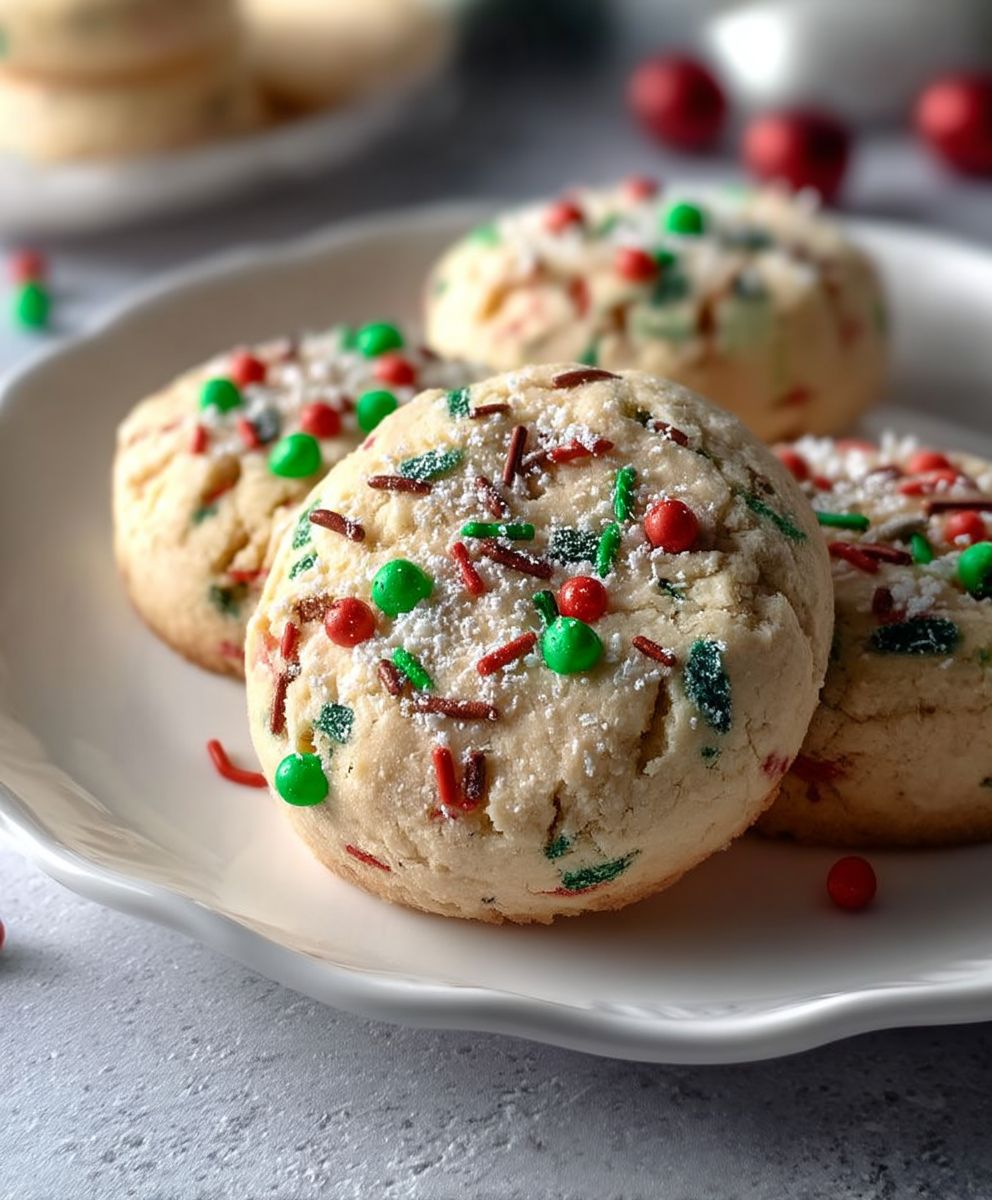
So there you have it! These Christmas Sugar Cookies are more than just a recipe; they’re a gateway to holiday memories, a canvas for your creativity, and a guaranteed crowd-pleaser. I truly believe this is a must-try recipe, not just because they taste amazing (which they absolutely do!), but because of the joy they bring to the baking process and the smiles they create when shared.
Why are these cookies a must-try? Well, first and foremost, the flavor is perfectly balanced sweet, buttery, with just a hint of vanilla that screams “Christmas.” The texture is also spot-on: crisp edges with a soft, chewy center. But beyond the taste and texture, it’s the versatility that really sets this recipe apart. You can use any cookie cutters you like, making them perfect for any holiday or special occasion. And the royal icing? It’s the perfect consistency for decorating, allowing you to create intricate designs or simple, festive patterns.
But the best part? It’s a recipe that’s accessible to everyone. Whether you’re a seasoned baker or a complete beginner, you’ll find this recipe easy to follow and incredibly rewarding. I’ve included all the tips and tricks I’ve learned over the years to ensure your success, from chilling the dough properly to achieving the perfect royal icing consistency.
Now, let’s talk serving suggestions and variations! These cookies are fantastic on their own, of course, but you can also get creative with how you serve them. Imagine a beautiful platter of assorted Christmas Sugar Cookies at your holiday party, or a stack of them tied with a ribbon as a thoughtful homemade gift. You could even use them to decorate a gingerbread house!
For variations, consider adding a touch of citrus zest to the dough for a bright, festive flavor. Orange or lemon zest would work beautifully. You could also experiment with different extracts, such as almond or peppermint. And don’t forget about the sprinkles! There are so many fun and festive sprinkles available, so let your imagination run wild.
Another fun variation is to make sandwich cookies by spreading a layer of buttercream frosting between two cookies. Or, for a more sophisticated touch, you could dip the cookies in melted chocolate and sprinkle them with chopped nuts or sea salt.
I’m so excited for you to try this recipe and create your own Christmas Sugar Cookie masterpieces. I truly believe that baking is a form of therapy, and these cookies are the perfect way to de-stress and get into the holiday spirit.
So, what are you waiting for? Preheat your oven, gather your ingredients, and get ready to bake some magic! And most importantly, don’t forget to have fun. Baking should be enjoyable, so put on some Christmas music, pour yourself a cup of hot cocoa, and let the baking begin.
Once you’ve tried this recipe, I would absolutely love to hear about your experience. Did you make any variations? What were your favorite decorations? Did your family and friends love them as much as I do? Please share your photos and stories in the comments below. I can’t wait to see what you create! Happy baking, and Merry Christmas! I hope you enjoy this Christmas Sugar Cookies recipe as much as I do!
Christmas Sugar Cookies: The Ultimate Guide to Baking & Decorating
Classic sugar cookies decorated with smooth and vibrant royal icing. Perfect for holidays, parties, or any special occasion!
Ingredients
- 3 cups all-purpose flour, plus more for dusting
- 1 teaspoon baking powder
- 1/2 teaspoon baking soda
- 1/4 teaspoon salt
- 1 cup (2 sticks) unsalted butter, softened
- 1 1/2 cups granulated sugar
- 2 large eggs
- 1 teaspoon vanilla extract
- 1/2 teaspoon almond extract (optional)
- 4 cups powdered sugar, sifted
- 3 tablespoons meringue powder
- 1/2 cup warm water, plus more as needed
- 1 teaspoon vanilla extract
- Gel food coloring (various colors)
Instructions
- In a medium bowl, whisk together the flour, baking powder, baking soda, and salt. Set aside.
- In a large bowl (or stand mixer), cream together the softened butter and granulated sugar until light and fluffy (3-5 minutes on medium speed). Scrape down the sides of the bowl occasionally.
- Beat in the eggs one at a time, fully incorporating each before adding the next. Stir in the vanilla extract and almond extract (if using).
- Gradually add the dry ingredients to the wet ingredients, mixing on low speed until just combined. Be careful not to overmix.
- Divide the dough in half and flatten each half into a disc. Wrap each disc tightly in plastic wrap and refrigerate for at least 2 hours, or preferably overnight.
- Preheat oven to 350°F (175°C). Line baking sheets with parchment paper or silicone baking mats.
- On a lightly floured surface, roll out one disc of dough to about 1/4 inch thickness. Keep the remaining dough refrigerated.
- Use cookie cutters to cut out shapes from the rolled-out dough.
- Transfer the cut-out cookies to the prepared baking sheets, leaving about 1 inch of space between each cookie.
- Gather the dough scraps, re-roll them, and cut out more cookies.
- Bake for 8-10 minutes, or until the edges are lightly golden brown.
- Let the cookies cool on the baking sheets for a few minutes before transferring them to a wire rack to cool completely.
- In a large bowl (or stand mixer), combine the sifted powdered sugar and meringue powder.
- Add the warm water and vanilla extract. Beat on low speed until combined.
- Increase the speed to medium-high and beat for 5-7 minutes, or until stiff peaks form.
- If the icing is too thick, add a little more water, one teaspoon at a time. If the icing is too thin, add a little more powdered sugar, one tablespoon at a time.
- Divide the icing into separate bowls, depending on how many colors you want to use. Add gel food coloring to each bowl, one drop at a time, and stir until you reach the desired shade.
- Transfer each color of icing to a piping bag fitted with a small round tip (or use a ziplock bag and snip off a tiny corner).
- Use a slightly thicker consistency of icing to outline the edges of the cookies.
- Use a thinner consistency of icing to flood the inside of the outlined cookies. Use a toothpick or scribe tool to help spread the icing evenly and pop any air bubbles.
- While the flood icing is still wet, you can add details such as sprinkles, edible glitter, or other colors of icing.
- Let the icing dry completely before adding any more details or stacking the cookies. This usually takes several hours, or even overnight.
- Once the base layer of icing is dry, you can add more details with a thicker consistency of icing, such as lines, dots, or intricate patterns.
Notes
- Chilling the dough is crucial to prevent spreading.
- Consistency is key for royal icing. You’ll need different consistencies for outlining and flooding.
- Keep royal icing covered when not in use to prevent it from drying out.
- Use gel food coloring for vibrant colors without thinning the icing too much.
- A scribe tool or toothpick is helpful for smoothing flood icing and popping air bubbles.
- Once the royal icing is completely dry, store the cookies in an airtight container at room temperature. They will stay fresh for up to a week.


Leave a Comment