

Panera Greek Salad: Craving that fresh, vibrant taste of the Mediterranean but don’t want to leave the comfort of your home? I’ve got you covered! Imagine biting into crisp romaine lettuce, juicy tomatoes, briny Kalamata olives, and creamy feta cheese, all tossed in a tangy Greek dressing. This isn’t just a salad; it’s a flavor explosion that will transport your taste buds straight to a sun-drenched Greek island.
The Greek salad, or “Horiatiki salad” as it’s known in Greece, is more than just a dish; it’s a celebration of fresh, local ingredients. Traditionally, it doesn’t even include lettuce! Instead, it focuses on the pure, unadulterated flavors of tomatoes, cucumbers, onions, and olives, all generously drizzled with olive oil and sprinkled with oregano. While Panera’s version offers a delightful twist with the addition of romaine, the essence of the Greek salad remains the same: simple, wholesome goodness.
So, why do people adore a good Panera Greek Salad? It’s the perfect combination of textures and tastes. The crunch of the vegetables, the saltiness of the olives and feta, the sweetness of the tomatoes, and the zing of the dressing create a symphony of flavors that’s both refreshing and satisfying. Plus, it’s incredibly easy to make at home, making it a fantastic option for a quick lunch, a light dinner, or a potluck contribution. Get ready to recreate this restaurant favorite in your own kitchen!
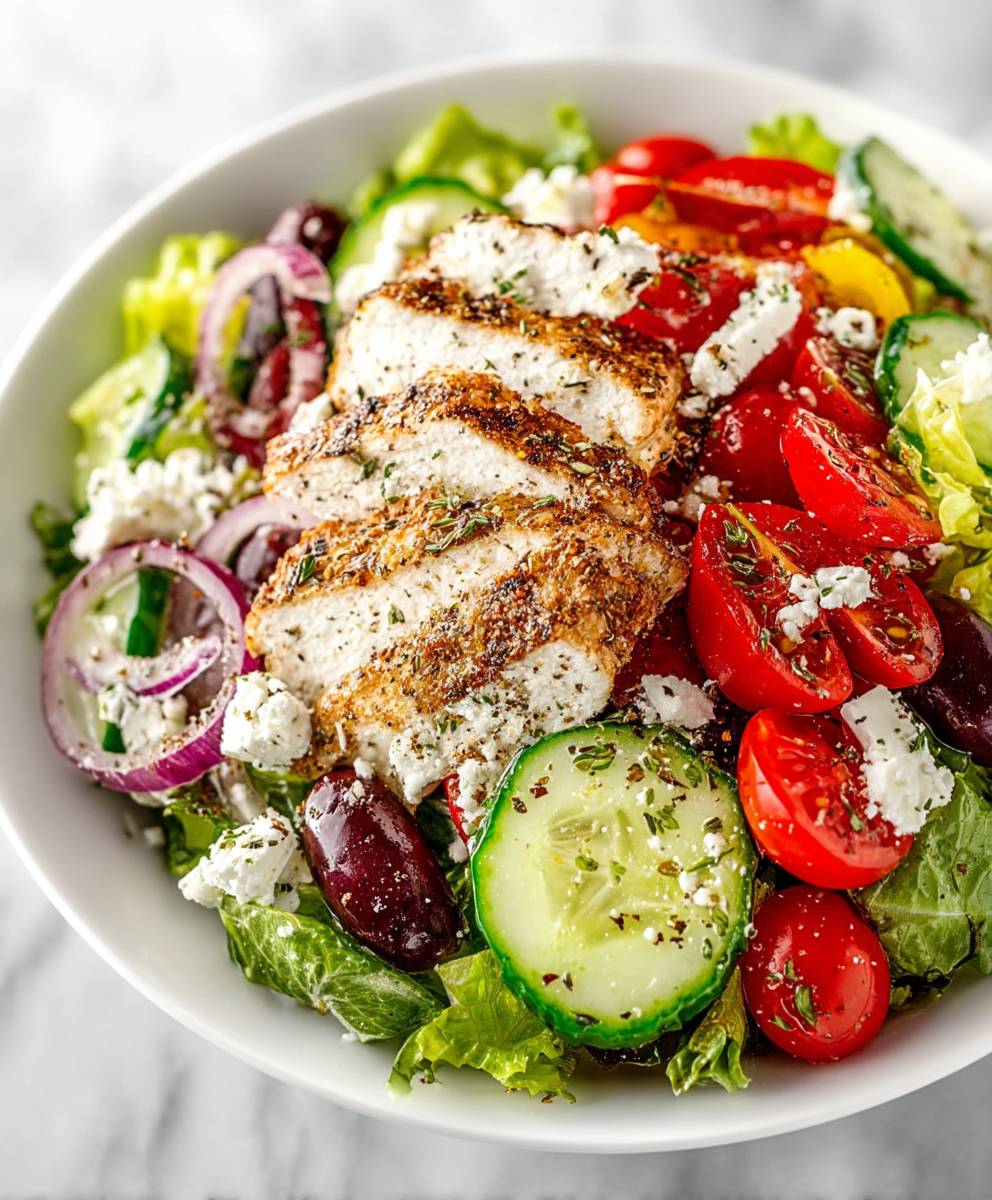
Ingredients:
- For the Salad:
- 1 large romaine lettuce heart, washed and chopped
- 1 English cucumber, peeled, seeded, and diced
- 1 red onion, thinly sliced
- 1 green bell pepper, cored, seeded, and diced
- 1 cup Kalamata olives, pitted and halved
- 1 pint grape tomatoes, halved
- 4 ounces feta cheese, crumbled
- For the Greek Salad Dressing:
- 1/4 cup red wine vinegar
- 1/2 cup extra virgin olive oil
- 1 tablespoon lemon juice, freshly squeezed
- 1 teaspoon dried oregano
- 1/2 teaspoon Dijon mustard
- 1 clove garlic, minced
- 1/4 teaspoon salt, or to taste
- 1/4 teaspoon black pepper, or to taste
- Optional Additions:
- Grilled chicken breast, sliced
- Chickpeas, rinsed and drained
- Pepperoncini peppers
Preparing the Greek Salad Dressing:
Okay, let’s start with the dressing because honestly, a good Greek salad is all about the dressing! I find that making it first allows the flavors to meld together while you prep the rest of the ingredients. Trust me, it makes a difference!
- Combine the wet ingredients: In a medium-sized bowl, whisk together the red wine vinegar, extra virgin olive oil, and lemon juice. Make sure you’re using good quality extra virgin olive oil it really impacts the flavor.
- Add the dry ingredients and flavorings: Add the dried oregano, Dijon mustard, minced garlic, salt, and pepper to the bowl.
- Whisk vigorously: Whisk all the ingredients together until they are well combined and emulsified. You want the dressing to be slightly thickened and not separated. This might take a minute or two of good whisking.
- Taste and adjust: Now, this is the most important part! Taste the dressing and adjust the seasonings to your liking. If it’s too tart, add a tiny bit of honey or sugar. If it needs more zing, add a little more lemon juice. If it’s bland, add a pinch more salt and pepper. Remember, you’re the chef here!
- Let it rest: Cover the bowl with plastic wrap or transfer the dressing to an airtight container and let it sit at room temperature for at least 15 minutes, or even better, in the refrigerator for 30 minutes to an hour. This allows the flavors to really come together.
Preparing the Salad Ingredients:
Now that the dressing is resting and becoming its best self, let’s get all the salad components ready. This is where you can really customize things to your liking. Don’t be afraid to add or subtract ingredients based on what you have on hand or what you prefer.
- Prepare the Romaine Lettuce: Start by washing the romaine lettuce thoroughly. I like to separate the leaves and rinse them under cold running water to remove any dirt or grit. Then, dry the lettuce well using a salad spinner or by patting it dry with paper towels. Chop the lettuce into bite-sized pieces and place it in a large salad bowl.
- Dice the Cucumber: Peel the English cucumber (this helps with digestion, but you can leave the skin on if you prefer). Cut the cucumber in half lengthwise and use a spoon to scrape out the seeds. Dice the cucumber into small, even pieces and add them to the salad bowl.
- Slice the Red Onion: Thinly slice the red onion. If you find red onion too strong, you can soak the slices in cold water for about 10 minutes to mellow out the flavor. Drain the onion and add it to the salad bowl.
- Dice the Green Bell Pepper: Core and seed the green bell pepper. Dice it into small, even pieces and add it to the salad bowl.
- Halve the Kalamata Olives: Pit the Kalamata olives (if they aren’t already pitted) and halve them. Add them to the salad bowl. I love the salty, briny flavor of Kalamata olives in this salad, but you can use other types of olives if you prefer.
- Halve the Grape Tomatoes: Halve the grape tomatoes and add them to the salad bowl. If you’re using larger tomatoes, you can dice them instead.
- Crumble the Feta Cheese: Crumble the feta cheese over the salad. I prefer to use a block of feta and crumble it myself, as it tends to be fresher and more flavorful than pre-crumbled feta.
Assembling the Greek Salad:
Alright, we’re in the home stretch! All the ingredients are prepped, the dressing is ready, and now it’s time to put it all together. This is where the magic happens!
- Add the Dressing: Pour the Greek salad dressing over the salad ingredients in the bowl. Start with about half of the dressing and add more as needed. You don’t want to drown the salad, but you want to make sure everything is nicely coated.
- Toss Gently: Gently toss the salad to combine all the ingredients and evenly distribute the dressing. Be careful not to over-toss, as this can bruise the lettuce and make the salad soggy.
- Add Optional Ingredients (if using): If you’re adding grilled chicken, chickpeas, or pepperoncini peppers, now is the time to do it. Add them to the salad and toss gently to combine.
- Serve Immediately: Serve the Greek salad immediately. It’s best when it’s fresh and the lettuce is still crisp. If you’re not serving it right away, you can store the salad and dressing separately in the refrigerator and combine them just before serving.
Tips for the Best Greek Salad:
- Use Fresh, High-Quality Ingredients: The key to a great Greek salad is using fresh, high-quality ingredients. Choose ripe tomatoes, crisp lettuce, and flavorful feta cheese.
- Don’t Overdress the Salad: Be careful not to overdress the salad, as this can make it soggy. Start with a small amount of dressing and add more as needed.
- Adjust the Seasonings to Your Liking: Taste the dressing and adjust the seasonings to your liking. Don’t be afraid to experiment with different herbs and spices.
- Serve Immediately: Greek salad is best when it’s fresh and the lettuce is still crisp. Serve it immediately after assembling.
- Make it a Meal: Add grilled chicken, chickpeas, or other protein to make it a complete meal.
Variations:
- Add Different Vegetables: Feel free to add other vegetables to your Greek salad, such as bell peppers, carrots, or celery.
- Use Different Types of Olives: If you don’t like Kalamata olives, you can use other types of olives, such as green olives or black olives.
- Add Herbs: Experiment with different herbs, such as fresh mint or dill.
- Make it Spicy: Add a pinch of red pepper flakes to the dressing for a little heat.
- Vegan Greek Salad: Omit the feta cheese or use a vegan feta alternative.
Enjoy your delicious and refreshing homemade Greek salad! I hope you love it as much as I do!
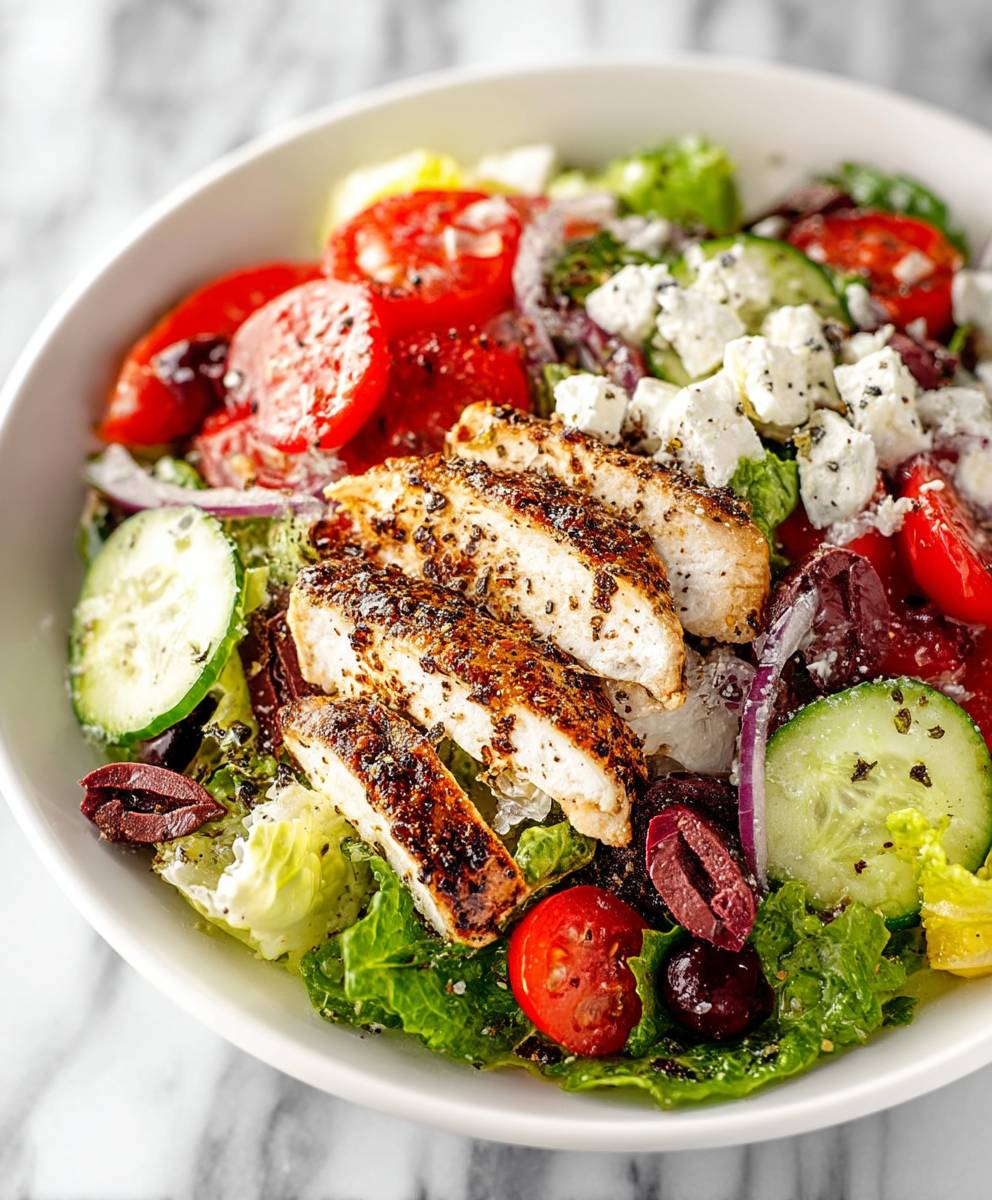
Conclusion:
So, there you have it! This isn’t just another salad recipe; it’s your passport to a vibrant, flavorful, and incredibly satisfying meal. I truly believe this Panera Greek Salad recreation is a must-try for anyone looking to add a healthy and delicious option to their lunch or dinner rotation. It’s quick to assemble, packed with fresh ingredients, and bursting with that signature Greek flavor we all crave.
But why is it a must-try, you ask? Beyond the incredible taste, it’s the versatility that really shines. It’s perfect as a light lunch on a warm day, a refreshing side dish at a barbecue, or even a complete meal when you add some grilled chicken, shrimp, or chickpeas for extra protein. The combination of crisp vegetables, salty feta, tangy dressing, and those Kalamata olives it’s simply irresistible!
And speaking of versatility, let’s talk about some serving suggestions and variations to make this Panera Greek Salad your own. Feel free to experiment with different types of lettuce romaine, mixed greens, or even spinach would work beautifully. If you’re not a fan of cucumbers, you can easily substitute them with bell peppers for a bit of extra crunch and sweetness.
For a heartier meal, consider adding some grilled halloumi cheese. Its salty, slightly chewy texture pairs perfectly with the other ingredients. Or, if you’re looking for a vegan option, simply omit the feta cheese and add some marinated tofu or tempeh for a similar savory element.
The dressing is also incredibly adaptable. While I’ve provided my go-to recipe, you can adjust the ratios of olive oil, lemon juice, and oregano to suit your personal preferences. A touch of Dijon mustard can add a subtle tang, while a pinch of red pepper flakes can bring a welcome hint of heat.
Another great serving suggestion is to pair this salad with some warm pita bread or crusty baguette for dipping into the delicious dressing. You can also use it as a filling for pita pockets or wraps for a quick and easy lunch on the go.
Honestly, the possibilities are endless! This Panera Greek Salad is a blank canvas for your culinary creativity. Don’t be afraid to experiment with different ingredients and flavors to create your own signature version.
I’m so confident that you’ll love this recipe, and I truly encourage you to give it a try. It’s a simple, satisfying, and incredibly delicious way to enjoy a healthy and flavorful meal.
Once you’ve made it, I’d absolutely love to hear about your experience! Did you make any modifications? What did you serve it with? What did your family and friends think? Share your thoughts, photos, and variations in the comments below. I’m always eager to learn from your culinary adventures and see how you’ve made this recipe your own. Happy cooking, and enjoy your delicious and refreshing Panera Greek Salad! I can’t wait to hear all about it!
Panera Greek Salad: A Delicious and Healthy Recipe
Classic Greek salad with romaine, fresh veggies, Kalamata olives, and feta, tossed in tangy homemade Greek dressing.
Ingredients
- 1 large romaine lettuce heart, washed and chopped
- 1 English cucumber, peeled, seeded, and diced
- 1 red onion, thinly sliced
- 1 green bell pepper, cored, seeded, and diced
- 1 cup Kalamata olives, pitted and halved
- 1 pint grape tomatoes, halved
- 4 ounces feta cheese, crumbled
- 1/4 cup red wine vinegar
- 1/2 cup extra virgin olive oil
- 1 tablespoon lemon juice, freshly squeezed
- 1 teaspoon dried oregano
- 1/2 teaspoon Dijon mustard
- 1 clove garlic, minced
- 1/4 teaspoon salt, or to taste
- 1/4 teaspoon black pepper, or to taste
Instructions
- Prepare the Greek Salad Dressing: In a medium-sized bowl, whisk together the red wine vinegar, extra virgin olive oil, and lemon juice. Add the dried oregano, Dijon mustard, minced garlic, salt, and pepper. Whisk until well combined and emulsified. Taste and adjust seasonings as needed. Let it rest at room temperature for at least 15 minutes, or in the refrigerator for 30 minutes to an hour.
- Prepare the Romaine Lettuce: Wash the romaine lettuce thoroughly. Dry the lettuce well using a salad spinner or by patting it dry with paper towels. Chop the lettuce into bite-sized pieces and place it in a large salad bowl.
- Dice the Cucumber: Peel the English cucumber (this helps with digestion, but you can leave the skin on if you prefer). Cut the cucumber in half lengthwise and use a spoon to scrape out the seeds. Dice the cucumber into small, even pieces and add them to the salad bowl.
- Slice the Red Onion: Thinly slice the red onion. If you find red onion too strong, you can soak the slices in cold water for about 10 minutes to mellow out the flavor. Drain the onion and add it to the salad bowl.
- Dice the Green Bell Pepper: Core and seed the green bell pepper. Dice it into small, even pieces and add it to the salad bowl.
- Halve the Kalamata Olives: Pit the Kalamata olives (if they aren’t already pitted) and halve them. Add them to the salad bowl.
- Halve the Grape Tomatoes: Halve the grape tomatoes and add them to the salad bowl. If you’re using larger tomatoes, you can dice them instead.
- Crumble the Feta Cheese: Crumble the feta cheese over the salad.
- Assemble the Greek Salad: Pour the Greek salad dressing over the salad ingredients in the bowl. Start with about half of the dressing and add more as needed.
- Toss Gently: Gently toss the salad to combine all the ingredients and evenly distribute the dressing.
- Add Optional Ingredients (if using): If you’re adding grilled chicken, chickpeas, or pepperoncini peppers, now is the time to do it. Add them to the salad and toss gently to combine.
- Serve Immediately: Serve the Greek salad immediately. It’s best when it’s fresh and the lettuce is still crisp. If you’re not serving it right away, you can store the salad and dressing separately in the refrigerator and combine them just before serving.
Notes
- Use fresh, high-quality ingredients for the best flavor.
- Don’t overdress the salad.
- Adjust the seasonings in the dressing to your liking.
- Serve immediately for the crispiest lettuce.
- Add grilled chicken, chickpeas, or other protein to make it a complete meal.

Leave a Comment