

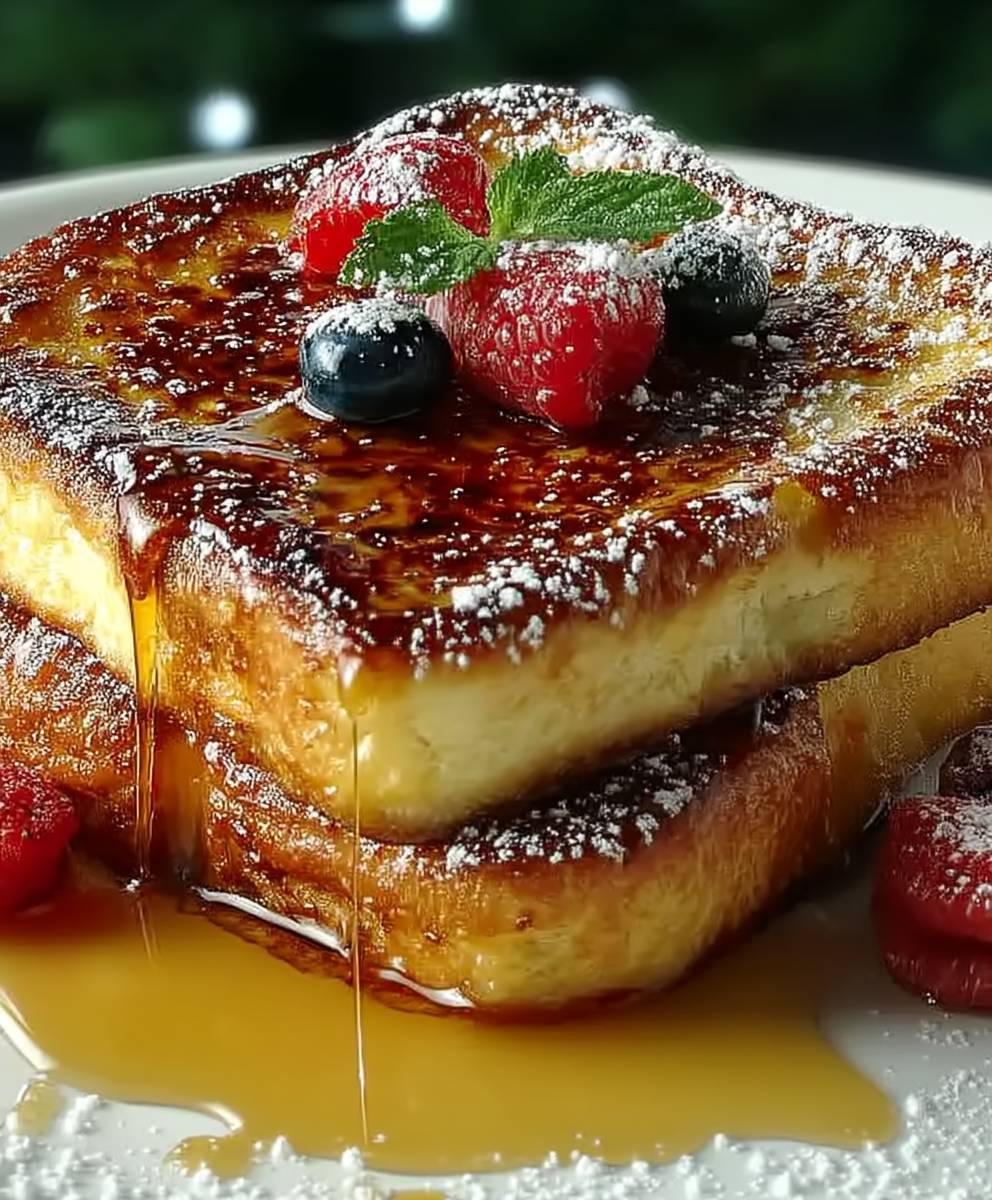
Creme brulee french toast: just the name alone conjures up images of decadent weekend brunches and special occasion breakfasts, doesn’t it? But what if I told you that you could bring that luxurious experience into your own kitchen, any day of the week? Forget the long lines at fancy restaurants; with this recipe, you’re just a few simple steps away from a truly unforgettable morning treat.
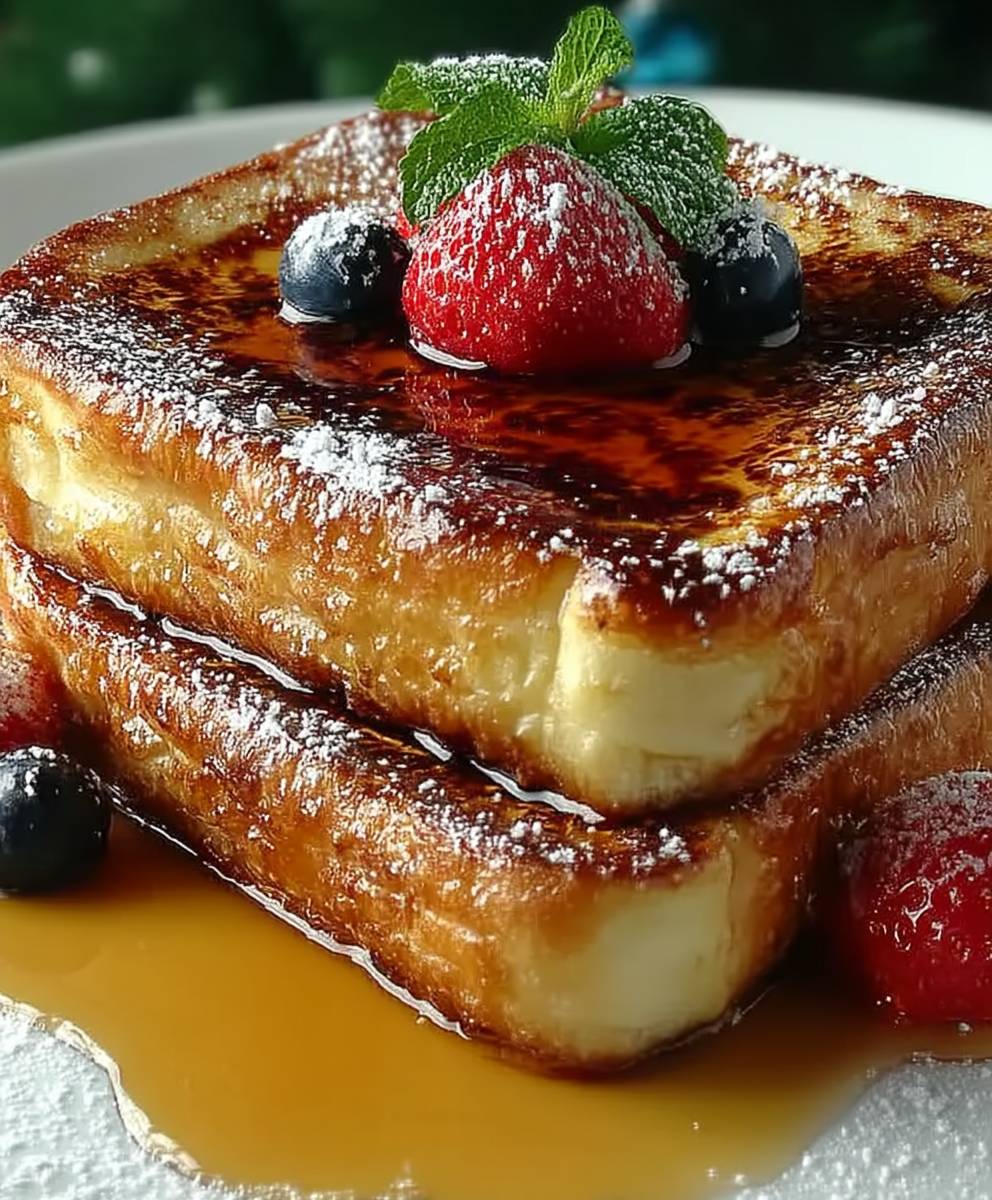
While the exact origins of French toast are debated (some trace it back to ancient Rome!), its modern iteration has become a beloved staple worldwide. The addition of the creme brulee element elevates it to a whole new level. Think of it as a delightful marriage between the comforting familiarity of French toast and the sophisticated elegance of a classic French dessert. The crispy, caramelized sugar crust gives way to a soft, custard-soaked interior a textural and flavor masterpiece!
People adore this dish for so many reasons. The contrasting textures are incredibly satisfying, and the rich, sweet flavor is undeniably addictive. Plus, creme brulee french toast is surprisingly versatile. You can customize it with your favorite toppings, from fresh berries and whipped cream to a drizzle of maple syrup or a dusting of powdered sugar. It’s the perfect way to impress guests or simply treat yourself to something truly special. So, are you ready to transform your breakfast routine? Let’s get started!
Ingredients:
- For the Custard Base:
- 2 cups heavy cream
- 1 cup whole milk
- 1 vanilla bean, split lengthwise and seeds scraped (or 1 tablespoon vanilla extract)
- 6 large egg yolks
- 1/2 cup granulated sugar
- Pinch of salt
- For the French Toast:
- 1 loaf challah bread, brioche, or Texas toast, cut into 1-inch thick slices (about 8-10 slices)
- Unsalted butter, for greasing the pan
- For the Caramelized Sugar Topping:
- 1/2 cup granulated sugar, plus more for sprinkling
- Optional Garnishes:
- Fresh berries (strawberries, raspberries, blueberries)
- Powdered sugar
- Maple syrup
- Whipped cream
Preparing the Custard Base:
- Infuse the Cream: In a medium saucepan, combine the heavy cream, whole milk, vanilla bean pod and seeds (or vanilla extract add this later if not using the bean), and salt. Heat over medium heat until the mixture just begins to simmer. Do not boil! You want to see small bubbles forming around the edges. Remove from heat. If using a vanilla bean, cover the saucepan and let it steep for 30 minutes to an hour to allow the vanilla flavor to fully infuse into the cream. This step is crucial for that authentic crème brûlée flavor. If using vanilla extract, skip the steeping process.
- Whisk the Egg Yolks and Sugar: While the cream is steeping (or immediately if using vanilla extract), in a separate medium bowl, whisk together the egg yolks and granulated sugar until the mixture is pale yellow and slightly thickened. This usually takes about 2-3 minutes of vigorous whisking. This step is important to prevent the yolks from scrambling when you add the hot cream.
- Temper the Egg Yolks: This is a critical step to prevent scrambled eggs! Slowly drizzle a small amount (about 1/4 cup) of the warm cream mixture into the egg yolk mixture, whisking constantly and vigorously. This will gradually raise the temperature of the egg yolks. Repeat this process, adding another 1/4 cup of the warm cream mixture while continuing to whisk.
- Combine the Mixtures: Once the egg yolks are tempered, slowly pour the tempered egg yolk mixture into the saucepan with the remaining warm cream mixture, whisking constantly.
- Cook the Custard: Place the saucepan over low heat and cook, stirring constantly with a wooden spoon or heat-resistant spatula, until the custard thickens slightly and coats the back of the spoon. To test for doneness, dip the back of the spoon into the custard and run your finger across the coated spoon. If the line holds and doesn’t immediately run back together, the custard is ready. Be careful not to overheat the custard, as it can curdle. The ideal temperature is around 170-175°F (77-79°C). If using a vanilla bean, remove it at this point. If you haven’t added vanilla extract yet, stir it in now.
- Strain the Custard: Pour the custard through a fine-mesh sieve into a clean bowl. This will remove any lumps or cooked egg particles, resulting in a smooth and silky custard.
- Chill the Custard: Cover the bowl with plastic wrap, pressing the plastic wrap directly onto the surface of the custard to prevent a skin from forming. Refrigerate for at least 2 hours, or preferably overnight, to allow the custard to fully chill and thicken. This chilling time is essential for the French toast to properly soak up the custard.
Soaking the Bread:
- Prepare the Bread: Arrange the challah, brioche, or Texas toast slices in a single layer in a large baking dish or on a baking sheet. Make sure the slices are not overlapping.
- Pour the Custard Over the Bread: Pour the chilled custard evenly over the bread slices, making sure each slice is thoroughly soaked. You may need to gently press the bread slices down into the custard to ensure they are fully submerged.
- Soak the Bread: Cover the baking dish with plastic wrap and refrigerate for at least 30 minutes, or up to 2 hours, allowing the bread to soak up the custard. The longer the bread soaks, the richer and more decadent the French toast will be. However, be careful not to soak it for too long, as it can become soggy. I find that 1 hour is the sweet spot.
Cooking the French Toast:
- Heat the Pan: Heat a large skillet or griddle over medium heat. Add a tablespoon of butter to the pan and let it melt completely, coating the surface evenly. You may need to add more butter as you cook the French toast to prevent sticking.
- Cook the French Toast: Carefully lift each soaked bread slice from the custard and place it in the hot skillet. Do not overcrowd the pan; cook in batches if necessary.
- Cook Each Side: Cook the French toast for 3-4 minutes per side, or until golden brown and cooked through. The internal temperature should reach 165°F (74°C). If the French toast is browning too quickly, reduce the heat to medium-low.
- Keep Warm: As the French toast is cooked, transfer it to a baking sheet and keep it warm in a preheated oven at 200°F (93°C) until ready to serve.
Caramelizing the Sugar Topping:
- Prepare the Sugar: This step is best done right before serving, as the caramelized sugar topping is best when fresh. Have your crème brûlée torch ready.
- Sprinkle with Sugar: Sprinkle a thin, even layer of granulated sugar over the top of each piece of cooked French toast. You want a generous but not overly thick layer of sugar.
- Caramelize the Sugar: Using a kitchen torch, carefully caramelize the sugar by moving the flame back and forth over the surface until it melts and turns a deep golden brown color. Be careful not to burn the sugar. If you don’t have a kitchen torch, you can broil the French toast in the oven for a minute or two, watching it very closely to prevent burning. However, a torch gives the best results.
- Let Cool Slightly: Allow the caramelized sugar to cool and harden slightly before serving. This will create that signature crème brûlée crackle.
Serving and Garnishing:
- Plate the French Toast: Arrange the crème brûlée French toast on plates.
- Garnish (Optional): Garnish with fresh berries, powdered sugar, maple syrup, or whipped cream, if desired. I personally love a few fresh raspberries and a light dusting of powdered sugar.
- Serve Immediately: Serve the crème brûlée French toast immediately while the caramelized sugar is still warm and crisp. Enjoy!
Conclusion:
And there you have it! This Crème brûlée French toast recipe is truly something special, transforming a breakfast staple into a decadent treat that’s surprisingly easy to make. If you’re looking for a way to impress your brunch guests, elevate a weekend breakfast, or simply indulge in a little bit of luxury, this is the recipe for you. It’s the perfect balance of crispy, caramelized sugar and soft, custardy bread, creating a symphony of textures and flavors that will leave you wanting more.
Why is this a must-try? Because it takes the familiar comfort of French toast and elevates it to a whole new level. The crème brûlée topping adds a touch of elegance and sophistication, making it feel like you’re dining in a fancy restaurant, all from the comfort of your own kitchen. Plus, it’s a fantastic way to use up any leftover bread you might have lying around. No more stale bread going to waste!
But the best part? It’s incredibly versatile. While the recipe as written is divine, feel free to experiment with different variations to suit your taste.
Serving Suggestions & Variations:
* Berry Bliss: Top your crème brûlée French toast with fresh berries like raspberries, blueberries, or strawberries for a burst of fruity flavor and a pop of color. A dollop of whipped cream wouldn’t hurt either!
* Nutty Delight: Sprinkle chopped nuts like pecans, walnuts, or almonds over the caramelized sugar for added crunch and a nutty aroma.
* Chocolate Indulgence: Drizzle with melted chocolate or chocolate sauce for an extra decadent treat. You could even add chocolate chips to the custard mixture before dipping the bread.
* Spiced Up: Add a pinch of cinnamon, nutmeg, or cardamom to the custard mixture for a warm and comforting flavor.
* Boozy Brunch: For an adults-only brunch, add a splash of rum, brandy, or Grand Marnier to the custard mixture. Just be sure to cook off the alcohol completely.
* Savory Twist: While traditionally sweet, you could experiment with savory variations by using a cheese-infused bread and topping it with herbs and a sprinkle of parmesan cheese before caramelizing.
Don’t be intimidated by the crème brûlée aspect; it’s much simpler than you might think. The key is to use a kitchen torch to caramelize the sugar, creating that signature crispy topping. If you don’t have a kitchen torch, you can try broiling it in the oven, but keep a close eye on it to prevent burning.
I truly believe that this Crème brûlée French toast will become a new favorite in your household. It’s a crowd-pleaser, a showstopper, and a guaranteed way to start your day off right.
So, what are you waiting for? Gather your ingredients, preheat your pan, and get ready to experience the magic of crème brûlée French toast. I’m confident that you’ll love it as much as I do.
And most importantly, I’d love to hear about your experience! Once you’ve tried this recipe, please come back and leave a comment below. Let me know what variations you tried, what you thought of the recipe, and any tips or tricks you discovered along the way. Sharing your feedback helps me improve the recipe and inspires other readers to give it a try. Happy cooking (and eating)!
Creme Brulee French Toast: The Ultimate Decadent Breakfast Recipe
Challah bread soaked in a rich vanilla custard, pan-fried to golden perfection, and topped with a crisp, caramelized sugar crust. A decadent breakfast or brunch treat.
Ingredients
- 2 cups heavy cream
- 1 cup whole milk
- 1 vanilla bean, split lengthwise and seeds scraped (or 1 tablespoon vanilla extract)
- 6 large egg yolks
- 1/2 cup granulated sugar
- Pinch of salt
- 1 loaf challah bread, brioche, or Texas toast, cut into 1-inch thick slices (about 8-10 slices)
- Unsalted butter, for greasing the pan
- 1/2 cup granulated sugar, plus more for sprinkling
- Fresh berries (strawberries, raspberries, blueberries)
- Powdered sugar
- Maple syrup
- Whipped cream
Instructions
- Infuse the Cream: In a medium saucepan, combine the heavy cream, whole milk, vanilla bean pod and seeds (or vanilla extract add this later if not using the bean), and salt. Heat over medium heat until the mixture just begins to simmer. Do not boil! You want to see small bubbles forming around the edges. Remove from heat. If using a vanilla bean, cover the saucepan and let it steep for 30 minutes to an hour to allow the vanilla flavor to fully infuse into the cream. This step is crucial for that authentic crème brûlée flavor. If using vanilla extract, skip the steeping process.
- Whisk the Egg Yolks and Sugar: While the cream is steeping (or immediately if using vanilla extract), in a separate medium bowl, whisk together the egg yolks and granulated sugar until the mixture is pale yellow and slightly thickened. This usually takes about 2-3 minutes of vigorous whisking. This step is important to prevent the yolks from scrambling when you add the hot cream.
- Temper the Egg Yolks: This is a critical step to prevent scrambled eggs! Slowly drizzle a small amount (about 1/4 cup) of the warm cream mixture into the egg yolk mixture, whisking constantly and vigorously. This will gradually raise the temperature of the egg yolks. Repeat this process, adding another 1/4 cup of the warm cream mixture while continuing to whisk.
- Combine the Mixtures: Once the egg yolks are tempered, slowly pour the tempered egg yolk mixture into the saucepan with the remaining warm cream mixture, whisking constantly.
- Cook the Custard: Place the saucepan over low heat and cook, stirring constantly with a wooden spoon or heat-resistant spatula, until the custard thickens slightly and coats the back of the spoon. To test for doneness, dip the back of the spoon into the custard and run your finger across the coated spoon. If the line holds and doesn’t immediately run back together, the custard is ready. Be careful not to overheat the custard, as it can curdle. The ideal temperature is around 170-175°F (77-79°C). If using a vanilla bean, remove it at this point. If you haven’t added vanilla extract yet, stir it in now.
- Strain the Custard: Pour the custard through a fine-mesh sieve into a clean bowl. This will remove any lumps or cooked egg particles, resulting in a smooth and silky custard.
- Chill the Custard: Cover the bowl with plastic wrap, pressing the plastic wrap directly onto the surface of the custard to prevent a skin from forming. Refrigerate for at least 2 hours, or preferably overnight, to allow the custard to fully chill and thicken. This chilling time is essential for the French toast to properly soak up the custard.
- Prepare the Bread: Arrange the challah, brioche, or Texas toast slices in a single layer in a large baking dish or on a baking sheet. Make sure the slices are not overlapping.
- Pour the Custard Over the Bread: Pour the chilled custard evenly over the bread slices, making sure each slice is thoroughly soaked. You may need to gently press the bread slices down into the custard to ensure they are fully submerged.
- Soak the Bread: Cover the baking dish with plastic wrap and refrigerate for at least 30 minutes, or up to 2 hours, allowing the bread to soak up the custard. The longer the bread soaks, the richer and more decadent the French toast will be. However, be careful not to soak it for too long, as it can become soggy. I find that 1 hour is the sweet spot.
- Heat the Pan: Heat a large skillet or griddle over medium heat. Add a tablespoon of butter to the pan and let it melt completely, coating the surface evenly. You may need to add more butter as you cook the French toast to prevent sticking.
- Cook the French Toast: Carefully lift each soaked bread slice from the custard and place it in the hot skillet. Do not overcrowd the pan; cook in batches if necessary.
- Cook Each Side: Cook the French toast for 3-4 minutes per side, or until golden brown and cooked through. The internal temperature should reach 165°F (74°C). If the French toast is browning too quickly, reduce the heat to medium-low.
- Keep Warm: As the French toast is cooked, transfer it to a baking sheet and keep it warm in a preheated oven at 200°F (93°C) until ready to serve.
- Prepare the Sugar: This step is best done right before serving, as the caramelized sugar topping is best when fresh. Have your crème brûlée torch ready.
- Sprinkle with Sugar: Sprinkle a thin, even layer of granulated sugar over the top of each piece of cooked French toast. You want a generous but not overly thick layer of sugar.
- Caramelize the Sugar: Using a kitchen torch, carefully caramelize the sugar by moving the flame back and forth over the surface until it melts and turns a deep golden brown color. Be careful not to burn the sugar. If you don’t have a kitchen torch, you can broil the French toast in the oven for a minute or two, watching it very closely to prevent burning. However, a torch gives the best results.
- Let Cool Slightly: Allow the caramelized sugar to cool and harden slightly before serving. This will create that signature crème brûlée crackle.
- Plate the French Toast: Arrange the crème brûlée French toast on plates.
- Garnish (Optional): Garnish with fresh berries, powdered sugar, maple syrup, or whipped cream, if desired. I personally love a few fresh raspberries and a light dusting of powdered sugar.
- Serve Immediately: Serve the crème brûlée French toast immediately while the caramelized sugar is still warm and crisp. Enjoy!
Notes
- Bread Choice: Challah, brioche, or Texas toast work best because they are sturdy and absorb the custard well without falling apart.
- Vanilla Bean vs. Extract: Using a vanilla bean provides a richer, more complex flavor. If using extract, add it after cooking the custard.
- Tempering the Eggs: This is crucial to prevent scrambled eggs. Drizzle the warm cream into the egg yolks slowly while whisking vigorously.
- Custard Consistency: The custard should thicken enough to coat the back of a spoon. Be careful not to overheat it.
- Soaking Time: Soaking the bread for at least 30 minutes (up to 2 hours) is essential for a rich, decadent French toast. Don’t over-soak, or it will become soggy.
- Caramelizing the Sugar: A kitchen torch provides the best results for a crisp, even caramelization. If using a broiler, watch it very carefully to prevent burning.
- Serving: Serve immediately for the best texture and flavor.


Leave a Comment