

Mandarin Orange Marmalade bursting with sunshine is what I love making on a crisp autumn day. This marmalade captures the bright, sweet scent of mandarin oranges, with a little something extra from the dried cranberries. It’s a simple recipe that brings a bit of sunshine to your toast, scones, or even yogurt. The Meyer lemon adds a subtle floral note and just enough tartness to balance the sweetness. What makes this Mandarin Orange Marmalade special is the addition of dried cranberries, which add a chewy texture and a tart counterpoint to the sweet citrus. We’re using Halo mandarins because they are seedless and very juicy, making them ideal for marmalade. Preparing the Fruit The first step is to get your citrus ready. Wash the mandarin oranges and the Meyer lemon thoroughly under cool running water. For the mandarin oranges, you’ll want to peel them. Try to get as much of the white pith off as you can, as this can make the marmalade bitter. Once peeled, slice the mandarins into thin rounds, then quarter those rounds. This gives you nice little bite-sized pieces of mandarin in the finished marmalade. For the Meyer lemon, halve it and then slice it very thinly. Again, remove any seeds you find. The rind of the lemon will be cooked down, adding a lovely aromatic quality. Don’t discard the pith entirely; it has pectin, which helps the marmalade set.
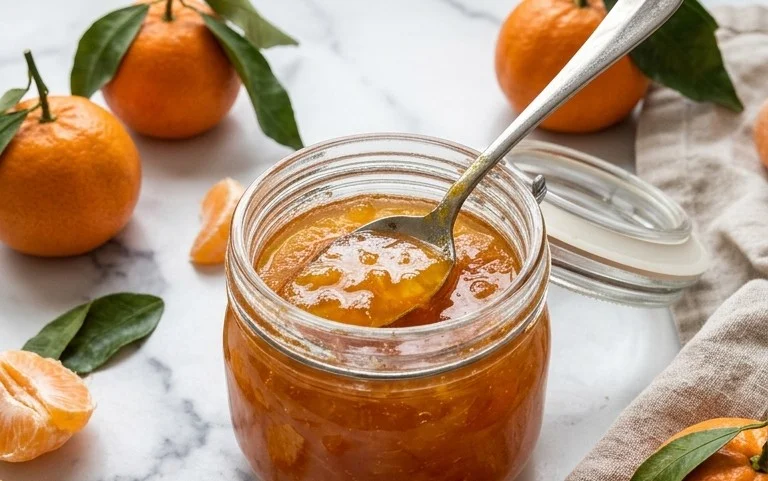
Ingredients:
- 1/4 cup chopped dried cranberries
- 1 Meyer lemon
- 3 Halo mandarin oranges
- 1 cup of water
- 1 1/4 cups sugar
Mandarin Orange Marmalade
This marmalade captures the bright, sweet scent of mandarin oranges, with a little something extra from the dried cranberries. It’s a simple recipe that brings a bit of sunshine to your toast, scones, or even yogurt. The Meyer lemon adds a subtle floral note and just enough tartness to balance the sweetness.
Preparing the Fruit
The first step is to get your citrus ready. I like to use Halo mandarins because they are seedless and very juicy, making them ideal for marmalade. Wash the mandarin oranges and the Meyer lemon thoroughly under cool running water. For the mandarin oranges, you’ll want to peel them. Try to get as much of the white pith off as you can, as this can make the marmalade bitter. Once peeled, I like to slice the mandarins into thin rounds, then quarter those rounds. This gives you nice little bite-sized pieces of mandarin in the finished marmalade.
For the Meyer lemon, you’ll want to halve it and then slice it very thinly. Again, remove any seeds you find. The rind of the lemon will be cooked down, adding a lovely aromatic quality. Don’t discard the pith entirely; it has pectin, which helps the marmalade set.
Cooking the Marmalade
Now that your fruit is prepped, it’s time to start cooking. In a heavy-bottomed saucepan, combine the prepared mandarin oranges and the sliced Meyer lemon. Add the 1 cup of water to the pot. Bring this mixture to a boil over medium-high heat, then reduce the heat to low, cover the pot, and let it simmer gently for about 1 hour. This long simmer allows the fruit to soften considerably and the rinds to become tender. Stir occasionally to prevent anything from sticking to the bottom of the pan. You’ll notice the liquid start to thicken slightly and the fruit will become translucent.
After the hour of simmering, uncover the pot. Add the 1 1/4 cups of sugar and the 1/4 cup of chopped dried cranberries. Stir everything together until the sugar is completely dissolved. Increase the heat to medium-high again and bring the mixture to a rolling boil. Continue to boil, stirring constantly, for about 20 to 30 minutes, or until the marmalade reaches its setting point.
Testing for Set
Knowing when marmalade is ready is key. One of the most reliable ways is the “wrinkle test.” To do this, place a small saucer in your freezer before you start cooking. When you think the marmalade might be done, spoon a small amount onto the cold saucer and return it to the freezer for a minute or two. Then, push the edge of the marmalade with your finger. If the surface wrinkles, it’s ready. If it’s still runny, continue boiling for a few more minutes and test again. Another sign is that the marmalade will thicken and become more syrupy when it’s close to setting. Be patient with this step; overcooking can make the marmalade too hard, while undercooking means it won’t set properly. The sugar and the pectin from the citrus rinds work together to create that wonderful jelly-like consistency. The dried cranberries will plump up nicely during this boiling process and add little pockets of chewy sweetness.
Jarring and Storing
Once your marmalade has reached its setting point, remove the pot from the heat. Carefully skim off any foam that might have appeared on the surface – this makes for a clearer marmalade. Ladle the hot marmalade into clean, sterilized jars. Sterilizing jars is important for preservation. You can do this by washing them in hot, soapy water and then placing them in a low oven (around 250°F or 120°C) for at least 10 minutes, or by boiling them in water for the same duration.
Wipe the rims of the jars clean with a damp cloth to ensure a good seal, then fit the lids on tightly. As the marmalade cools, it will continue to thicken. For long-term storage, you can process the jars in a boiling water bath according to standard canning procedures, or simply store them in the refrigerator once they have cooled completely. Properly stored, this marmalade should last for several months in the refrigerator, though I often find it disappears much faster than that! Enjoy the taste of sunshine!
Conclusion:
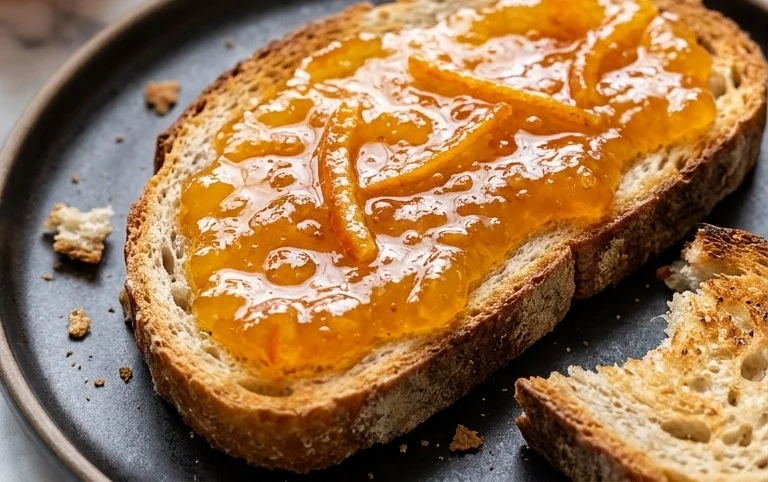
This Mandarin Orange Marmalade with its hint of cranberry is a wonderfully bright way to preserve the taste of citrus. It’s not just for toast; spread it on muffins, swirl it into oatmeal, or use it as a glaze for beef or chicken. The combination of sweet mandarins, tart lemon, and chewy cranberries creates a unique and delightful spread. I love having a jar of this on hand to brighten up even the dreariest mornings. Making your own marmalade is incredibly rewarding, and this recipe is a great starting point. If you want to experiment, try adding a pinch of ginger or a splash of Grand Marnier Extract for an adult twist. For a different citrus profile, you could swap the mandarins for clementines or tangerines. Keep your finished marmalade stored in a clean jar in the refrigerator for up to a month.
Frequently Asked Questions
Why is my marmalade not setting?
Marmalade needs sufficient pectin to set. While citrus rinds and pith contain pectin, sometimes it’s not enough. Cooking the mixture longer to evaporate more water and concentrate the sugar will help. Ensure you’ve used enough sugar, as it plays a role in setting.
Can I use regular oranges instead of mandarins?
Yes, you can. However, regular oranges have thicker peels and more seeds, so you’ll need to adjust the preparation. You might also get a slightly less sweet and more bitter flavor depending on the orange variety.
How do I store the marmalade?
Once cooled, transfer the marmalade to sterilized jars and store them in the refrigerator. It should keep well for about 3-4 weeks. For longer storage, you can process the jars in a boiling water bath for proper canning.
Mandarin Orange Marmalade with Cranberry Zest
A vibrant and tangy marmalade bursting with the citrus notes of mandarin oranges and a hint of tartness from dried cranberries.
Ingredients
-
{‘@type’: ‘HowToIngredient’, ‘name’: ‘Halo mandarin oranges’, ‘text’: ‘3 Halo mandarin oranges’, ‘amount’: {‘@type’: ‘QuantitativeValue’, ‘value’: 3, ‘unitCode’: ‘unit’}}
-
{‘@type’: ‘HowToIngredient’, ‘name’: ‘Meyer lemon’, ‘text’: ‘1 Meyer lemon’, ‘amount’: {‘@type’: ‘QuantitativeValue’, ‘value’: 1, ‘unitCode’: ‘unit’}}
-
{‘@type’: ‘HowToIngredient’, ‘name’: ‘Water’, ‘text’: ‘1 cup of water’, ‘amount’: {‘@type’: ‘QuantitativeValue’, ‘value’: 1, ‘unitCode’: ‘cup’}}
-
{‘@type’: ‘HowToIngredient’, ‘name’: ‘Sugar’, ‘text’: ‘1 1/4 cups sugar’, ‘amount’: {‘@type’: ‘QuantitativeValue’, ‘value’: 1.25, ‘unitCode’: ‘cup’}}
-
{‘@type’: ‘HowToIngredient’, ‘name’: ‘Chopped dried cranberries’, ‘text’: ‘1/4 cup chopped dried cranberries’, ‘amount’: {‘@type’: ‘QuantitativeValue’, ‘value’: 0.25, ‘unitCode’: ‘cup’}}
Instructions
-
Step 1
Wash the mandarin oranges and lemon thoroughly. Grate the zest from both the mandarins and the lemon, avoiding the white pith. Finely chop the mandarin orange pulp and discard any seeds. -
Step 2
In a large, heavy-bottomed saucepan, combine the chopped mandarin pulp, lemon zest, mandarin zest, and water. Bring to a boil, then reduce heat and simmer for 30 minutes, stirring occasionally. -
Step 3
Add the sugar and chopped dried cranberries to the saucepan. Stir well to dissolve the sugar. -
Step 4
Increase the heat to medium-high and bring the mixture to a rolling boil, stirring constantly to prevent scorching. Cook for approximately 45 minutes to 1 hour, or until the marmalade reaches the setting point (a small drop on a cold plate should not spread). -
Step 5
Remove the saucepan from the heat. Skim off any foam that has formed on the surface. -
Step 6
Carefully ladle the hot marmalade into clean, sterilized jars, leaving about 1/4 inch headspace. Seal the jars tightly.
Important Information
Nutrition Facts (Per Serving)
It is important to consider this information as approximate and not to use it as definitive health advice.
Allergy Information
Please check ingredients for potential allergens and consult a health professional if in doubt.



Leave a Comment