

Earl Grey shortbread cookies are a sophisticated treat that feels special without being complicated. The aroma of bergamot from the tea leaves fills your kitchen as they bake, promising a buttery, crumbly cookie that melts in your mouth. I love making these when I want something a little elegant to go with my afternoon tea, or even just as a refined biscuit to enjoy with a coffee. They are perfect for gifting, too, especially if you package them in a nice tin. The subtle floral and citrus notes from the Earl Grey tea infuse the classic buttery shortbread dough, making each bite more interesting than your average cookie. This Earl Grey shortbread recipe is straightforward, relying on good quality ingredients and a few simple techniques to achieve that signature crumbly texture. If you’re a fan of Earl Grey tea, you’ll adore these cookies.
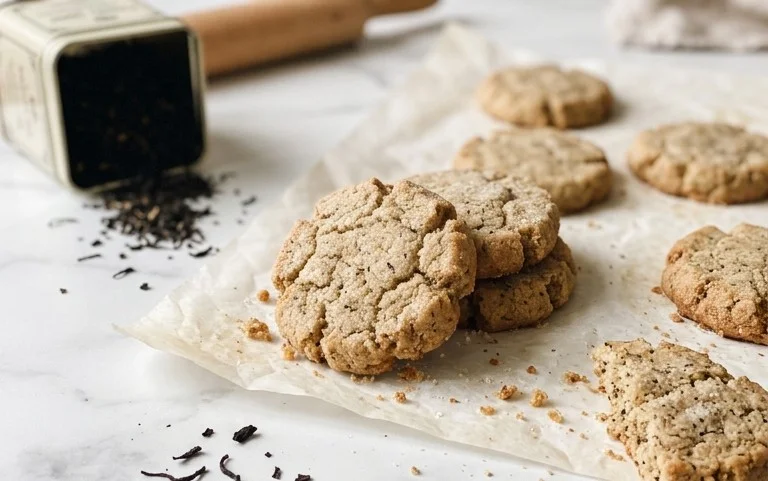
Earl Grey Shortbread Cookies
These Earl Grey shortbread cookies are incredibly simple, and the addition of tea leaves gives them a subtle, sophisticated flavour that pairs beautifully with a cup of tea. The aroma while they’re baking is just wonderful. They are crumbly in the best possible way, with a buttery richness that melts in your mouth. I like to make these when I want a treat that feels a little bit special without a lot of fuss.
Ingredients:
- 10 1/2 tbsp butter (unsalted and room temperature)
- 1/2 cup icing sugar
- 1 tsp Earl Grey Extract (or vanilla extract for a creamy shortbread)
- 1 1/2 cup all-purpose flour
- 1/2 tsp sea salt (fine)
- 2 tsp Earl Grey leaves (fine)
Making the Dough
The first step is to make sure your butter is properly at room temperature. This means it should be soft enough to press your finger into it easily, but not so soft that it’s greasy or melting. This is key for creaming the butter and sugar together properly, which creates the light texture of the shortbread. If your butter is too cold, it will be hard to incorporate, and if it’s too warm, your dough can become oily. Cream the softened butter and icing sugar together in a medium-sized bowl. You can use a stand mixer with a paddle attachment or an electric hand mixer for this. Beat them on medium speed until the mixture is pale and fluffy. This usually takes about 3-5 minutes. Scrape down the sides of the bowl a couple of times to ensure everything is evenly mixed.
Next, add the Earl Grey extract. If you’re using Earl Grey extract, it will give a more pronounced tea flavour. If you can’t find it, or prefer a classic, buttery shortbread with just a hint of Earl Grey aroma, vanilla extract is a good substitute. Mix this in until it’s fully combined with the butter and sugar mixture. In a separate, smaller bowl, whisk together the all-purpose flour, fine sea salt, and the finely ground Earl Grey tea leaves. Using fine tea leaves is important here; if they are too coarse, you might end up with little bits of tea leaf in your cookies that could be unpleasant. You can grind them in a spice grinder or a clean coffee grinder until they are almost powder-like. The salt helps to balance the sweetness and enhance the other flavours.
Now, gradually add the dry ingredients to the wet ingredients. Add about a third of the flour mixture to the butter mixture and mix on low speed until just combined. Then add another third, mix again, and finally add the last third. Be careful not to overmix the dough at this stage. Overmixing can develop the gluten in the flour, which can lead to tough shortbread instead of tender, crumbly ones. The dough will start to come together, looking a bit crumbly still. Once all the flour is incorporated, gently bring the dough together with your hands in the bowl until it forms a cohesive mass. It should be soft but not sticky.
Shaping and Chilling
Turn the dough out onto a lightly floured surface. Gently knead it just a couple of times to bring it together into a smooth disc. You can shape your shortbread in a few ways. For classic rounds, gently pat the dough out into a circle about 1/2 inch thick. Then, use a round cutter to cut out your cookies. Alternatively, you can roll the dough into a log, about 1.5 to 2 inches in diameter, wrap it in parchment paper, and chill it in the refrigerator. Once chilled, you can slice the log into 1/2 inch thick rounds. This method is great for making uniform cookies.
Whichever shape you choose, it’s really important to chill the dough. Wrap the shaped dough or the log tightly in plastic wrap and refrigerate for at least 30 minutes, or up to 2 days. Chilling firms up the butter, which helps the cookies hold their shape during baking and prevents them from spreading too much. This leads to that lovely, crisp texture shortbread is known for. If you’re cutting out rounds, you can place them on a parchment-lined baking sheet before chilling, or chill the whole log and then slice. If you bake them without chilling, they tend to spread out and lose their defined edges.
Baking the Shortbread
When you’re ready to bake, preheat your oven to 325 degrees Fahrenheit (160 degrees Celsius). If you haven’t already, arrange your shortbread cookies on a baking sheet lined with parchment paper. Leave a little space between them, though they won’t spread much if chilled properly. Bake for 18-25 minutes, depending on the size and thickness of your cookies. They should be lightly golden around the edges and slightly firm to the touch. The colour is important; you don’t want them to be too brown, as that can make them bitter. They will continue to firm up as they cool.
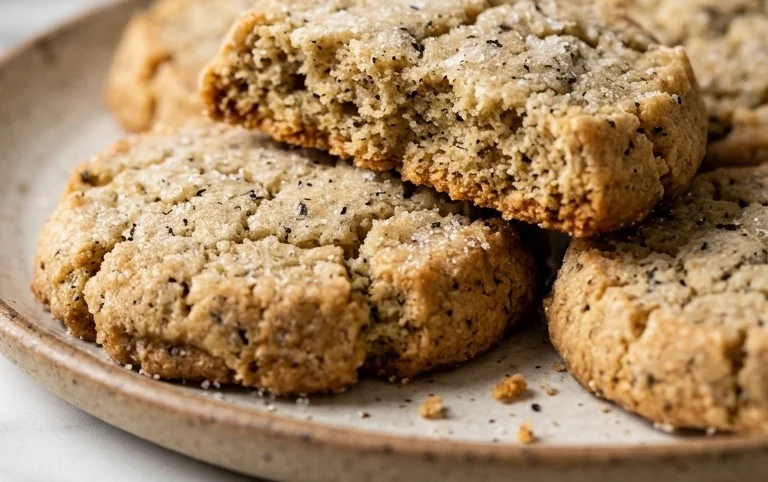
Once baked, carefully remove the baking sheet from the oven. Let the shortbread sit on the baking sheet for about 5-10 minutes. This is another crucial step for shortbread. They are very fragile when hot, so letting them cool on the baking sheet allows them to set and become firm enough to move. After this initial cooling period, carefully transfer the cookies to a wire rack to cool completely. As they cool, they will develop their signature crumbly texture. Once completely cool, you can store them in an airtight container at room temperature for up to a week. They are wonderful on their own, or served with a cup of your favourite tea.
Conclusion:
These Earl Grey shortbread cookies are a delightful way to bring a touch of elegance to your baking. They offer that satisfyingly crumbly, buttery texture everyone loves in shortbread, with the added sophisticated hint of bergamot that makes them truly stand out. They are wonderfully simple to make, making them perfect for any occasion, whether you’re hosting a tea party, looking for a thoughtful homemade gift, or simply want a special treat for yourself. Enjoy them with a cup of your favorite tea or coffee – the pairing is just wonderful.
For serving, they are excellent on their own, but you could also dip half of each cookie in melted dark chocolate for an extra layer of flavor and texture. If you want to get creative, try adding a little lemon zest to the dough for an extra citrusy note. Storage is simple: keep them in an airtight container at room temperature for up to a week to maintain their crumbly freshness.
Frequently Asked Questions:
Can I use loose leaf Earl Grey tea instead of fine leaves?
Yes, you can. Just make sure to grind the loose leaves very finely, perhaps in a spice grinder or a clean coffee grinder, before adding them to the dough. This ensures they distribute evenly and don’t create large, hard bits in the cookie.
What if I don’t have Earl Grey extract?
If you can’t find Earl Grey extract, you can use good quality vanilla extract instead. For an extra Earl Grey flavor punch, you can also increase the amount of finely ground Earl Grey tea leaves slightly, perhaps to 2.5 teaspoons.
Earl Grey Shortbread Cookies
Delicate and buttery shortbread infused with the aromatic essence of Earl Grey tea.
Ingredients
-
10 1/2 tbsp butter (unsalted and room temperature)
-
1/2 cup icing sugar
-
1 tsp Earl Grey Extract
-
1 1/2 cup all-purpose flour
-
1/2 tsp sea salt (fine)
-
2 tsp Earl Grey leaves (fine)
Instructions
-
Step 1
Cream together the softened butter and icing sugar until light and fluffy. -
Step 2
Beat in the Earl Grey extract. -
Step 3
In a separate bowl, whisk together the all-purpose flour, sea salt, and fine Earl Grey leaves. -
Step 4
Gradually add the dry ingredients to the wet ingredients, mixing until just combined and a dough forms. -
Step 5
Roll out the dough on a lightly floured surface to about 1/2 inch thickness and cut into desired shapes. -
Step 6
Place cookies on a baking sheet lined with parchment paper and bake at 325°F (160°C) for 20-25 minutes, or until edges are lightly golden. -
Step 7
Let cool on the baking sheet for a few minutes before transferring to a wire rack to cool completely.
Important Information
Nutrition Facts (Per Serving)
It is important to consider this information as approximate and not to use it as definitive health advice.
Allergy Information
Please check ingredients for potential allergens and consult a health professional if in doubt.


Leave a Comment